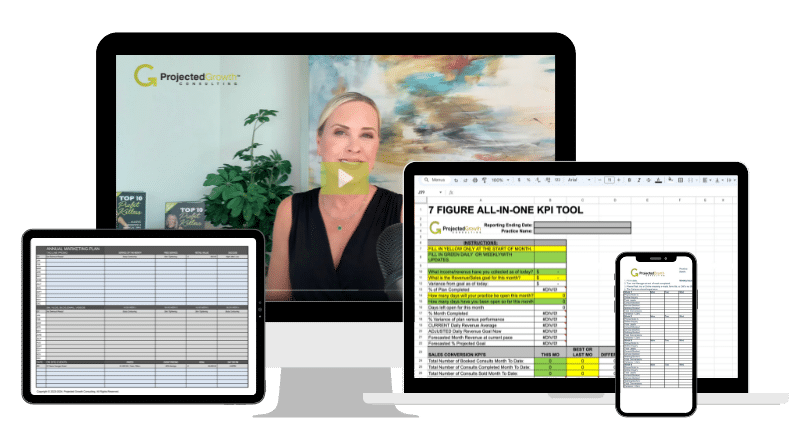
You can have the best clinical skills and the latest technology, but if your daily processes are messy, your practice will struggle to be profitable. Hidden costs from wasted supplies, scheduling gaps, and inefficient team workflows can silently drain your revenue. This is why focusing on your aesthetic clinic operations is the most direct path to a healthier bottom line. It’s about creating a business engine that is as refined as your treatments. By implementing smart systems, you can uncover and fix the profit leaks you might not even know you have. This guide provides a practical roadmap to help you analyze your current operations, identify opportunities for improvement, and make data-driven decisions. We’ll show you how to start tracking the right numbers with a simple KPI tracking tool to gain the financial clarity needed to drive real, sustainable growth.
Aesthetic clinic operations are the engine of your practice. They are the collection of daily systems and processes that dictate how your business runs, how your team performs, and how your patients feel. When operations are messy, the practice feels chaotic and reactive. When they are strong, the business runs smoothly, predictably, and profitably, even when you aren’t there.
Think of your clinic’s operations as the essential daily functions that keep the doors open and patients happy. This includes everything from how you manage patient scheduling and follow-ups to how you handle financials and team management. It’s not just about the individual tasks; it’s about the systems you build to make those tasks repeatable and efficient. A well-run clinic has clear procedures for patient intake, consistent communication standards, and a supportive team that understands the business goals. Getting these fundamentals right from the start is the focus of any good business startup program because they form the foundation for all future growth.
Strong operations are the most direct path to a healthier bottom line. When your clinic runs efficiently, you reduce waste in your schedule, inventory, and marketing spend. A seamless patient experience, which is a direct result of good operations, is also your best retention tool. It’s far more profitable to keep your current patients happy than to constantly chase new ones. This operational excellence is what separates practices that struggle from those that achieve significant profitability. By creating strong systems, you can gain better visibility into your numbers and make smarter decisions that directly improve your practice’s financial health.
A great aesthetic clinic manager is the operational backbone of your practice. This role goes far beyond typical administrative duties; they are the person who ensures the entire business runs like a well-oiled machine, allowing you and your clinical team to focus on delivering exceptional patient care. Think of them as the conductor of an orchestra. They aren’t playing an instrument, but they are making sure everyone plays their part perfectly, from the front desk to the treatment room.
When a clinic manager is effective, the entire practice feels it. Patient flow is smooth, the team is happy and productive, and financial goals are consistently met. They are responsible for translating your vision as the owner into day-to-day reality. This involves overseeing daily operations, managing the clinic’s financial health, ensuring every aspect of the practice is compliant with regulations, and mastering the complex world of inventory. A strong manager doesn’t just handle tasks; they implement and refine the business systems that allow your practice to grow sustainably. Without this role filled by a capable leader, clinic owners often find themselves trapped in the weeds, managing daily fires instead of working on the high-level strategy needed for real growth. They are the key to breaking free from owner dependency and building a practice that can scale.
A clinic manager is the director of the daily show. They are responsible for everything that happens from the moment the doors open until they close. This includes creating staff schedules to ensure optimal coverage, managing patient appointments to minimize wait times, and acting as the point person for any client concerns or complaints. They also ensure the physical environment of the clinic is always pristine and welcoming, reflecting the high standards of your brand. By handling these essential functions, a manager frees up practitioners to focus entirely on their clients. This operational oversight is crucial for building a team that can function effectively, and a great manager knows how to hire the right people to make it happen.
The clinic manager is your first line of defense for profitability. Their primary goal is to ensure the practice operates efficiently and maintains strong financial health. This involves creating and managing the annual budget, tracking daily sales, monitoring expenses, and processing payroll. More importantly, they are responsible for generating key financial reports that give you a clear picture of the business’s performance. This data is what allows you to make informed decisions about everything from marketing spend to staffing. A skilled manager uses a KPI tracking tool to spot trends, identify profit leaks, and find opportunities for growth, turning financial data into actionable business intelligence.
In the aesthetics industry, compliance isn’t just a suggestion; it’s a requirement that protects your business, your staff, and your patients. The clinic manager is in charge of this critical area. They ensure that all medical licenses and business registrations are current and that the practice adheres to all local and national health regulations. This also includes overseeing patient documentation to ensure it meets privacy standards, like HIPAA in the United States. By meticulously managing compliance, your manager shields the practice from potentially devastating legal issues and fines, giving you the peace of mind to focus on growth. This is a foundational part of any successful clinic startup.
Inventory can be one of the biggest expenses for a medspa, and managing it well is essential for healthy profit margins. A clinic manager oversees the entire supply chain, from ordering products to tracking stock levels. This is especially important for high-cost items like injectables and professional-grade skincare. Poor inventory management can lead to wasted capital on expired products or lost revenue from being unable to perform a popular service. An effective manager implements a system to monitor inventory closely, negotiate with suppliers for better pricing, and ensure you always have what you need without tying up too much cash. This discipline is a key part of the MedSpa Growth Accelerator strategy for improving profitability.
Your team is the heart of your clinic’s operations. They deliver the treatments, manage the patient experience, and ultimately, drive your revenue. But a great team doesn’t happen by accident. It’s built intentionally through smart hiring, consistent training, and strong leadership. When you invest in your people, you’re not just filling roles; you’re building a resilient, high-performing engine that can power your practice’s growth for years to come. A team that feels supported and aligned with your vision will always go the extra mile for your patients and your business.
Building a strong team starts with getting the right people on board. This means looking beyond just a resume and hiring for both skill and cultural fit. Your team members should share your clinic’s values and have a clear understanding of your business goals. When everyone is pulling in the same direction, the entire practice runs more smoothly. We recommend creating a clear hiring process with defined roles and scorecards to avoid costly mistakes. An organized approach like our Aesthetics New Hire HR Success Kit helps you clarify standards and make better decisions, ensuring each new hire adds to your clinic’s strength and cohesion.
Hiring great people is just the first step; continuous training is what keeps them great. This applies to everyone, from your clinical providers to your front desk staff. Ongoing education not only sharpens their skills but also improves motivation and ensures they can provide a safe, effective, and exceptional patient experience. You can empower your team to strengthen their consultation and closing skills, which directly impacts your bottom line. When your team feels confident and competent, they are better equipped to handle challenges, sell with integrity, and contribute to the clinic’s overall success.
High turnover can cripple a practice, draining resources and disrupting the patient experience. The key to retention is effective management. A great manager runs the clinic efficiently, creating an environment where providers and staff can focus on doing their best work. This involves setting clear expectations, providing regular feedback, and giving your team the autonomy they need to succeed. When you invest in your own leadership abilities, you can become a stronger operator who delegates effectively and builds a business that does not rely on you for every single decision. This leadership is what turns a group of employees into a high-performing team.
Are you the biggest bottleneck in your business? It’s a common problem for driven founders. When you try to manage every detail, from marketing to inventory to patient follow-ups, tasks inevitably get missed. These small gaps can quickly add up, hurting your clinic’s efficiency and damaging the patient experience. This is often a sign of a leadership gap. To truly scale, you have to build systems and delegate responsibilities. If you find yourself constantly putting out fires, it might be time to seek one-on-one coaching to help you transition from practitioner to CEO and build a practice that can thrive without your constant intervention.
As a practice owner, your time is your most valuable asset. Yet, it’s easy to get pulled into the weeds of administrative tasks, from managing appointments to tracking down patient files. The right technology isn’t just a modern convenience; it’s a strategic tool that allows you to reclaim your time and focus on what truly drives growth: patient care and business development. Integrating smart systems into your clinic operations is like hiring a team of hyper-efficient assistants who work around the clock.
By automating repetitive tasks, you reduce the chance of human error, create smoother workflows, and free up your staff to deliver the high-touch, personal experience that turns new patients into loyal advocates. From scheduling and patient communication to financial tracking, technology provides the backbone for a more streamlined, profitable, and scalable practice. It gives you the data you need to make informed decisions and the operational leverage to execute them with confidence. Let’s look at four key areas where technology can make an immediate impact.
If you’re still relying on paper appointment books or a patchwork of digital calendars, you’re creating unnecessary work for your team. Modern clinic management software is designed to centralize your entire scheduling process. A single system can bring all your essential tasks together, from booking and confirming appointments to managing patient records and treatment histories. This consolidation dramatically reduces the administrative burden on your front desk. Instead of spending hours on the phone or manually entering data, your team can manage the schedule with a few clicks. This not only minimizes booking errors but also ensures that your patient information is always accurate and easily accessible, creating a more seamless experience for everyone.
The biggest benefit of operational efficiency is that it frees up time for human connection. When your team isn’t buried in paperwork, they can focus on building genuine relationships with your patients. Technology can support this by acting as your clinic’s memory. A good software system tracks patient preferences, treatment history, and past conversations, allowing you to personalize every interaction. Imagine sending a follow-up text that references a product they were interested in or a birthday message with a special offer. This level of personal attention makes patients feel seen and valued, which is essential for improving your consultation and conversion process and fostering long-term loyalty.
Your front desk is the first and last impression a patient has of your clinic, but your team is often stretched thin. This is where artificial intelligence can be a game-changer. You can now use AI-powered tools to handle many of the routine tasks that occupy your front desk staff. An AI receptionist can answer frequently asked questions, book appointments, and send automated reminders via text or email, 24/7. This ensures your patients get immediate responses while freeing up your human team to provide a warm, welcoming, and attentive experience for the people standing right in front of them. It’s the perfect blend of high-tech efficiency and high-touch care.
You can’t grow what you don’t measure. Running a successful practice requires a clear understanding of your financial health, but manually calculating your Key Performance Indicators (KPIs) is tedious and prone to error. Technology gives you the financial clarity you need to lead with confidence. The right software can automatically track critical metrics like revenue per provider, patient acquisition cost, and client retention rates. With this data at your fingertips, you can spot trends, identify profit leaks, and make strategic decisions based on facts, not feelings. Knowing your numbers is the first step toward building a practice with the potential for seven-figure profitability, and a great KPI tracking tool makes it simple.
In the aesthetics industry, a positive patient experience is your most powerful marketing tool. While a great treatment is essential, the entire journey surrounding it is what builds true loyalty and turns happy patients into vocal advocates for your practice. When patients feel seen, heard, and cared for at every step, they not only return but also bring their friends.
Focusing on the patient experience isn’t just about good service; it’s a core operational strategy. A well-designed experience reduces friction, increases case acceptance, and drives long-term retention. It transforms your clinic from a simple service provider into a trusted partner in your patients’ aesthetic goals.
A truly exceptional experience feels effortless for the patient, but it requires careful planning behind the scenes. Your goal is to map out and refine every single touchpoint, from the moment a potential patient discovers your clinic to their post-treatment follow-up and beyond. This means having clear, standardized steps for everything: how your front desk answers the phone, what happens during check-in, and how pre- and post-care instructions are delivered. When you design a clear patient journey, you create a predictable and professional environment that builds trust and eases patient anxiety from the very first interaction. This consistency ensures every patient receives the same high standard of care, no matter who they interact with on your team.
The consultation is arguably the most critical part of the patient journey. This is where trust is solidified and decisions are made. A rushed or disorganized consultation can make a patient feel like just another number, while a thoughtful one makes them feel understood and confident in your expertise. Remember, a bad experience will be shared far more widely than a good one. It’s vital to strengthen your consultation process with a structured approach that focuses on listening to the patient’s goals and educating them on their options. This isn’t about a hard sell; it’s about building a partnership. When your team can confidently and consistently lead these conversations, you’ll see conversion rates improve naturally.
You can’t fix what you don’t know is broken. Actively seeking out and listening to patient feedback is one of the fastest ways to improve your operations. This goes beyond just monitoring online reviews. Implement a simple system to ask for feedback, whether it’s a short text survey after an appointment or a personal follow-up call from a patient care coordinator. Providing excellent aftercare, including clear instructions and an emergency contact number, shows you care about their well-being beyond the treatment room. Use this feedback to track key performance indicators related to patient satisfaction. This data will give you direct insight into what’s working and what needs immediate attention.
Retaining a loyal patient is far more profitable than constantly acquiring new ones. Membership programs are one of the most effective strategies for driving that retention. A well-designed membership shifts the patient relationship from transactional to relational, making them feel like a valued part of an exclusive community. It also creates a predictable, recurring revenue stream for your clinic, which smooths out the financial ups and downs that many practices face. To build a successful membership program, focus on providing real value that encourages patients to commit to their treatment plans and your practice for the long term. This is how you create a stable foundation for scalable growth.
If your marketing feels like a constant scramble to figure out what to post or which special to run this month, you’re likely stuck in a reactive cycle. This approach, driven by day-to-day pressures rather than a long-term strategy, creates inconsistent results and makes it nearly impossible to scale. Shifting to a proactive marketing system is one of the most powerful operational changes you can make. It means moving from guessing to planning, from hoping for new patients to building a predictable pipeline of them.
A proactive strategy involves creating a structured plan that aligns your marketing efforts with your revenue goals. Instead of just chasing engagement, you build campaigns designed to attract your ideal client and guide them toward booking an appointment. This gives you control over your lead flow and allows you to make smarter decisions based on what’s actually working. With a clear plan, you can build a marketing engine that runs smoothly, freeing you up to focus on other critical areas of your practice. Our Social Media for the Elective Industry Course is designed to help you build this exact kind of system.
Reactive marketing often leads to a cycle of frantic activity without meaningful progress. When you’re constantly reacting to a slow week by throwing out a last-minute discount, you risk undermining your brand’s premium positioning. Deep discounts might fill your schedule temporarily, but they can also attract price-shoppers instead of loyal, high-value patients. This approach creates a brand image that feels inconsistent and can confuse potential clients. It also makes your revenue unpredictable, as you become dependent on short-term promotions rather than a steady stream of qualified leads. This constant up-and-down makes it incredibly difficult to forecast your finances, manage inventory, or plan for future growth.
The antidote to reactive marketing is a well-defined annual plan. Start by outlining your key promotions, campaigns, and events for the next 12 months. Align these activities with your seasonal trends and revenue targets. For example, you might plan a series of laser treatments in the fall and a body contouring campaign leading into summer. Deciding on your marketing budget ahead of time allows you to allocate funds effectively and track your return on investment. This structured approach, which we teach in our Annual Marketing Blitz course, stops the month-to-month scramble and gives you a clear, predictable roadmap for generating revenue all year long.
Likes and comments are nice, but they don’t pay the bills. The goal of your social media presence should be to convert followers into actual patients. To do this, you need a consistent content strategy that educates, builds trust, and includes clear calls-to-action. Instead of just posting pretty pictures, create content that answers common patient questions, showcases your expertise, and highlights real results. Every post should guide your audience toward a next step, whether it’s booking a consultation, visiting your website, or joining your email list. This turns your social media from a passive branding tool into an active lead-generation machine.
While social media is great for reaching a broad audience, email and text marketing give you a direct line to your most engaged prospects and existing patients. These channels are perfect for nurturing relationships and driving immediate action. You can use email to share in-depth educational content and exclusive offers with your subscribers. Text messaging is ideal for sending appointment reminders, last-minute availability alerts, and time-sensitive promotions. By building a strong list and using direct communication, you create a powerful response channel that can drive bookings and fill your schedule on demand.
Your marketing is often the first interaction a potential patient has with your clinic, so it must accurately reflect your brand. Because aesthetics deals with personal and sensitive decisions, building trust is essential. Every ad, social media post, and email you send should be consistent in its tone, style, and message. If you position yourself as a luxury, high-end clinic, your marketing should feel exclusive and sophisticated. If your brand is more about accessibility and education, your content should be friendly and informative. A clear brand identity makes you memorable and helps you attract patients who are the right fit for your practice.
Every growing clinic hits a few bumps in the road. These challenges are not signs of failure; they are signs of growth. The key is to recognize them and build the systems to solve them before they slow you down. From unpredictable revenue streams to feeling like you are the only one holding it all together, these common hurdles are completely manageable. Let’s walk through the four biggest challenges we see and the practical steps you can take to overcome them for good.
Rollercoaster revenue is one of the most stressful parts of running a practice. One month you are soaring, and the next you are wondering where the clients went. While the aesthetics market is expanding, relying on walk-ins or last-minute promotions creates instability. The solution is to build predictable, recurring income streams. This means shifting from a reactive mindset to a proactive one by implementing a structured marketing plan and a compelling membership program. When you create systems that generate consistent cash flow, you can make smarter decisions about hiring, expansion, and investing back into your practice. Our MedSpa Growth Accelerator is designed to help you build these exact systems.
Are you manually tracking Botox vials or scrambling to remember when to reorder fillers? Poor inventory management is a silent profit killer. It leads to wasted products, last-minute rush orders, and even canceled appointments, which directly hurts your patient experience. When your team does not have a clear system for tracking supplies or managing patient follow-ups, critical tasks fall through the cracks. To fix this, you need a centralized system that gives you full visibility. A clear KPI tracking tool can help you monitor inventory levels, track product usage per treatment, and forecast future needs, turning chaos into control and protecting your bottom line.
If every decision, question, and problem lands on your desk, you have become the bottleneck in your own business. This is incredibly common for passionate founders, but it is the single biggest barrier to scaling. You cannot grow if you are stuck managing the day-to-day details. The only way to break free is to build systems and delegate. This means creating clear standard operating procedures, defining roles for your team, and empowering them to make decisions without you. A practice manager or a well-trained lead aesthetician can handle daily operations, freeing you up to focus on high-level strategy. This transition from operator to CEO is a core focus of our Executive Coaching program.
Growth is exciting, but many owners worry that getting bigger means sacrificing the quality and personal touch that made them successful. This fear is valid if you try to scale without a strong foundation. True scalability comes from having a reliable team and repeatable systems that ensure every patient receives the same high standard of care, whether you have one location or five. It starts with hiring people who share your vision and values. By providing them with excellent training and clear goals, you create a culture of accountability. Our Aesthetics New Hire HR Success Kit gives you the tools to build a team that can confidently carry your brand forward as you grow.
Leading your practice on instinct alone can only get you so far. To build a truly scalable and profitable business, you need to move from guessing to knowing. This is where Key Performance Indicators (KPIs) come in. But it’s not about drowning in spreadsheets or tracking every single number you can find. It’s about identifying the few vital metrics that give you a clear picture of your clinic’s health and show you exactly where to focus your energy. When you track the right data, you can spot opportunities, fix problems before they grow, and make confident decisions that drive real growth.
Not all revenue is created equal. Your first step is to figure out which services, providers, and activities are actually driving the most profit. For example, you might find that treatments performed by a doctor bring in nearly double the revenue per hour compared to those done by a nurse. When you track revenue per service or per provider, you stop treating all your offerings the same. This clarity allows you to strategically focus your marketing on high-value treatments and optimize your schedule to maximize your most profitable resources. A simple KPI tracking tool can help you get this visibility without getting lost in complex calculations.
Your financial data doesn’t just show you what you’re earning; it also reveals where you’re losing money. Small inefficiencies can add up to significant losses over time. In fact, for many clinics, saving just 1% on costs can add tens of thousands of dollars directly to the bottom line each year. Start by examining your biggest expenses. Are you over-ordering supplies? Could you negotiate better rates with your vendors? Tracking your cost of goods and other key expenses helps you find these profit leaks so you can patch them. Think of it as a treasure hunt for money that’s already in your business.
Data is only useful when you use it to make better decisions. Understanding your clinic’s financial realities, like the significant cash required for a startup or expansion, is crucial for smart planning. These insights guide your most important strategic moves. Your numbers will tell you when you have the cash flow to hire a new team member, invest in that new laser, or launch a major marketing campaign. When you have a firm grasp on your financial KPIs, you can build a stronger business foundation and create a clear roadmap for the future, ensuring every big decision is backed by facts, not just hope.
Thinking about your practice’s long-term value comes down to two ideas: scalability and sellability. A scalable practice can grow without chaos, and a sellable one runs on strong systems, not just your personal effort. Whether you plan to sell soon or far in the future, building a business with these qualities makes it more profitable and stable today. Here’s where to focus your energy to build real, lasting value.
A potential buyer isn’t just purchasing your client list; they’re buying your operational engine. The more documented and efficient that engine is, the higher your practice’s value. Create clear systems for everything from how the phone is answered to how inventory is managed. Integrating operations into a single software for appointments and billing also creates immense value. When you can hand someone a playbook showing how your clinic generates revenue, you’re selling a true business asset. A great first step is implementing a KPI tracking tool to get a clear, data-driven view of your operations.
Your clinic doesn’t operate in a vacuum. The aesthetics market is growing fast, and you need to know where you fit in. Benchmarking your clinic against the competition helps you find strategic opportunities. Are other local clinics overlooking a specific demographic? Is there a gap in service offerings? Understanding the market allows you to make smarter decisions about your brand and services, positioning your practice as a leader. This strategic edge is highly attractive to buyers who want a business with a clear competitive advantage, not just another clinic.
If your clinic can’t run without you, you don’t have a sellable business; you have a high-stress job. The goal is to build a practice that operates smoothly whether you’re there or not. This starts with hiring a reliable team and empowering them to take ownership. Delegate responsibilities, document processes, and train your staff to handle daily operations. When you shift from being the primary doer to the strategic leader, you remove yourself as the bottleneck. This proves to a buyer that the clinic’s success is tied to its systems, not just its founder. Using an HR success kit can help you hire the right people to make this happen.
After reviewing all the moving parts of a successful practice, it’s easy to feel overwhelmed. The good news is you don’t have to fix everything at once. The secret to meaningful change is choosing one area, creating a small win, and building momentum from there. Instead of trying to overhaul your entire business, focus on a single, high-impact starting point that will give you the most clarity.
First, get a clear picture of what’s actually happening in your business. You can’t improve what you don’t measure. Before you invest in new software or staff, start by building a simple KPI dashboard to track your revenue, patient volume, and most popular treatments. This data will move you from making decisions based on gut feelings to making them based on facts, revealing exactly where your time and resources should go first.
Next, walk through your clinic’s experience from a patient’s perspective. Call your own front desk, fill out your intake forms, and sit in your waiting room. How does it feel? A well-defined patient journey is critical for retention. Mapping out every step from the initial inquiry to post-treatment follow-up will quickly show you where friction exists. Once you identify those sticking points, you can work to perfect your consultation process and create an experience that feels seamless and supportive.
Finally, remember that your team is your greatest source of on-the-ground intelligence. They know which administrative tasks are wasting time and which systems are causing frustration for them and for patients. Ask them for their input. When you’re ready to take a more comprehensive approach, a structured growth system can provide the framework you need to scale your operations effectively. The key is to start small, gather data, and build from a place of clarity.
I feel like I need to fix everything at once. Where is the best place to start? It’s completely normal to feel that way, but you don’t have to overhaul your entire practice overnight. The best first step is to get a clear diagnosis. Before you change anything, start by tracking a few key numbers, like your revenue per treatment and your patient retention rate. This data will act like a compass, pointing you directly to the biggest profit leak or opportunity in your clinic. Once you know the real problem, you can focus all your energy on solving that one thing first.
I can’t afford to hire a full-time clinic manager right now. What are my options? That’s a common situation, and the good news is you don’t need to hire a manager to start acting like one. The real value of a manager is the systems they run. You can begin by building those systems yourself. Start by documenting one key process, like how your team handles new patient inquiries. Then, delegate ownership of that specific system to a trusted team member. By building strong processes first, you make the role of a future manager much clearer and more effective.
What are the most important numbers (KPIs) I should track if I’m just starting? Don’t get lost in a sea of spreadsheets. If you’re just starting, focus on the three metrics that tell you the most about your clinic’s health. First, track your revenue per hour to see which services are most profitable. Second, calculate your patient acquisition cost to understand what you’re spending to get new clients. Third, monitor your patient retention rate, which shows you how well you’re building loyalty. These three numbers will give you a powerful snapshot of your business.
My patient experience seems okay, but how do I know for sure what needs improving? You can’t see the full picture from inside the frame. The best way to find out what needs work is to get objective feedback. Ask a friend to call your clinic and pretend to be a new patient, then have them report back on the experience. You can also implement a simple, one-question text survey that goes out after each appointment asking patients to rate their visit. This direct feedback is the fastest way to find and fix the small points of friction that can damage your reputation.
How do I start building a business that doesn’t completely depend on me? Breaking free from owner dependency starts with one small act of trust and delegation. Choose one recurring task that you do every single day or week, like posting on social media or checking inventory levels. Write down a simple, step-by-step guide on how you do it. Then, train one of your most reliable team members to take it over. This process of documenting and delegating, even for a small task, is the foundational skill for building a practice that can run without you.

Written by
Founder & CEO, Projected Growth Consulting
Kelly Smith is a med spa business consultant with 20+ years of industry experience and the founder of Projected Growth Consulting. A former 7-figure med spa owner, published author of 5 books, and international speaker, Kelly has helped 6,000+ practices generate over $250 million in additional revenue through proven growth strategies.