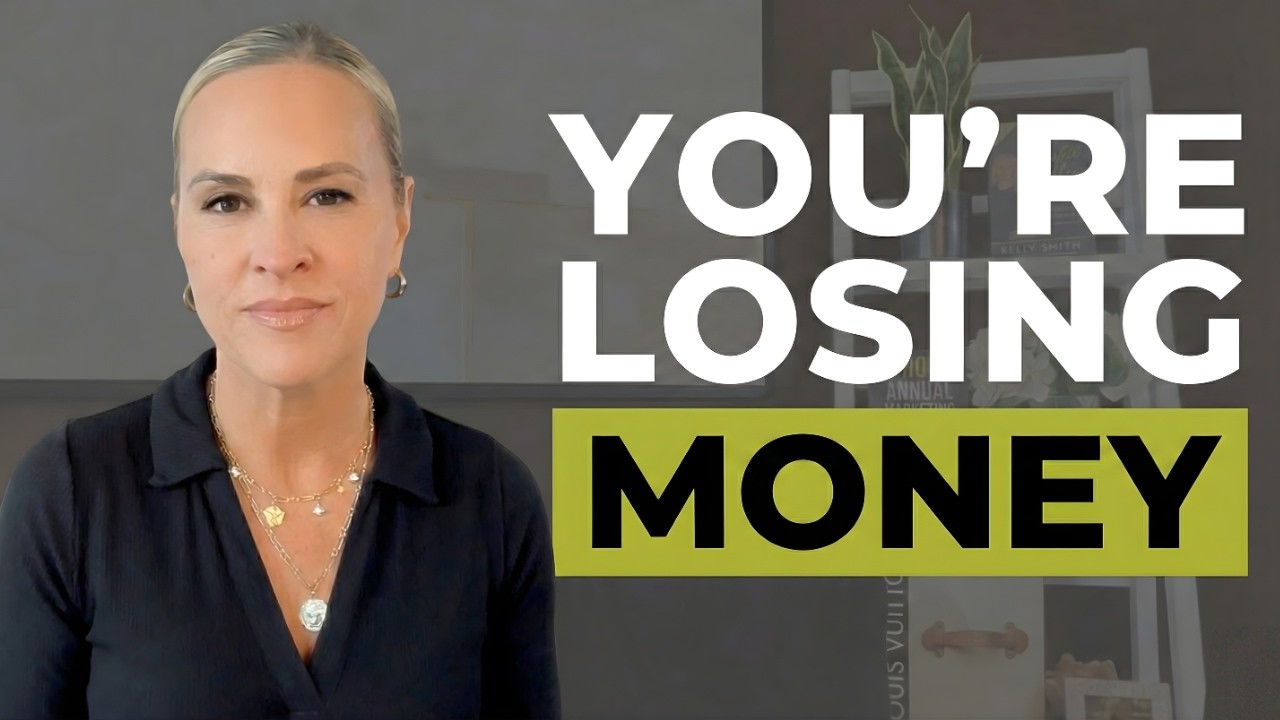
Successful med spa loyalty programs move beyond simple discounts, which often result in lost margins, to focus on psychological triggers that drive genuine behavior change. By implementing a structured framework, practices can increase both retention and per-client revenue without devaluing their services.
Most med spas are trapped in a cycle of margin-eroding discounts that attract bargain hunters instead of building long-term advocates. If you are tired of devaluing your services just to keep your books full, it is time to shift your focus toward loyalty programs that prioritize behavioral psychology over price cuts.
In my two decades of helping med spa owners scale, I’ve seen this mistake more than any other: treating your best clients like strangers while training them to wait for a coupon. It’s time to stop the leak in your revenue. Let’s walk through a proven framework designed to turn casual visitors into high-value, exclusive members.
Book a free strategy call with Kelly and let’s start turning those transactional visits into a sustainable, loyalty-based engine.
Most med spa loyalty programs struggle to provide value because they rely on stale, margin-eroding discounts. By offering recurring coupons or “10% off” deals, you are unintentionally branding your practice as a commodity. You are training your clients to wait for a sale rather than prioritizing their skin health.
This commoditization trap forces your business into a race to the bottom. You end up competing on price against the local day spa, rather than demonstrating your value as a clinical authority. True client retention strategies shouldn’t be about saving the client a few bucks; they should be about building emotional investment.
Pro tip: Calculate your “Discount Erosion Cost”—the real-dollar amount lost per year by relying on coupons versus your actual service costs. You will likely find that protecting your margins through access-based rewards creates significantly higher long-term profit than discount-heavy cycles.
Real loyalty is born from behavioral science, specifically the human desire for status and belonging. By implementing a multi-tier structure, you create psychological switch-over costs. It becomes mentally difficult for a client to leave your practice because they fear losing their status or the “insider” benefits they’ve earned.
Forget complicated point-tracking models—they’re basically math homework for your patients. Instead, focus on relational loyalty. Move their mindset from “how much money did I save?” to “how special do I feel here?” That is the secret to increasing patient lifetime value.
Bonus: Define your “VIP Identity.” Strategic naming—such as “The Inner Circle,” “Elite,” or “Icons” rather than generic Bronze/Silver labels—influences client pride. When a client feels like a part of an elite community, they are far more likely to stay committed to your clinic.
A successful program relies on a clear, three-tier architecture that incentivizes higher spending while remaining simple to manage. Your entry-level tier should be accessible to all, providing early access that pulls them deeper into your med spa marketing system.
Book a Call if you aren’t sure how to structure your thresholds. We’ve audited hundreds of P&Ls to find the “sweet spot” for tier triggers that drive growth without hurting your bottom line.
Your front desk team are the frontline architects of your growth strategy. Without proactive staff engagement, even the best loyalty program will gather digital dust. You must provide your team with scripts that frame loyalty as a tool for better clinical results.
Train them to use your software to identify the “gap.” A simple, consultative script like, “You are only $200 away from your next VIP-tier upgrade, which includes that complimentary medical facial you’ve been asking about,” shifts the narrative from a transaction to a value-added goal.
To ensure your strategy is working, pivot your KPIs away from total sign-up counts. Focus on behavioral metrics instead. You want to see a minimum 20% increase in visit frequency for members compared to those outside the program.
Monitor your “tier-migration rates” to see how many clients are reaching for that next level of spending. If your churn rate is high, your tiers aren’t providing enough perceived status to hold your clients against market competition.
Pro tip: Add a quarterly audit to your calendar. This ensures your service offerings, tier thresholds, and profit margins remain accurately aligned with your capacity and your annual growth targets.
Implementing a sophisticated, tier-based loyalty system can be technically complex, and operational friction often stalls even the most well-intentioned programs. Transitioning from price-sensitive service offerings to a high-equity, scalable business asset requires an objective eye on your internal workflows.
Projected Growth Consulting acts as the bridge between manual, error-prone operations and a scalable med spa marketing system. We’ve spent over two decades helping owners just like you stop guessing at retention and start building a bespoke, repeatable framework.
True profitability in the aesthetic industry is found by replacing margin-eroding discounts with status-driven rewards that foster genuine emotional investment. By shifting your focus toward exclusive access and clear, tiered growth pathways, you transform your client base from transactional bargain-hunters into brand advocates who value clinical excellence above all else.
The window to audit your current operations and elevate your patient lifetime value is closing. Don’t let your practice fall behind in the race for market leadership.
Book a free strategy call with Kelly Smith today and let’s start your transformation.