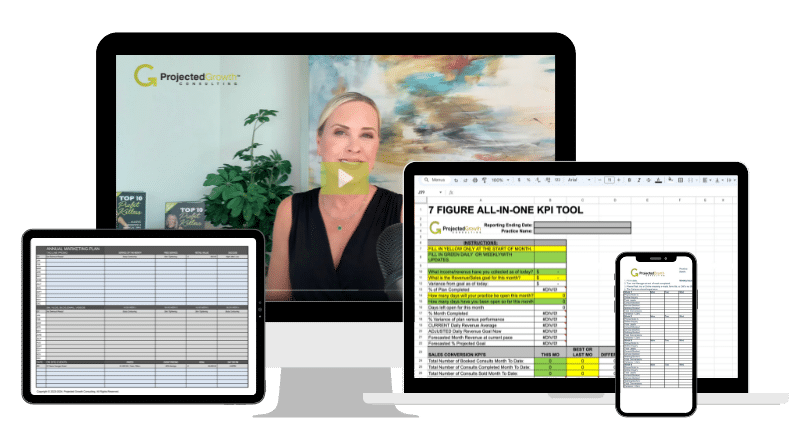
Opening a med spa without systems turns opening day into expensive guesswork. Your vendors, staffing model, and revenue plan must work before the first consultation is booked.
How to open a med spa starts with a compliant, legally sound business plan, not an equipment shopping list. Define state-specific ownership, medical oversight, treatment delegation, insurance, pricing, marketing, startup capital, and cash needs before signing a lease or buying devices. Then select vendors against demand forecasts, service margins, training support, and maintenance terms; hire qualified staff under state rules and written safety protocols. A published review of 63 medical spas found that 73% of injectable treatments were performed by nonphysicians, making staffing controls central to safe operations. Finally, build year-one systems for lead tracking, consultation conversion, memberships, rebooking, retention, and monthly profit review, so revenue is managed from launch.
Operators want to know which decisions must happen first, and which mistakes make year one harder to fund, staff, and grow. How to open a med spa with the right business foundation puts the critical decisions in order. The path begins with
Learning how to open a med spa starts with a business concept, not a lease or device quote. Define the patient you plan to serve and the problem your practice will address. Then choose an opening service mix that fits that patient, your clinical scope, and your budget.
A clear concept keeps early choices connected. It guides your location, staffing needs, patient journey, equipment plan, pricing, and marketing message. For founders who need a structured startup plan, the Business Startup Program can help connect those choices to day-to-day operations.
Build the financial model before signing a long lease or buying a full equipment package. Estimate startup costs, monthly fixed costs, supply costs, payroll, and expected revenue by service. Test a cautious case, a target case, and a slow-start case. Each version should show how much cash the business needs to operate.
Your numbers should also support a focused opening plan. A wide menu may require more training, equipment, supplies, consent forms, and follow-up steps. A smaller, well-planned menu can make scheduling and training easier while you learn what patients request and return for.
A med spa delivers medical care, so ownership and clinical rules belong in the launch plan. State rules can affect entity structure, supervision, delegation, medical director duties, and patient records. Review these issues with qualified legal and clinical advisors before buildout or hiring.
Oversight needs written processes, not assumptions. In a published study of medical spas, an on-site physician supervised or performed procedures at only 38.1% of surveyed facilities. That finding makes a practical point: define escalation steps, complication reporting, after-hours contact, consent, and documentation before the first treatment.
Systems turn the business plan into safe daily work. Document intake, consultation, charting, inventory, scheduling, follow-up, financial reporting, and staff training. Projected Growth Consulting supports startups that need this foundation. Basic workflows are harder to manage when built after patients arrive.
When founders ask how to open a med spa, they often begin with equipment or treatments. A useful plan begins earlier: who you serve, why they choose you, and what must be true for safe, profitable care. Put the assumptions on paper before you sign a lease or finance a device.
Choose a clear market position, such as injectables for busy professionals or skin health plans for long-term patients. Then map services to that patient, your clinical skills, and your state rules. Avoid building a menu around every device a sales representative offers.
Show which costs are fixed and which rise with patient volume. Your plan should also name funding needs, cash reserve goals, and purchase approval rules. Is the launch path hard to model? Professional medical spa business consulting can help you put the operating pieces in order.
Build the staffing chart around the care model, not just payroll. Name each clinical and nonclinical role, training needs, scope checks, supervision, and coverage for follow-up calls. In one study, only 46% of surveyed med spas notified a supervising physician after a complication, as reported in published medical spa oversight research.
Your business plan should not treat compliance as a later checklist. Record the state-specific ownership and delegation questions that counsel must confirm. Add assumptions for a medical director, malpractice coverage, consent forms, charting, privacy safeguards, adverse event steps, and after-hours contact.
Use simple break-even math: monthly fixed costs divided by contribution margin per visit equals visits needed to cover fixed costs. Contribution margin is collected revenue minus direct treatment costs, such as product and disposable supplies. Keep low, expected, and high volume scenarios so cash needs are visible.
Next, build a 12-month marketing calendar with launch offers, educational content, referral outreach, review requests, and retention messages. Match it to a sales process: inquiry response, consultation, treatment plan, booking, follow-up, and rebooking. Assign an owner and a response time for each handoff.
Track first-year KPIs each month: leads, consultation bookings, show rate, treatment conversion, and average collected sale. Add repeat visits, supply cost, payroll cost, and cash on hand. Compare results with your plan, then adjust spending, staffing, or scheduling before a small gap becomes a cash problem.
When planning how to open a med spa, a vendor list is not enough. Build a working system before you agree to long device leases or software terms. Each choice should support your planned services, clinical workflow, cash needs, and patient experience from the first appointment.
Choose devices and products only after you define the treatments you plan to offer first. Ask each device vendor about training, warranty terms, service response, supplies, and exit terms. For products, review order minimums, shelf life, lot tracking, back-order plans, and how staff will record use.
A device that looks useful can strain cash flow if demand is untested. A product line can also tie up money on shelves. Map each purchase to a launch service, a trained provider, a treatment room, and a clear plan for reordering or repairs.
Your EMR, booking, payment, marketing, and inventory tools should pass a live workflow test. Book a mock patient, send forms, collect payment, record treatment, deduct product, and schedule follow-up. If information must be typed twice, ask who owns that extra work each day.
Clinical safety belongs in vendor review as well. A published review of surveyed medical spas found gaps in medical director notice and after-hours support for complications. Check escalation tools, after-hours routing, record access, and staff training before you choose a platform.
| Vendor category | What to evaluate | Common startup mistake |
|---|---|---|
| Devices and equipment | Training, warranty, service, supplies, lease exit | Leasing before demand is proven |
| Products and supplies | Order minimums, storage, shelf life, lot tracking | Buying too many product lines |
| EMR and booking | Charting, consent, reminders, role access, integrations | Choosing software without workflow tests |
| Payment and financing | Fees, refunds, financing terms, reports, deposits | Ignoring total cost and chargebacks |
| Marketing technology | Lead tracking, consent, follow-up, reports | Paying for leads without tracking booked visits |
| Inventory tools | Usage logs, reorder points, lot records, waste controls | Tracking clinical stock by memory |
Request demos based on your own service menu, then compare written quotes on the same terms. Include setup fees, training, supplies, support hours, cancellation rights, and upgrade costs. For financing, ask what happens if equipment fails, opens late, or no longer fits the service plan.
Before signing, assign an owner for every tool and vendor relationship. That person should know renewal dates, reporting needs, support contacts, and backup plans. Professional medical spa business consulting can help founders test operations against the launch plan before contract costs become fixed.
When planning how to open a med spa, map clinical oversight before filling your calendar. Your model needs clear roles, written limits, and a safe path for urgent questions. It should also match the laws and licensing rules that apply in your state.
Start with the medical director’s duties, availability, chart review process, and approval of clinical protocols. A study of 63 medical spas found that nonphysicians performed 73% of injectable treatments. In that sample, an onsite physician supervised or performed procedures in only 38.1% of spas.
Those findings do not tell you what your state permits. They show why owners must define oversight instead of assuming a title is enough. Before launch, confirm which services each licensed provider may assess, order, delegate, and perform. Put those limits in job descriptions and procedure protocols.
Your injector or treating provider owns the clinical encounter within that approved scope. Define training checks, consent steps, charting standards, photo handling, follow-up duties, and inventory controls. If you hire several provider types, use a role matrix so staff can see who may perform each treatment.
Separate medical judgment from the work that fills and supports the schedule. A front desk team member can manage calls, intake forms, appointment flow, payments, and routine service questions. A sales coordinator can guide consultations and follow-up, but should not diagnose, prescribe, or make clinical promises.
Marketing also needs a named owner, even at a small practice. That person manages launch messaging, lead tracking, review requests, and approved treatment descriptions. Build a review step so clinical leadership checks medical statements before they reach prospective patients.
A startup can use professional medical spa business consulting to define roles, workflow handoffs, and launch reporting. The point is not a large staff on day one. The point is knowing who handles each task, and what requires licensed clinical review.
Create a written protocol for each treatment before the first appointment. It should address patient screening, consent, treatment steps, contraindications, emergency supplies, documentation, and follow-up. Link each protocol to an approved provider role and a clear medical director review date.
Complication planning is part of staffing, not an item to add later. In the published survey findings, only 46% of sampled med spas notified a supervising physician about complications. Only 39.7% had an after-hours number for patients.
Set an escalation chain that staff can use without guessing. State who receives a call first, when the medical director must be contacted, and where events are recorded. Provide an after-hours phone path, response targets, and handoff rules for urgent care or emergency services.
Test the system before opening. Run a mock adverse event, a missed after-hours call, and a delayed provider response. Fix weak handoffs before real patients depend on them.
Learning how to open a med spa is not just a clinical or buildout task. Before the first appointment, create a simple system that tracks each inquiry, books the next step, and shows what earns revenue. This prevents good leads and repeat visits from getting lost during a busy launch.
Start with one lead capture path for phone calls, website forms, social messages, and event sign-ups. Record the source, service interest, consult status, next action, and outcome in one place. Assign a response owner and a set time for follow-up, so every inquiry receives the same basic care.
Build a consultation script that covers goals, suitable service options, expected visit pattern, price, consent steps, and the next booking request. The script should support clear choices, not pressure. A startup owner can also use professional medical spa business consulting to map sales steps, staffing tasks, and financial tracking before launch.
A first-year plan should define how clients return when care makes another visit appropriate. Set pre-booking prompts for future services and follow-up visits. If you offer memberships or packages, spell out included services, payment terms, expiration rules, cancellation steps, and any limits before enrollment.
Events need their own revenue path. Set a goal, capture attendee contact permission, give staff a booking script, and schedule follow-up after the event. Retail also needs a controlled process with approved products, staff guidance, stock counts, and reorder levels. Link purchases to client needs.
Revenue systems cannot sit apart from medical oversight and patient follow-up. A published survey reported that only 46% of surveyed medical spas notified a supervising physician or medical director after a complication. Only 39.7% offered an after-hours phone number. Use the published medical spa safety findings as a reminder: reporting and after-hours protocols belong in opening plans.
Review a weekly scorecard from the first week onward. Track new leads by source, response time, consults set, completed visits, and pre-booking rate. Add membership enrollments, event results, retail sales, collected revenue, and follow-up items. Projected Growth emphasizes business systems because steady review reveals weak steps early. You still have time to correct them.
There is no single startup price that fits every medical spa. Your total depends on state rules, lease size, treatment mix, equipment, staffing, and cash set aside for launch marketing. Because no verified cost range is available here, a sound plan starts with local quotes rather than a broad estimate.
When planning how to open a med spa, divide costs into setup spending and monthly operating cash. Setup costs may include entity formation, legal review, licensing work, lease deposits, construction, furnishings, equipment, software, initial supplies, insurance, and signage. Monthly costs may include rent, payroll, medical oversight, software, supplies, payment fees, insurance, and marketing.
Budgeting for compliance is part of the business model, not an optional line item. A published review found that an on-site physician was present during procedures at only 38.1% of surveyed spas. The medical spa supervision study supports a practical point: ownership and oversight plans affect staffing, contracts, and operating costs.
A small practice offering limited services has a different cost base from a larger clinic with several treatment rooms. State ownership and delegation rules can also change legal review, medical director arrangements, staffing, and training needs. Confirm those requirements before signing a lease or ordering a device.
Service selection shapes more than equipment costs. Each new treatment may add supplies, maintenance, records, patient follow-up, staff time, and insurance questions. A cheaper device is not a saving if it cannot support safe care, steady demand, or a clear margin.
Opening funds should cover more than construction and machines. A startup needs enough cash to operate while appointments build, collections arrive, and marketing begins to produce leads. Build a monthly forecast with cautious bookings, true treatment costs, payroll, rent, compliance support, and a set marketing amount.
First-year marketing also needs a real budget line. Plan for the website, local search work, content, paid tests, photography, and intake follow-up. Set a monthly limit and track booked consults, treatment sales, and cash collected against that spend.
Capital planning is where a launch plan becomes an operating plan. Review a base case and a slower-sales case before committing funds. If you need help mapping costs, systems, and growth priorities, professional medical spa business consulting can support that planning work.
If you are mapping out how to open a med spa, build the launch around decisions, owners, and due dates. A checklist keeps location, staffing, compliance, and demand planning connected. It also shows where professional medical spa business consulting can support early operating choices.
Use this sequence as a working schedule, then set exact deadlines for your state, treatment mix, funding, and buildout. Each step should name one owner, one deliverable, and a review date.
6 to 12 months: validate the concept. Define target patients, planned services, price ranges, startup budget, and revenue assumptions. Test demand before signing a lease or buying equipment.
6 to 12 months: get legal review. Ask health care counsel to review ownership, clinical services, delegation, fee structure, and advertising plans in your state.
4 to 8 months: establish the entity and medical oversight. Set up the business structure, contracts, insurance, and medical director role based on legal guidance.
4 to 8 months: choose the site. Check zoning, patient access, treatment-room needs, privacy, utilities, lease terms, and room for safe workflows.
3 to 6 months: select vendors. Compare devices, injectables, supplies, EHR and booking systems, payment tools, maintenance terms, and training support.
2 to 4 months: hire and credential the team. Confirm licenses, scope, training, supervision, schedules, payroll, and onboarding before care begins.
1 to 3 months: document SOPs. Write protocols for consultations, consents, treatment, inventory, photos, adverse events, after-hours contacts, and privacy.
4 to 8 weeks: start marketing. Launch your website, local listings, consultation intake, email plan, and approved messaging. Track leads by source from day one.
1 to 2 weeks: run a soft opening. Limit appointments while the team tests check-in, documentation, room reset, follow-up, and escalation steps.
Opening week: review KPIs and gaps. Check consultations, conversions, revenue, supply use, rebooking, reviews, and patient concerns. Fix process gaps before increasing volume.
Your medical director agreement and SOPs should do more than fill a binder. They should state who reviews treatment standards and who responds if a concern arises.
A published review of medical spas found gaps in complication reporting and after-hours access. This supports clear escalation and contact plans before opening. Review the study abstract on medical spa oversight with counsel and clinical leaders.
The soft opening is a real operations test, not a ceremonial event. Review missed calls, booking friction, consent completion, room turnover, supply gaps, and patient follow-up each day.
After the first week, meet with the owner, medical director, and practice lead. Assign each fix a deadline and owner. Then decide when to add capacity. This creates a useful record for hiring, vendor choices, and future growth.
There is no universal startup budget for a med spa. Costs vary by state, treatment mix, lease conditions, equipment strategy, insurance, payroll, software, marketing, and working capital. Build a line-item budget with vendor quotes and conservative patient-volume assumptions. Include cash reserves for delayed openings and slower early bookings, because first-year revenue systems need time to produce reliable demand.
Requirements depend on state medical practice, ownership, supervision, facility, and treatment delegation rules. An operator should confirm entity structure, licenses, permits, insurance, scope-of-practice limits, and written clinical protocols before signing major contracts. The American Med Spa Association describes state-specific resources that compare delegation across common procedures and professional roles. Local health care counsel should review the final setup.
A nurse practitioner may be able to own or operate a medical spa, but the answer varies by state and entity structure. Some states allow more independent practice, while others require physician ownership, collaboration, or supervision for specific treatments. Before leasing space or buying devices, obtain state-specific legal guidance and confirm scope rules. Document the medical oversight model for each proposed service.
Whether a medical director is required depends on your state, ownership structure, services, and clinician licenses. Do not treat a listed physician as a substitute for operational oversight. A peer-reviewed survey found limited on-site physician presence among surveyed spas, according to research indexed by PubMed. Establish supervision, complication response, chart review, and after-hours procedures before serving patients.
Opening time depends on licensing, entity approval, lease buildout, device delivery, hiring, insurance, software setup, training, and local inspections. Operators should build a schedule around dependencies rather than a target opening date alone. Sequence legal review and service selection before equipment purchases, then allow time for protocols, staff training, patient intake testing, and launch marketing before accepting bookings.
Delaying key decisions can leave your opening budget exposed to rushed vendor choices, unclear staffing needs, and weak revenue tracking. Starting now gives you time to compare options, document operating plans, and build a launch sequence your team can follow. A clear plan also helps you invest attention where it matters most, before daily patient care competes for every hour.
Ready to move from research to an opening plan? Schedule a consultation to review your priorities, map next steps, and build accountable systems for your first year. Bring your questions about planning, vendors, staffing, and revenue operations so your next decision supports the practice you intend to build from the first day.

Written by
Founder & CEO, Projected Growth Consulting
Kelly Smith is a med spa business consultant with 20+ years of industry experience and the founder of Projected Growth Consulting. A former 7-figure med spa owner, published author of 5 books, and international speaker, Kelly has helped 6,000+ practices generate over $250 million in additional revenue through proven growth strategies.