Booked calendars can still hide weak margins, empty follow-up queues, and stalled memberships. Med spa growth becomes predictable only when each campaign is tied to collected revenue and repeat visits.
Book a consultation to turn campaign activity into measurable med spa revenue.
Med spa marketing ideas should create measurable revenue for your practice, not just attention, from every campaign and patient relationship. Use monthly promotions to fill the right treatment capacity, memberships to build recurring income, referral systems to reward advocacy, and automated follow-up to recover unbooked opportunities.
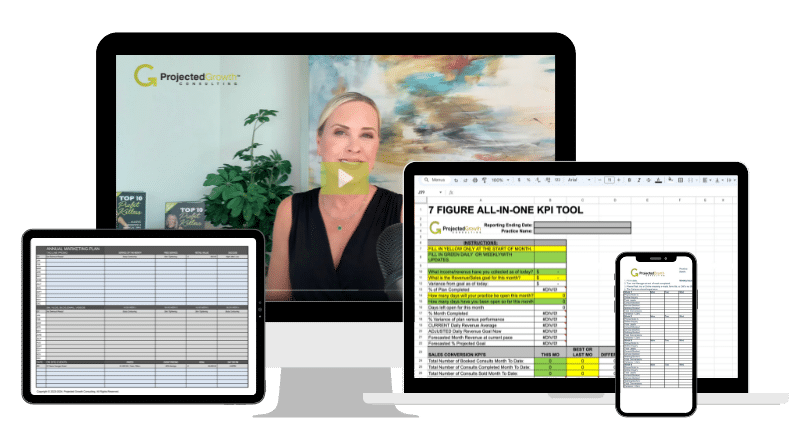
Browse our med spa marketing tools and templates to translate campaign ideas into an actionable plan.
Track each tactic by lead source, collected revenue, retention, and margin after advertising costs and provider time, so busy campaigns cannot hide poor returns. A structured treatment-plan initiative was associated with 2.5-fold higher six-month retention in an aesthetic clinic study cited in peer-reviewed research. That evidence makes retention workflows a revenue decision, alongside the promotions, memberships, and referrals that generate the next booked appointment.
Owners asking which offers actually grow the practice need a simple filter: will this idea create profitable bookings and repeat revenue? That is why the next section, “Med spa marketing ideas start with a revenue scorecard,” puts numbers before tactics. The path begins with:
Med spa marketing ideas should earn attention only when they support revenue. A busy social feed or a full lead list can still hide weak sales. Start with the numbers that show whether interest becomes booked care, collected cash, and repeat business.
Before choosing events, email, paid ads, or referral offers, set one scorecard for each campaign. Track booked consultations, show rate, close rate, collected revenue, treatment margin, repeat visits, and membership conversion. These measures follow the patient path instead of rewarding activity alone.
A sound med spa marketing strategy should define the audience and message. The scorecard then shows which idea produces useful bookings and profitable care. That difference matters when a popular offer fills appointment slots but lowers the value of each visit.
Begin with a baseline from recent months, then assign every lead and booking to its source. A promotion is easier to judge when the team can see both the treatment sold and the cash collected.
Use the same reporting period, source labels, and revenue rules each month. That makes offers easier to compare. Owners then have a clear basis for changing budget, follow-up, or staff training.
| Measure | What to review |
|---|---|
| Booked consultations | Scheduled consults by source. |
| Show rate | Attended visits against bookings. |
| Close rate | Accepted treatment plans. |
| Collected revenue | Payments received. |
| Treatment margin | Revenue against delivery cost. |
| Repeat visits | Return appointments booked. |
| Membership conversion | New members by campaign. |
A marketing plan for medical spas can map offers across the year. The scorecard keeps that calendar honest. Owners can compare an event with a membership offer without treating all demand as equal.
Bookings alone do not show patient value. A campaign may attract consultations, yet need better follow-up, treatment planning, or a stronger membership conversation. In one medical aesthetics study, a structured plan was linked with a 2.5-fold higher chance of six-month retention.
PGC’s KPI-focused approach starts with review by campaign and service line. Keep ideas that produce attended visits, accepted plans, healthy margin, and return care. Adjust ideas that create attention without collected revenue or lasting patient relationships.
A monthly promotion gives patients a reason to act. It should not teach them to wait for a lower price. For med spa marketing ideas, this difference matters. A promotion packages timing, education, and a useful next step. Discounting simply removes revenue from a service that may already have tight labor and product costs.
Set one theme for each quarter, then plan three monthly offers within that theme. A skin health quarter might move from consultation to treatment planning, then to maintenance. That sequence makes your marketing plan for medical spas easier to manage across email, social content, front desk scripts, and booking follow-up.
Use a simple planning sequence before the quarter starts:
A bundle works when it creates a clear care path, not a bargain bin. For example, an open house may offer educational consults and reserved treatment appointments. A monthly skin plan may join a visit with home-care guidance. Keep clinical fit and consent separate from the offer deadline.
That approach supports long-term value. Research on structured consultation plans found higher six-month retention after plan introduction in cosmetic injectable clinics. The finding is reported in an open-access clinical study. Build events around assessment and a sound next step, rather than one-night markdown pressure.
Write guardrails before any promotion goes live. Set a minimum gross margin, a maximum number of promotional appointments per provider, and rules for add-ons or retail items. Also state what is excluded, including services that consume too much chair time or require clinical review first.
This is the difference between an offer and a discount habit. A planned experience protects positioning while a blanket markdown trains price shopping. If offers have become the main reason patients book, revisit the marketing strategy for med spas before filling another calendar month.
Memberships turn a short campaign into a repeat relationship by giving a patient a clear reason to return. Instead of building every month around a new offer, the practice can promote an ongoing plan. It can be tied to planned care, member access, and consistent follow-up.
Among med spa marketing ideas, a membership works best when it is framed as a care pathway, not a coupon club. A first-visit offer can introduce the practice. The membership then answers the next question: what is a sensible way to maintain a result over time?
This shift also protects the brand from relying on constant price cuts. PGC’s med spa marketing strategy explains how education and trust can support conversion. A membership should follow that logic, with clear benefits and no pressure to buy care that is not needed.
A useful membership gives patients simple options and gives staff an easy explanation. Build tiers around the relationship and service rhythm, rather than a long menu of discounts. Pricing, included care, and clinical fit should be set by the practice.
Each tier needs a short description, defined inclusions, booking rules, and staff talking points. When a campaign brings in a first-time patient, the team can present the most relevant next step. That is more useful than offering every patient the same promotion.
Recurring revenue is not created by enrollment alone. It depends on a repeat consultation, an agreed treatment plan, follow-up reminders, and a review point before renewal. A study of medical aesthetic clinics found higher six-month retention after a treatment plan was introduced. Read the published retention analysis for the study detail.
Track active members, renewals, cancellations, visits used, and revenue by tier each month. These numbers help the practice plan capacity and adjust member messages. They also show whether a campaign produced a one-time booking or started a stable patient relationship.
Referral and event ideas work best when each next step is clear and tracked. Start with a useful reason to gather, such as an education night or skin health question session. No campaign should depend on an unverified claim, hidden condition, or rushed offer.
Give guests one simple way to request a consultation after the event. Collect consent for follow-up, note the event source in your system, and assign an owner for each reply. This turns a busy evening into a list of clear actions, not a pile of names.
An event should open a helpful conversation, not force a treatment choice. Use the consultation to discuss goals, history, fit, and a care plan. In medical aesthetic clinics, a published study on structured consultation planning found higher six-month retention after the plan was introduced.
Keep that evidence in its lane: it supports a sound consultation process, not a promise about one patient’s result. Your invitations and follow-up should describe the session plainly. Review any price, package, referral thank-you, or treatment statement before it goes live.
Among practical med spa marketing ideas, referrals become more useful when the source is recorded. Create a short process your front desk and clinical team can follow:
A monthly review can compare event costs, consultations requested, completed visits, and tracked revenue. It can also show which referral sources bring inquiries that fit your practice. This is the operational layer behind a focused marketing plan for medical spas.
Use the findings to adjust topics, scheduling, staff scripts, and follow-up timing. Keep claims measured and source labels consistent. Over time, each gathering and referral gives your team cleaner data for the next campaign decision.
A follow-up workflow turns a new inquiry into a clear next step, not a loose lead in an inbox. Among med spa marketing ideas, this system links campaign effort to booked consultations and treatment-plan decisions. Assign one owner, define each handoff, and track what happened after the inquiry arrived.
Every inquiry needs one named owner, a due action, and a source label. Source labels may include search, social, referral, event, email, or returning patient. The owner should respond soon, log the attempt, and keep the conversation focused on consultation needs.
Prepare short replies for common questions, but keep the exchange personal. A caller who asks about injectables may need a consultation outline, not a promotion. A patient asking about membership options may need terms and next steps before an appointment is set.
Use the same sequence for every new inquiry and missed visit:
The workflow is not a pressure sequence. It gives patients the information needed to make an informed choice while keeping your team accountable. Each status should point to the next human action, such as call, consult, reschedule, or treatment-plan discussion.
Education is part of conversion because patients need clear choices, timing, and care expectations before booking treatment. A medical aesthetics study found that plan initiation was associated with higher six-month retention. This supports a structured consultation and documented follow-through, instead of chasing one-off promotions.
A repeatable handoff also strengthens a broader med spa marketing strategy. The team can tell which messages start qualified conversations. Review the workflow each week with the front desk, provider, and marketing owner.
Group inquiries by source, then review consultation requests, appointments kept, treatment plans discussed, and follow-up tasks still open. This review shows where interest stalls and which team handoff needs coaching.
Do not judge a channel only by lead count. A source that creates fewer inquiries may still produce stronger consultations or better plan follow-through. Use the review to refine scripts, staff ownership, education assets, and campaign spending for the next cycle.
Profitable channels do different jobs in one revenue funnel. Content builds informed interest, search captures intent, and nurture brings leads back to a scheduled consultation. Track each channel through booked consultations, accepted treatment plans, and repeat visits rather than likes alone.
Educational posts should answer treatment questions, explain consultation steps, and set clear expectations. Social proof can support that education when reviews and patient stories are shared with consent. Published research describes digital marketing and social media as parts of today’s plastic surgery marketing landscape.
That makes content useful before a prospect is ready to book. Start with concerns patients search for, then offer a consultation prompt tied to the topic. For an education-first framework, use PGC’s med spa marketing strategy as a planning reference.
Local search serves people who already need a next step. Treatment pages, accurate location details, current hours, and clear booking paths help turn that intent into an inquiry. A polished profile without prompt handling is still a weak funnel.
Assign staff to answer calls, forms, and direct messages with one approved process. Record the inquiry source, requested service, consult date, show rate, and treatment acceptance in one scorecard. This lets owners compare revenue movement with lead activity, instead of rewarding reach that never becomes an appointment.
Email and text should move an opted-in prospect toward a useful next step. Examples include consultation preparation, aftercare education, membership information, or a reminder to reschedule an unfinished inquiry. Keep consent, opt-out handling, patient privacy, and offer review inside the workflow.
Nurture works only if the consultation is ready to deliver on the message. Use a consistent assessment, treatment discussion, price presentation, and follow-up plan. One retrospective aesthetic clinic study found structured plan initiation was associated with a higher chance of six-month retention.
A channel earns more budget when it moves qualified demand to care that the practice can staff and support. A busy inbox with low consult readiness signals an operations issue, not a need for broader promotion.
Use these med spa marketing ideas as connected handoffs: teach, capture demand, follow up, consult, and measure accepted care. When a handoff fails, fix the process before adding another channel or more spend.
Med spa marketing ideas become useful when an owner can assign them, fund them, and review them. A 90-day plan gives the team a short window to test one priority without turning every new idea into a campaign. Start with facts from your own pipeline, not a crowded activity list.
Use your first review to name the current gap: leads, booked consultations, show rate, treatment acceptance, repeat visits, or revenue. If your practice needs a wider framework, build from a marketing plan for medical spas. Then narrow this quarter to one measurable campaign.
A campaign should track more than clicks or messages. If its goal is consultations, review lead source, booked consultation rate, attendance, treatment acceptance, and repeat booking. An open-access medical study found higher six-month retention after clinics introduced structured consultation planning.
That finding supports a practical point: marketing and patient workflow cannot be scored in separate rooms. A strong promotion with a weak consultation process may hide the real issue. Assign one person to update the scorecard weekly. The owner can make the monthly keep, change, or stop decision.
At day 90, ask what worked, what it cost, who carried the work, and whether the practice can deliver more visits well. This review keeps growth choices tied to capacity and margin, rather than novelty. It turns one successful test into a documented system the team can run again.
Owners who want help mapping the campaign, workflow, and review rhythm can contact Projected Growth Consulting. The next step is a clear operating discussion, built around current numbers, team roles, and the campaign decision at hand.
Use a measurable path from first interest to booked treatment: local search visibility, a clear consultation offer, proof of expertise, and prompt follow-up. Track each source through consultation, purchase, and return visit. The American Med Spa Association identifies data-driven acquisition, patient-journey personalization, automated trigger marketing, and local search as core growth approaches.
A med spa membership can convert occasional visits into predictable monthly revenue when benefits support treatment plans, not constant discounts. Define included credits or services, rollover rules, cancellation terms, and upgrade options before promotion. Track enrollment, monthly recurring revenue, redemptions, churn, and member treatment spend. Use referral or seasonal campaigns to invite qualified clients into the membership after a consultation.
Local SEO helps a med spa appear when nearby patients search for treatments and providers with booking intent. Keep service pages, location details, Google Business Profile information, and review requests consistent. Measure phone calls, form submissions, consultations, and revenue from organic local leads. Local search optimization is identified as a med spa growth pillar by the American Med Spa Association.
Start with contribution margin by treatment, then set a promotion limit that protects provider time and product cost. Use monthly offers for selected capacity gaps, not across every high-demand service. Compare booked revenue, collected revenue, treatment margin, rebooking, membership conversion, and referral activity by campaign. If bookings rise while margins or retention fall, change the offer, audience, or follow-up process before increasing spend.
Untracked campaigns can keep your team busy while leaving revenue decisions unclear from one month to the next. Promotions without planned follow-up may lose momentum before interested patients decide how and when to respond. Starting now gives your practice a calendar, ownership, and measurement process to apply before the next campaign runs.
A practical plan connects offers, memberships, referrals, and follow-up to the decisions your team reviews each month. Define responsibilities before the next promotion so work does not depend on late decisions. Track the steps that turn interest into scheduled conversations and useful performance insight. Ready to move forward? Book a consultation to create your clear revenue-accountable med spa marketing plan.

Written by
Founder & CEO, Projected Growth Consulting
Kelly Smith is a med spa business consultant with 20+ years of industry experience and the founder of Projected Growth Consulting. A former 7-figure med spa owner, published author of 5 books, and international speaker, Kelly has helped 6,000+ practices generate over $250 million in additional revenue through proven growth strategies.