Quarterly promotions mean little when booked treatments do not support your revenue target. A med spa needs a plan that connects demand, capacity, spend, and collected sales before campaigns go live.
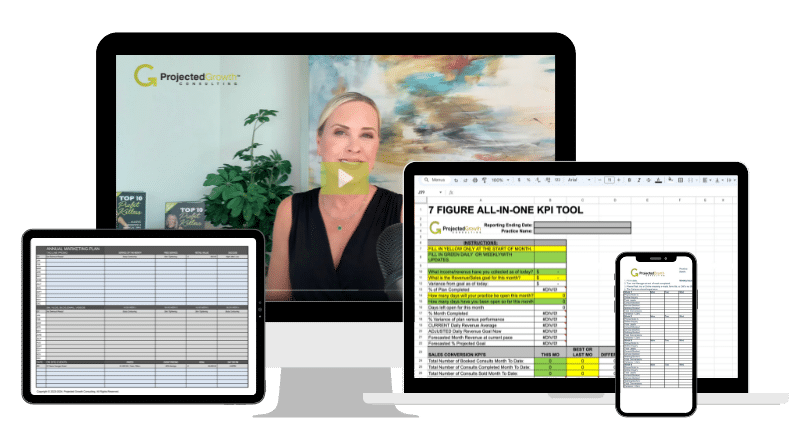
Get the Annual Marketing Plan Template to organize quarterly priorities, budgets, channels, and follow-up decisions in one place.
A med spa marketing plan is a quarterly roadmap that ties priority treatments, ideal patients, channel spend, lead follow-up, and revenue targets to one operating calendar. It names the service mix, patient segment, offer, channel budget, appointment capacity, response owner, and quarterly revenue goal before spending begins. Owners then track inquiries, consultations, treatments booked, revenue collected, and cost by channel, so decisions follow sales rather than likes. At quarter end, the plan shows what to fund, what to stop, and what to change while there is still time to protect the revenue goal.
The question is not whether to market every quarter, but whether each dollar can be traced to treatments and revenue. To build that system in your practice, start with What a quarterly med spa marketing plan needs to do. Here’s how.
A med spa marketing plan turns broad direction into work a team can run this quarter. Strategy sets the position, audience, and long-term aim. The quarterly plan names services to promote, open appointment space, owners, deadlines, and measures. It answers one practical question: what must happen now to support booked revenue?
Start with the revenue goal, then map it to treatment capacity. A plan should name priority services, booking demand, provider time, room limits, and follow-up needs. This keeps a campaign from driving interest for an offer the practice cannot deliver on schedule.
Service priority also guides the message. A new treatment may need education, while a known treatment may need stronger booking intent. The quarterly plan should follow the larger med spa marketing strategy, not replace it. Strategy explains why the practice competes; the plan assigns this quarter’s work.
Place each campaign on a calendar before creative work starts. Mark the offer, audience, start date, landing page, support channels, ad needs, and staff owner. Add time to review treatment claims, consent language, and before-and-after assets before launch.
Promotions and treatment claims need a careful review step. Name an owner for the website, email, social posts, paid ads, and local listings. Clear ownership helps prevent missed launches and mixed messages. Practices that need implementation support can explore the MedSpa Growth Accelerator.
The plan is incomplete if it stops at lead generation. Define who responds to calls, forms, and direct messages. Set a response process, then track whether an inquiry books. Staff also need a route for leads who ask questions, need a consult, or are not ready to schedule.
Measure outcomes that show whether the plan supports appointments and revenue. Track qualified inquiries, consult requests, booked treatments, show rate, revenue by priority service, and cost by channel. Review results during the quarter. Shift budget or calendar effort when a channel creates leads without booked visits.
A useful med spa marketing plan starts with the numbers already in your practice. Pull last quarter’s booked revenue, completed treatment revenue, new inquiries, consultations, booked visits, no-shows, repeat visits, and spend by channel. Keep sources clear, such as your booking system, payment records, call log, and ad account.
Set the quarter’s revenue goal, then subtract revenue already expected from booked and repeat patient care. The amount left is your revenue gap. This gives marketing a job to do, rather than a vague wish for more leads. A consistent planning process helps a practice track performance and change course when needed.
Build the plan in one working session with the owner and the person who manages bookings. Bring treatment capacity, provider schedules, unit economics, lead history, and current creative. The steps below keep choices tied to revenue and time.
Record the baseline and gap. Use one sheet for the last quarter, the new goal, expected existing revenue, and the open revenue gap.
Choose the service focus. Compare services by contribution margin, open appointment capacity, provider skill, supplies, recovery timing, and patient fit. Promote work the team can deliver well this quarter.
Select an offer and audience. Define the treatment focus, who it helps, any consult path, eligibility limits, and the message. Avoid discounts before checking margin and brand fit.
Map activity and ownership. Assign each channel, landing page, follow-up task, creative deadline, budget, and reporting owner. Name the staff member responsible for each handoff.
Set the weekly review. Choose one fixed meeting time. Review inquiries, qualified consultations, bookings, completed revenue, spend, capacity, and missed follow-up actions.
Your review should answer a few direct questions. Is the focus service filling open capacity? Are qualified inquiries reaching a booked consult? Is spend tied to completed revenue, not just form fills? Check campaign cost-effectiveness and lead quality before deciding what to repeat.
If demand is low, check the audience, message, channel, and response time before adding spend. If demand is strong but schedules are full, stop pushing that service. Shift attention to services with available capacity. If consults book but treatments do not, review expectations, offer fit, pricing clarity, and consultation notes.
Keep the weekly scorecard brief enough to use. Record results, decisions, the next owner, and the date each change will be checked. Include the front desk or patient coordinator in the meeting. Staff input supports both plan execution and review.
A med spa marketing plan should begin with the revenue job for the quarter. Is the practice filling open treatment hours, building repeat visits, or creating first appointments? A proactive budget planning approach helps a practice track results and shift resources when needed.
Set the target first, then assign services a role in meeting it. A high-value treatment cannot carry the quarter if the provider schedule has little room for it. A lighter entry offer may help fill openings. It still needs staff who can guide the next visit.
Review provider hours, room and device availability, treatment intervals, and front-desk follow-up time before choosing what to promote. This keeps demand tied to delivery. It also avoids sending inquiries toward a calendar that cannot take them.
Next, map each promoted service to a patient journey stage. Events may introduce the practice, and injectables may prompt a scheduled visit. Skin plans may support continued care. Membership messages can serve patients who know the practice and need a next step.
| Service group | Goal signal |
|---|---|
| Injectables | Provider slots are open. |
| Skin or device plans | Device time needs use. |
| Memberships and retention | Repeat visits need support. |
| Events | New interest is needed. |
For injectables, focus marketing on consultation or booking interest. Then plan for rebooking and care questions. For skin or device plans, explain the treatment path. Follow up on plan progress and the next visit.
Membership messages keep existing patients engaged. Follow-up should address visit cadence and renewals. Events create an introduction point. After an event, the next job is attendee outreach and consultation booking.
Seasonal relevance matters, but it should not override capacity or retention value. Choose campaigns that fit what patients consider now and what the schedule can provide. Before launch, set follow-up ownership and record each new inquiry source.
At quarter end, compare each service group’s inquiries, bookings, repeat visits, and revenue contribution. Check campaign cost-effectiveness rather than assuming a channel works. Use that review to adjust the next mix and document the decisions in your quarterly plan.
Set your med spa marketing budget by what you need to learn and earn, not by a generic percentage. A systematic budget approach lets a practice track performance, change course, and shift resources as results appear. In a med spa marketing plan, each dollar should have a job, a measure, and a review date.
Begin with fixed costs needed to run and measure your plan each month. These may include your website, booking or CRM tools, call tracking, reporting software, creative planning, and team time. Include time for front desk follow-up, since an inquiry has no value until your team responds.
Campaign spend is the changeable part, such as search ads, paid social, promotions, or a new treatment push. Keep it separate from fixed costs. Then you can stop a weak test without losing basic tracking while still comparing campaign cost and results by the source of new patients.
Build the budget from the bottom up before choosing channels. Write down the treatment you will promote and the likely value of a booked visit. Note the staff capacity you have. Then list costs for the offer, campaign, lead handling, and reports.
Use a simple formula: total budget equals fixed base plus creative work, tracking, and campaign tests. This is not an industry rule. It is a worksheet tied to your goals and cash limits. Set stop and go rules before a campaign begins. A busy week should not replace a sound review.
A startup practice often needs a lean base and a narrow test fund. Choose one service focus and one or two trackable paths to an appointment. Save enough team time to answer leads well. Do not spread a small budget across many channels that cannot be judged.
A growing practice can fund new creative and compare a few campaigns while keeping proven work active. Review cost, lead quality, booked visits, completed visits, and revenue together. If demand rises, also budget for staff time and scheduling support.
An established practice can test service lines, locations, audiences, or seasonal offers without losing its core plan. Set limits for each test and shift funds when results change. The right budget is the amount you can track, support, and adjust with care.
When you are ready to organize these decisions, use PGC’s Annual Marketing Plan Template as a starting point for your next quarter.
A med spa marketing plan works best when each channel has one task and one measure. Start with PGC’s five journey stages: Awareness, Interest, Consideration, Decision and Retention. This map keeps a busy practice from asking every campaign to produce booked consultations at once.
In Awareness, local visibility helps people find the practice when they first search nearby options. Keep the website, local listings and review process accurate and current. Track local listing views, website visits from local search and review volume as early signs of reach.
SEO and the website take the next job: education. Pages about services, candidacy, treatment timelines and common questions help a reader move from broad interest to an informed next step. PGC’s guide to med spa marketing strategy gives more context for building that path. Measure organic visits to service pages, engaged visits and consultation form starts.
Paid search and paid social can support Awareness or Interest, but name the job before spending. An awareness campaign should be judged by qualified reach and landing-page visits. A treatment-interest campaign should be tied to leads for that treatment, not broad attention alone.
In Consideration, email and SMS nurture leads who have asked for information but have not booked. Use clear service education, consultation reminders and timely answers to common concerns. Measure lead response rate, consultation-booking rate from nurture and opt-out rate, so follow-up stays useful.
In Decision, the website and front desk share a conversion job. Landing pages should make the consultation step easy to find. Staff follow-up should give each inquiry a clear next action. Track consultation requests, contact rate, booked consultations and show rate.
Retention is not leftover activity after a promotion ends. Email and SMS can keep existing patients informed about follow-up care, appropriate next visits and practice updates. Measure returning-patient bookings, rebooking rate and engagement by patient group.
Put each metric on one quarterly scorecard, with an owner and a review date. Compare channel results with schedule capacity and service priorities. This makes it easier to spot whether the gap is reach, nurture or consultation follow-up.
Review these channel jobs each quarter against revenue goals, treatment capacity and follow-up load. If leads grow but consultations stall, fix response and booking steps before adding reach. The Annual Marketing Plan Template in PGC’s Growth Essentials Bundle can help organize channel choices and quarterly scorecards.
Marketing results do not stop when a lead form arrives. Your med spa marketing plan should define what happens next, who owns each inquiry, and how your team records the result. A simple scorecard makes follow-up visible without turning the front desk into a data team.
Name one team member as owner for each new lead source and each work shift. Log the lead date, source, assigned owner, first response time, and next action. If a lead is missed, the record shows where the process broke and what needs attention.
Use a small set of contact statuses that the full team can apply the same way:
Count progress through the patient journey, not just the lead total. A channel may bring in inquiries but few completed consultations or booked treatments. Another may deliver fewer leads that move into the Decision and Retention stages. That difference guides later budget choices.
For each source, track consultations scheduled, consultations completed, treatments booked, and revenue collected. Collected revenue keeps the scorecard tied to real receipts rather than interest alone. Track retention or reactivation separately, since a returning patient is not the same as a new inquiry.
Match the scorecard to your service capacity. If one service has limited appointment slots, a large lead count may not be useful that quarter. A practical med spa marketing strategy connects campaigns to staffing, treatment availability, and follow-up work.
Review the scorecard each week with the people who answer inquiries and schedule visits. Look for unanswered leads, slow handoffs, missed consultations, open follow-up tasks, and reactivation opportunities. Assign the next step before the meeting ends, with an owner and a due date.
Keep the weekly view short enough to use. Show new leads, leads reached, consultations held, treatments booked, collected revenue, and open follow-up items by source. Add notes only when a result needs an explanation or a new action.
Once each quarter, bring the same scorecard into a decision meeting. Compare channel spend with booked treatments and collected revenue, then review retention and reactivation activity. Decide which campaigns to keep, adjust, pause, or test next, based on capacity and business goals.
If you need a framework for that meeting, access the Annual Marketing Plan Template from Projected Growth Consulting. Use it to set quarterly priorities, record follow-up measures, and connect marketing actions to the revenue your practice collects.
A quarterly med spa marketing plan should connect revenue goals to treatment capacity, service priorities, budget limits, and patient follow-up. Start with one revenue target for the quarter, then map offers and channels to Awareness, Interest, Consideration, Decision, and Retention. Assign an owner, due date, lead response process, and weekly scorecard for each campaign so spending decisions reflect booked business.
There is no single correct med spa marketing budget. Set an amount based on quarterly revenue goals, expected treatment margins, provider capacity, historical lead quality, and cash flow. Split the budget by each channel’s job, such as lead generation, nurturing, retention, or reactivation. Review cost per qualified lead, consultation bookings, treatment revenue, and unused capacity before shifting spend.
Measure the path from attention to collected revenue, not lead counts alone. Track qualified leads, response time, consultation bookings, show rate, treatment conversion rate, average collected revenue by service, repeat visits, and acquisition cost. Review results weekly during a quarter. Compare channels against capacity and margin, since a busy schedule does not always mean a profitable plan.
Build follow-up into the plan before a campaign begins. Define who responds, how quickly, which message addresses the requested service, and when unanswered inquiries receive another contact attempt. Separate new leads, consultation no-shows, past patients, and treatment-plan follow-ups. The Projected Growth Consulting patient journey framework includes Decision and Retention, so follow-up should continue after booking and treatment.
Waiting another quarter can leave marketing spend disconnected from revenue goals, treatment capacity, and the daily follow-up work your team needs to manage. Starting now lets you choose campaign priorities before the quarter begins, assign clear responsibilities, and measure the results that guide your next decisions. A written quarterly plan gives your team a practical schedule for budget choices, channel work, patient communication, and timely lead follow-up.
Ready to plan with purpose? Download your Annual Marketing Plan Template and build the next quarterly plan with Projected Growth Consulting. Request the template today, then turn your revenue targets into clear quarterly actions using the priorities your team selects during your next planning meeting.

Written by
Founder & CEO, Projected Growth Consulting
Kelly Smith is a med spa business consultant with 20+ years of industry experience and the founder of Projected Growth Consulting. A former 7-figure med spa owner, published author of 5 books, and international speaker, Kelly has helped 6,000+ practices generate over $250 million in additional revenue through proven growth strategies.