Many practice owners view compliance as a defensive chore, but the most successful leaders see it as a strategic advantage. Mastering medical spa regulations isn’t just about avoiding fines; it’s about building a stronger, more resilient business. When your operations are built on a solid legal framework, you create a safe environment that fosters patient trust, attracts top talent, and sets you apart from the competition. This guide will show you how to move beyond simply meeting the minimum requirements and start using compliance as a tool for smart, sustainable growth in the competitive aesthetics market.
Understanding the rules that govern your medical spa is one of the most critical parts of running a successful and sustainable business. These regulations aren’t just suggestions; they are legal requirements designed to protect your patients, your staff, and your practice. The legal landscape is layered, with both federal and state agencies setting the standards you need to meet. Getting a firm grasp on these rules from the start will save you from major headaches down the road and build a strong foundation for growth.
Think of med spa regulations as a two-tiered system. At the top, you have federal laws that apply to every practice across the country. These include standards from OSHA for workplace safety and HIPAA for protecting sensitive patient information. These are the non-negotiables.
Where things get more detailed is at the state level. Each state has its own board of medicine and cosmetology that creates specific rules for the aesthetics industry. These laws determine who can own a medical spa, which professionals can perform treatments like Botox or laser therapies, and what kind of medical supervision is required. The American Med Spa Association offers a great starting point for researching the specific legal requirements in your state.
Following these rules isn’t just about good practice; it’s about protecting your entire business. The consequences for non-compliance are serious and can include steep fines, the suspension or loss of professional licenses, and even a forced shutdown of your operations. Common mistakes, like letting an unqualified staff member perform a medical procedure or using misleading advertising, can easily trigger these penalties.
Setting up your practice correctly from the beginning is essential for long-term success. It ensures patient safety, protects your investment, and builds a trustworthy reputation in your community. Our Business Startup Program is designed to help you establish this solid, compliant foundation from day one, so you can focus on growing your practice with confidence.
One of the first and most important questions you’ll face when starting your practice is, “Who can legally own this business?” The answer isn’t as simple as you might think, and it’s definitely not the same everywhere. Getting this right from the start is critical for building a sustainable and legally sound business. The ownership structure of your medical spa is dictated by state laws, which are primarily designed to protect patients by ensuring medical decisions are made by licensed professionals, not by corporate interests.
Understanding these rules will shape your entire business plan, from finding investors to structuring your company. Before you get too far down the road, you need to get clear on three key areas: the role of licensed physicians, a legal principle known as the Corporate Practice of Medicine doctrine, and how these rules can change dramatically from one state to the next. If you’re just starting out, our Business Startup Program can help you work through these foundational legal and structural challenges.
In many states, the law is very clear: only a licensed physician can own a medical spa. This is because the services offered, like injectables and laser treatments, are considered medical procedures. The goal is to ensure that a qualified medical professional is ultimately responsible for patient care and safety. Even if you’re in a state with more relaxed ownership laws, you will still be required to have a medical director. This individual must be a licensed physician who is responsible for all clinical operations, including creating treatment protocols, supervising staff, and ensuring every procedure is performed safely and correctly.
The “Corporate Practice of Medicine” (CPOM) doctrine is a legal rule that exists in many states to prevent corporations or non-licensed individuals from employing physicians and influencing their medical judgment. In essence, it means that a business entity cannot practice medicine. This doctrine is the primary reason why non-physicians often cannot own a medical spa outright. It ensures that only licensed professionals can receive payment for medical services. To work within these rules, many practices use a Management Services Organization (MSO) model, where a non-physician can own a company that provides management, marketing, and administrative services to the physician-owned medical practice.
There is no federal law governing who can own a medical spa, which means the rules are created at the state level and they vary widely. For example, a state like Florida allows non-physicians to own a med spa, while California requires that a licensed doctor own the majority of the practice. Because the regulations are so different, you can’t rely on advice from a colleague in another state. Your first step should be to research the specific requirements where you plan to operate. The American Med Spa Association offers excellent resources and legal summaries for each state, but you should always consult with a local healthcare attorney to ensure your business is structured correctly.
One of the most exciting parts of opening a medical spa is deciding on your menu of services. But before you invest in the latest technology or trendiest treatments, you need to get crystal clear on what you can legally offer. The services you provide are strictly regulated, and the rules depend entirely on your state’s laws and the licenses held by your staff. Think of your practice as a healthcare facility first and a spa second. This distinction is key, as it means procedures like injectables, laser treatments, and deep chemical peels fall under medical oversight.
Understanding your scope of practice isn’t just about following rules; it’s about protecting your business, your team, and your patients. Offering a service that you’re not legally cleared for, or allowing an under-qualified staff member to perform a procedure, can lead to devastating consequences. We’re talking about hefty fines, license revocation, and even legal action. That’s why building a solid operational foundation is so important. Our MedSpa Growth Accelerator program helps you create the systems you need to ensure every part of your business, including your service menu, is fully compliant and set up for success.
Injectables like Botox and dermal fillers are some of the most popular treatments at medical spas, but they are also among the most regulated. Because these procedures involve injecting substances into the body, states universally classify them as medical treatments. This means they can’t be performed by just anyone.
Typically, only licensed medical professionals such as physicians, nurse practitioners (NPs), and physician assistants (PAs) can administer injectables. In some states, registered nurses (RNs) may also perform these services, but usually only under the direct supervision of a physician. It’s crucial to check your state’s specific nursing and medical board regulations to understand who can legally perform these treatments and what level of supervision is required.
Laser hair removal, IPL photofacials, and radiofrequency skin tightening are powerful treatments that can deliver incredible results. They are also powerful medical devices that are strictly regulated. In most states, using a laser or any other energy-based device that affects living tissue is considered the practice of medicine. This means a licensed physician must either perform the procedure or directly supervise the person who does.
The rules for delegation vary widely. Some states allow trained technicians or nurses to operate lasers under specific supervisory guidelines, while others are much stricter. Before you purchase any equipment, you must verify your state’s requirements for both the procedure itself and the training and certification of the operator. This ensures you’re providing safe, effective, and legally compliant treatments to your clients.
Skincare treatments exist on a spectrum, from relaxing facials to intensive medical-grade peels. Where a service falls on that spectrum determines who can legally perform it. Aestheticians are skincare experts, but their scope is generally limited to non-medical services that only affect the outermost layers of the skin. This includes services like classic facials, waxing, and dermaplaning.
However, medium-depth and deep chemical peels that penetrate the living layers of the skin are considered medical procedures. These must be performed by or under the supervision of a licensed medical professional. Knowing how to clearly explain these differences is key to managing client expectations, which is a core part of our Conversion, Consultation & Closing Course.
While medical spas can offer a wide range of advanced treatments, some procedures are simply too invasive for an outpatient setting and belong in a hospital or accredited surgical facility. These typically include any procedure requiring general anesthesia or significant surgical intervention. Trying to perform these services in a med spa environment is not only dangerous for the patient but also a serious legal violation.
Common mistakes often happen when practices let unqualified staff perform medical tasks or push the boundaries of their approved services. The consequences can include being forced to shut down, facing massive fines, and losing your professional license. Ensuring your team is properly credentialed and trained is non-negotiable, and our Aesthetics New Hire HR Success Kit can help you build a compliant and qualified team from day one.
Your team is the heart of your medical spa, but without the right credentials, they can also be your biggest liability. Understanding the specific licensing and supervision rules for each role isn’t just about checking a box; it’s fundamental to protecting your patients, your practice, and your reputation. State regulations are very specific about who can perform which treatments and what level of oversight is required. Building a compliant, skilled team from day one is one of the most important steps you can take for long-term success.
Every medical spa must have a licensed physician serving as its medical director. This is a non-negotiable requirement, and their role is far from passive. The medical director must be actively involved in the practice’s operations, including establishing treatment protocols and supervising the clinical staff. They can’t just be a name on paper; they are legally responsible for the medical services provided. This oversight ensures that all procedures meet professional standards of care and that patient safety remains the top priority. Properly setting up this structure is a core part of our Business Startup Program, where we guide you through establishing compliant leadership.
Not everyone on your team can perform the same services. State laws create a clear hierarchy of practice. Generally, only licensed physicians can perform procedures that affect living tissue, or they must directly delegate and supervise those tasks. Physician Assistants (PAs) and Nurse Practitioners (NPs) often have more autonomy, while Registered Nurses (RNs) may perform certain medical aesthetic procedures under specific supervision protocols, which can sometimes be remote. On the other hand, Licensed Practical Nurses (LPNs), medical assistants, and aestheticians typically require a supervising physician to be physically present on-site for any medical-grade treatments. Our Aesthetics New Hire HR Success Kit can help you define these roles clearly from the start.
Licensing is the starting point, not the finish line. The aesthetics industry evolves rapidly, with new technologies and techniques emerging all the time. Because of this, many states mandate ongoing education to ensure practitioners remain competent and up-to-date. For example, some regulations require staff to complete a set number of training hours annually. This commitment to continuous learning is crucial for patient safety and delivering superior results. Investing in advanced training, like our Conversion, Consultation & Closing Course, not only satisfies regulatory requirements but also empowers your team to provide the best possible patient experience and drive practice growth.
Navigating the world of medical spa regulations can feel like trying to hit a moving target. Since there is no single federal law that governs the industry, the rules are left up to individual states, creating a complex patchwork of requirements across the country. This means that what’s perfectly legal in one state could get you into serious trouble just across the border. Understanding these differences is the first step to building a compliant, successful practice.
The level of oversight for medical spas varies dramatically from one state to another. Some states have very strict, specific rules, while others are much more relaxed. For example, a state like Maryland views a medical spa as a healthcare facility, holding it to the same high standards as a doctor’s office. This approach prioritizes patient safety with rigorous requirements for supervision and operations.
In contrast, a state like Alabama doesn’t have a specific law that defines a “medical spa.” Instead, its regulations focus on the individual medical services being offered. This can create more flexibility in areas like business ownership but still requires strict adherence to the rules governing medical procedures. Knowing where your state lands on this spectrum is critical for setting up your business correctly from day one.
While every state has its own unique legal landscape, a few key areas consistently show the most variation. Ownership is a big one. Some states, like Alabama, allow non-physicians to own a medical spa, while others strictly prohibit it under the Corporate Practice of Medicine doctrine. Another major difference is the required level of physician supervision. Can a nurse practitioner operate independently, or must a medical director be on-site at all times?
The scope of practice for different professionals, like nurses and aestheticians, also changes from state to state. The American Med Spa Association (AmSpa) is an excellent resource for getting an initial overview of the laws in your specific area. These differences directly impact your business model, staffing, and daily operations.
Staying on top of your local regulations is an ongoing responsibility, not a one-time task. Start by consulting your state’s medical and nursing boards, as they are the primary sources for the official rules. However, because these laws are complex and change often, it’s essential to work with a healthcare attorney who specializes in your state’s aesthetic industry regulations. They can provide clear, up-to-date guidance tailored to your practice.
Once you’re operational, make it a habit to regularly review your spa’s procedures and paperwork. Conducting internal audits helps you catch potential compliance issues early. If you’re just starting out, a guided program like our Business Startup Program can help you build a strong, compliant foundation from the very beginning.
The world of medical spa regulations can feel like a maze of conflicting advice and outdated information. It’s easy to get tripped up by common myths that circulate in the industry. Let’s clear the air and debunk a few of the most persistent misconceptions so you can move forward with clarity and confidence.
One of the biggest myths is that ownership rules are the same everywhere. You might hear that only a licensed doctor can own a medical spa, but that’s not always true. The reality is that ownership requirements depend entirely on your state’s laws, particularly the Corporate Practice of Medicine (CPOM) doctrine. For example, Maryland generally requires a practice to be physician-owned. Head over to Alabama, however, and the state allows non-physicians to own a medical spa. Before you invest, it’s critical to understand the specific ownership structure your state permits. Getting this right from the start is a core focus of any solid business startup program.
Another common point of confusion is how a medical spa is legally defined. Many new owners mistakenly believe their practice will be regulated like a traditional day spa. In reality, the services you offer, not the sign on your door, determine your classification. Because med spas provide medical procedures like Botox, fillers, and laser treatments, states like Maryland view them as healthcare facilities. Other states, like Alabama, don’t have a specific “medical spa” definition but regulate the individual medical services offered. This distinction is crucial because it dictates everything from your required medical supervision to your marketing claims.
If you take away one thing, let it be this: there is no “one-size-fits-all” rulebook for med spa compliance. The idea that you can copy the regulations from a neighboring state is a dangerous fallacy. Licensing laws vary dramatically; in Florida, a non-physician can own a med spa, while California requires a licensed doctor to hold the majority stake. These rules are not static, either. They change frequently, which is why organizations like the American Med Spa Association regularly update their legal summaries. Staying current is a constant responsibility, and it’s why having ongoing support is so valuable for practice owners.
Thinking about compliance as just another box to check is one of the biggest mistakes you can make as a medical spa owner. The reality is that state and federal regulations are in place to protect your clients, your staff, and your business itself. Ignoring them doesn’t just open you up to a little trouble; it can lead to devastating consequences that unravel everything you’ve worked so hard to build. From your bank account to your professional license, the stakes are incredibly high.
Non-compliance can hit your business where it hurts most: your finances. Regulatory bodies have the authority to levy steep fines that can easily run into thousands, or even tens of thousands, of dollars. In severe cases, they can even force you to cease operations entirely, shutting off your revenue stream overnight. These aren’t just minor setbacks; they are significant financial blows that can jeopardize your practice’s stability and growth. Keeping a close eye on your numbers with a KPI tracking tool helps you understand your financial health, but that health is directly threatened by the risk of hefty non-compliance penalties.
Beyond the financial strain, non-compliance puts professional licenses on the line. This risk extends to everyone from your medical director to your nurses and aestheticians. A license suspension or, worse, revocation is a career-ending event. State boards don’t take these actions lightly; they are often the result of serious violations like allowing unqualified staff to perform medical procedures or using misleading advertising. Ensuring every team member is properly vetted, trained, and qualified is non-negotiable. Using a dedicated hiring kit for aesthetics can help you establish the right protocols from day one and avoid these critical mistakes.
At the heart of all medical spa regulations is one core principle: patient safety. When you cut corners on compliance, you directly increase the risk of patient harm, which can lead to devastating legal consequences. A single incident can trigger a malpractice lawsuit, leading to costly legal battles and a permanently damaged reputation. Your clients trust you with their health and well-being, and upholding that trust is your most important responsibility. Building a compliant practice is about creating a safe environment that protects your patients and your business from liability. Our MedSpa Growth Accelerator program focuses on creating the solid operational foundations that minimize these risks.
Staying on top of regulations can feel like a full-time job, but it’s one of the most important aspects of running a successful medical spa. A single misstep can lead to serious consequences, from hefty fines to losing your license. To help you stay organized and on the right side of the law, we’ve put together a straightforward compliance checklist. Think of this as your guide to building a strong, legally sound foundation for your practice.
This checklist breaks down the four core pillars of med spa compliance: establishing proper medical oversight, creating clear standard operating procedures (SOPs), maintaining perfect documentation, and securing the right insurance. Getting these areas right isn’t just about avoiding trouble; it’s about creating a safe, professional environment where your patients feel confident and your business can thrive. By systematically working through these points, you can protect your practice, your team, and your clients while building a reputation for excellence and integrity in the aesthetics industry. Our Business Startup Program is designed to walk you through each of these steps, ensuring you start with a solid framework for success.
Every medical spa needs a licensed physician to serve as its medical director. This isn’t just a title; the medical director must be actively involved in the practice’s operations. Their responsibilities include establishing treatment protocols, supervising the clinical staff, and ensuring all medical procedures are performed safely and correctly. They are legally accountable for the medical care provided at your spa. Procedures that affect living tissue must be performed by a licensed physician or directly supervised by one. This oversight is fundamental to your spa’s legitimacy and is a non-negotiable requirement in virtually every state.
Your Standard Operating Procedures (SOPs) are the playbook for your entire business. These detailed, written instructions outline how to perform routine tasks within your practice, ensuring consistency, safety, and quality of care. Your SOPs should cover everything from patient consultations and treatment protocols to staff hiring and emergency procedures. The medical director should oversee all medical decisions and ensure every team member receives proper training. Regularly reviewing and updating these documents is also key to keeping your practice current with evolving regulations and industry best practices. Our Aesthetics New Hire HR Success Kit provides a great starting point for your hiring and training protocols.
Meticulous record-keeping is your best defense in a compliant practice. You must maintain detailed records for every patient, including their intake forms, signed consent documents, treatment notes, and post-care instructions. It’s also crucial to keep comprehensive logs of delegated procedures, supervision, and staff qualifications and training. All patient records must be handled in accordance with federal privacy laws like HIPAA to protect sensitive information. Proper documentation not only ensures legal compliance but also supports continuity of care and demonstrates your commitment to professional standards. Mastering this is a key part of our Conversion, Consultation & Closing Course.
Protecting your business from the unexpected is essential, and that starts with having the right insurance. Medical spas should carry both general liability and professional liability (malpractice) insurance. General liability covers incidents like a client slipping and falling in your waiting room, while malpractice insurance protects you against claims related to the clinical services you provide. Even if your state doesn’t explicitly require malpractice insurance, it is an industry best practice you can’t afford to skip. This coverage protects your business, your personal assets, and your staff in the event of a claim, giving you peace of mind.
Trying to understand medical spa regulations can feel like a full-time job. The rules are complex, they change often, and a single misstep can put your entire business at risk. Instead of spending countless hours trying to decipher legal documents, you can partner with an expert who already knows the landscape. Think of it as a strategic investment in your peace of mind and your practice’s future.
A consultant or a specialized program can provide a clear, straightforward path to compliance. They translate the dense legal requirements into a practical to-do list tailored to your specific business. This frees you up to focus on what you do best: serving your patients and growing your practice. For new owners, getting this guidance from the start is invaluable. A comprehensive Business Startup Program can help you build your med spa on a solid, compliant foundation, preventing costly mistakes before they happen. An expert partner doesn’t just help you meet the minimum requirements; they help you build a resilient business that is prepared for long-term success.
One of the biggest compliance challenges is that the rules are not the same everywhere. The laws governing who can own a med spa, who can perform laser treatments, and what level of supervision is required can vary dramatically from one state to the next. An expert can help you cut through the confusion and understand exactly what is required in your location.
They can provide clear answers to critical questions based on your state’s specific regulations. For example, they can clarify the scope of practice for your nurses and aestheticians or explain the nuances of the Corporate Practice of Medicine doctrine. While resources from the American Med Spa Association are a great starting point, a consultant helps apply that information directly to your business operations, ensuring you make informed decisions.
Your team is your greatest asset, but they can also be your biggest liability if they aren’t properly trained. Compliance isn’t just about having the right licenses on the wall; it’s about ensuring every team member understands and follows the correct procedures every single day. Some states even mandate specific training hours for certain treatments.
An expert can help you develop and implement robust training protocols that meet and exceed state requirements. This includes initial onboarding, ongoing education, and regular skills verification. Having a structured training system in place not only protects your business legally but also builds patient trust and ensures consistent, high-quality care. An Aesthetics New Hire HR Success Kit can provide the templates and checklists you need to standardize your onboarding and training processes from day one.
Achieving compliance is not a one-and-done task. Regulations in the aesthetics industry are constantly evolving as new technologies emerge and patient safety standards are updated. What is compliant today might not be tomorrow. Staying on top of these changes is critical, but it’s also incredibly time-consuming for a busy practice owner.
This is where an ongoing relationship with an expert becomes so valuable. A good consultant acts as your eyes and ears, monitoring regulatory shifts and informing you of any changes that could affect your business. This proactive support allows you to adapt quickly and avoid falling out of compliance. Programs like a MedSpa Growth Accelerator often include this type of ongoing support, giving you continuous access to experts who can help you protect your business as it grows.
I’m not a doctor. Is it still possible for me to own a medical spa? This is one of the most common questions, and the answer depends entirely on your state’s laws. Some states have a strict “Corporate Practice of Medicine” doctrine that requires a licensed physician to own the practice. However, other states are more flexible. In those cases, you can often own the business through a structure like a Management Services Organization (MSO), where your company handles the administrative side while a separate, physician-owned entity handles all clinical services.
What is the single biggest compliance mistake med spa owners make? The most dangerous mistake is improper delegation and supervision. This happens when a practice allows a staff member to perform a procedure that falls outside their legal scope of practice, like having an aesthetician operate a medical laser without the required on-site physician oversight. Even if that person is talented, the act itself violates state law and can lead to severe penalties, including fines and the loss of professional licenses for everyone involved.
Does my medical director need to be on-site all the time? Not necessarily, but this is another area where state regulations vary quite a bit. The required level of supervision often depends on the specific procedure and the credentials of the person performing it. For some services, remote supervision might be acceptable, while for others, the medical director or another supervising physician must be physically present in the building. Your medical director must always be actively engaged and responsible for the practice’s clinical operations, regardless of their location.
My state seems to have very few specific rules for med spas. Does that mean I don’t have to worry as much? A lack of a specific “medical spa law” does not mean you are in a regulatory free-for-all. It simply means you must follow the rules laid out in your state’s Medical Practice Act and Nurse Practice Act. Any service considered a medical procedure, like an injection or a laser treatment, is still governed by these foundational laws. Assuming you have fewer responsibilities because your state is less specific is a risky assumption that can get you into serious trouble.
Where is the best place to find the specific rules for my state? Your first stop should always be the official source: your state’s board of medicine and board of nursing websites. These organizations publish the laws and administrative codes that govern medical and nursing practices. While industry associations provide helpful summaries, they are not a substitute for the law itself. Because these regulations are complex, it is always best to consult with a local healthcare attorney who specializes in the aesthetics industry to get clear guidance.
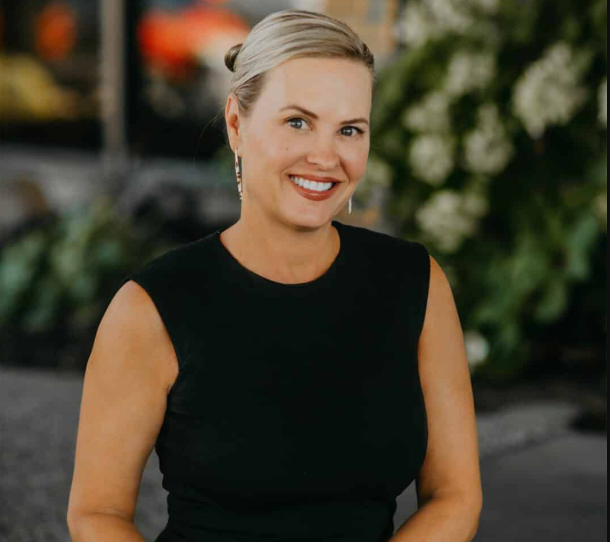
Written by
Founder & CEO, Projected Growth Consulting
Kelly Smith is a med spa business consultant with 20+ years of industry experience and the founder of Projected Growth Consulting. A former 7-figure med spa owner, published author of 5 books, and international speaker, Kelly has helped 6,000+ practices generate over $250 million in additional revenue through proven growth strategies.