When new owners create their first budget, they almost always focus on the big, exciting purchases like the lease and the lasers. The problem is, it’s rarely the big expenses that cause the most stress. It’s the hidden costs, the unexpected delays, and the forgotten operational fees that can drain your capital and derail your launch. A smart financial plan anticipates these challenges. This guide is designed to give you the complete picture of medical spa startup costs, moving beyond the obvious to reveal the expenses most people miss, like insurance, compliance, and essential team training. Getting these numbers right is the first step to building a resilient, profitable practice.
Let’s get right to the big question on every aspiring medspa owner’s mind: What’s the price tag? The honest answer is, it depends. Opening a medical spa is a significant investment, with total startup costs ranging anywhere from $200,000 to over $1,000,000. That’s a huge window, I know. But the final number comes down to your specific vision, your location, and the scale of your ambition. Most new practices land somewhere between $250,000 and $500,000 before they even open their doors. To give you a clearer picture of where your dream might fall, let’s break down the typical costs by size and explore why those numbers can swing so dramatically.
Think of your startup budget in tiers. For a smaller, more intimate medspa with one or two treatment rooms, you can expect to invest between $200,000 and $350,000. This usually covers basic equipment and a leased space without major renovations. If you’re aiming for a mid-range practice with three or four rooms, your budget will likely be in the $350,000 to $500,000 range, allowing for a wider variety of devices and some custom build-out. For a large, premium medspa with five or more rooms and top-of-the-line everything, costs can easily climb from $500,000 to over $1,000,000. These numbers are a great starting point as you begin to build your business plan and map out your financial future.
So, why the massive difference between a $200,000 launch and a $1 million one? It all comes down to a few key variables. Your location is the first major factor; a lease in downtown Manhattan will cost exponentially more than one in a quiet suburb. The size and condition of your space also play a huge role. A turnkey location needs far less investment than a raw space requiring a full build-out with high-end finishes. Finally, the services you decide to offer will heavily influence your budget. A practice focused on injectables has a much lower initial equipment cost than one planning to offer multiple laser treatments, body contouring, and other device-heavy procedures. Each of these decisions creates a ripple effect across your entire startup budget.
Opening a medical spa is a major investment, and knowing where your capital will go is the first step toward building a solid financial plan. While the total cost can vary, the major expense categories are fairly consistent across the board. Think of these as the big buckets you’ll need to fill. Breaking them down makes the total number feel much more manageable and helps you create a realistic budget instead of just guessing. Let’s walk through the six primary areas where you’ll invest your startup funds.
Your physical location is one of the largest initial investments you will make. The cost for securing a space and renovating it to meet medical and aesthetic standards can range from $200,000 to over $1,000,000. This wide range depends heavily on your city, the size of the space, and the extent of the renovations needed. For example, one practice owner in South Florida spent around $250,000 just to get their doors open. Remember, this isn’t just about cosmetic upgrades. You’ll need to account for specific plumbing, electrical, and ventilation requirements for treatment rooms, which adds to the complexity and cost of your commercial lease and build-out.
The core of your medspa is the technology you use to deliver results for your clients. Medical equipment is often the most significant capital expense, with a single laser or body contouring device costing anywhere from $50,000 to $200,000. When you plan to offer multiple advanced treatments, these costs add up quickly. While it can be tempting to look for cheaper alternatives, the quality, efficacy, and safety of your devices directly impact your reputation and client outcomes. Planning these major purchases is a critical part of our Business Startup Program, where we help you align your equipment investments with your long-term revenue goals.
Navigating the legal and regulatory requirements for a medical practice is a non-negotiable part of your startup journey. Depending on your state, you can expect to spend between $1,000 and $20,000 on the necessary business licenses and operating permits. On top of that, you’ll need a great lawyer to help you set up your business structure and review all your paperwork, which can cost between $1,500 and $8,000. Getting this right from the beginning protects you from fines and legal trouble down the road. It’s a foundational investment in the long-term health and security of your practice.
You can’t open your doors without a trained, confident team ready to serve clients. Your initial staffing budget should account for salaries and training costs before you even generate a dollar of revenue, typically ranging from $50,000 to $100,000. This ensures your team is proficient with your equipment and protocols from day one. Once you are open, payroll will become your largest recurring expense. Making the right hires is crucial, which is why we developed the Aesthetics New Hire HR Success Kit to help you build a strong team from the start and avoid costly turnover.
A beautiful spa with great technology is useless if nobody knows it exists. You need to budget for branding and marketing well before your grand opening to build awareness and start booking appointments. A smart initial marketing budget falls between $10,000 and $50,000. This covers essentials like creating your brand identity, building a website, and running pre-opening campaigns. Investing in a strong social media presence is one of the most effective ways to reach your local audience. Our Social Media for the Elective Industry Course teaches you how to turn your online content into actual bookings, ensuring your marketing dollars work for you.
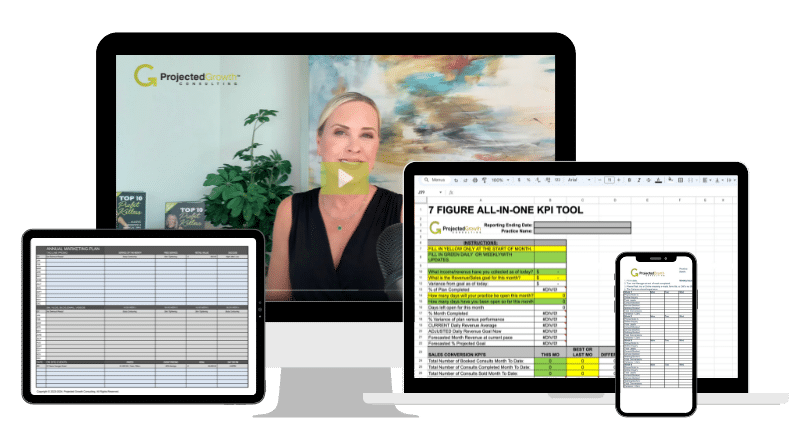
Modern medical spas run on efficient software. You need a robust system to manage online booking, secure patient records, process payments, and maintain HIPAA compliance. The good news is that this technology doesn’t have to break the bank. Initial software costs can range from a free setup to around $5,000, with many platforms offering affordable monthly subscriptions. The key is to choose a system that gives you visibility into your business performance from day one. Using a tool like our 7-Figure All-In-One KPI Tracking Tool helps you monitor your revenue, capacity, and other key metrics so you can make smart, data-driven decisions as you grow.
When you’re building your startup budget, it’s easy to focus on the big-ticket items like your lease and that shiny new laser. But the costs that truly sneak up on new owners are the ones hiding in the details. These are the expenses that can strain your cash flow and cause major stress right when you need to be focused on opening your doors. Getting ahead of these costs isn’t just good planning; it’s a critical strategy for building a resilient business from day one.
Thinking through these expenses now prevents you from having to make reactive, panicked decisions later. From compliance fees to the cost of unexpected delays, a well-prepared budget accounts for the complete financial picture, not just the obvious line items. Our Business Startup Program is designed to walk you through this exact process, but let’s break down the five most common hidden costs that catch new medspa owners by surprise. By anticipating these expenses, you can create a financial plan that has the strength and flexibility to handle the realities of launching a new practice.
Many first-time owners underestimate the cost and complexity of insurance. This isn’t an area where you can cut corners. You will need, at a minimum, two key types of coverage: malpractice insurance and general business insurance. Malpractice insurance protects you and your staff from claims related to your treatments, while general business insurance covers things like slip-and-fall accidents or property damage. The costs can vary widely depending on your location, the services you offer, and your desired coverage limits, but you must factor this in as a significant, recurring operational expense. It’s an essential cost for protecting your entire investment.
Protecting patient data isn’t just good practice; it’s the law. Setting up your practice so that it adheres to regulations for HIPAA (Health Insurance Portability and Accountability Act) is a significant upfront expense, often running between $3,000 and $10,000. This cost covers implementing secure software for patient records, creating compliant procedures for handling sensitive information, and training your entire team on privacy rules. While it may seem like a background technicality, failing to secure this from the start can lead to massive fines and a complete loss of patient trust. Think of it as a foundational investment in your practice’s integrity and long-term viability.
That state-of-the-art device you just bought is only as good as the person operating it. New owners often forget to budget for the extensive training required to use new equipment safely and effectively. The cost for obtaining necessary certifications and training can range from $2,000 to $10,000 per device. This investment ensures your team can deliver excellent, consistent results, which is key for building a strong reputation and avoiding liability issues. This isn’t just an initial expense, either. You’ll need to budget for ongoing education to keep your team’s skills sharp and up-to-date with the latest techniques and safety protocols.
Your timeline is one of your most valuable assets, and delays can be incredibly expensive. It’s common for new owners to face unexpected delays in securing state licenses and permits, a process that can easily take two to four months. During that waiting period, you’re likely still paying rent, utilities, and other overhead costs without a single dollar of revenue coming in. On top of that, construction and build-out projects frequently run 15% to 25% over the initial quote. These overruns and delays can quickly drain your startup capital if you haven’t planned for them, making a healthy cash reserve absolutely essential.
Navigating the legal and financial complexities of a medical business is not a DIY project. You’ll need to budget for professional fees for lawyers and accountants, which can range from $5,000 to $15,000. These experts help you correctly structure your business, review your lease, and set up your financial systems for success. Just as important is your contingency fund. This is the money you set aside specifically for the unexpected costs we’ve been talking about. A buffer of $10,000 to $25,000 is a smart move. This fund gives you the breathing room to solve problems without derailing your entire launch.
Your startup budget isn’t just a list of expenses; it’s a direct reflection of your business strategy. Two of the most significant decisions you’ll make are where you’ll open your doors and what services you’ll offer. These choices have a ripple effect across your entire financial plan, influencing everything from your monthly rent and legal fees to your initial equipment investment and marketing spend. A high-end urban location with a device-heavy service menu requires a completely different financial runway than a suburban practice focused on injectables.
Thinking through these factors upfront helps you build a realistic budget and a smarter business model. The total cost can change dramatically based on your city, the size of your space, and whether it needs a major renovation. Understanding how location and your service menu interact is the key to creating a financial plan that supports your vision instead of limiting it. Let’s look at how to approach these critical decisions so you can allocate your funds effectively and set your practice up for long-term success.
Choosing between a bustling downtown street and a quiet suburban office park is one of your first major financial decisions. An urban location in a city like New York or Los Angeles often comes with higher rent and build-out costs, but it can also provide built-in foot traffic and brand prestige. You’re essentially paying a premium for visibility. A suburban location typically offers more space for your money and lower overhead, but you’ll likely need to invest more in marketing to attract clients. Neither is inherently better; the right choice depends on your brand, target client, and overall budget. The key is to weigh the cost of the lease against the marketing investment required to fill your schedule.
Opening a medical spa is complex because it blends healthcare with the beauty industry. It’s not just about having a passion for aesthetics; it requires careful planning to meet all legal requirements. Every state has different rules governing who can own a medspa, what level of medical supervision is needed, and which professionals can perform specific treatments. These regulations directly impact your budget. You may need to hire a medical director, pay significant legal fees to structure your business correctly, or invest in specific certifications for your team. Not following these rules can lead to huge fines or even closure, so it’s critical to get expert guidance from a business startup program that understands the industry’s legal landscape.
If your vision includes offering a wide range of advanced laser and energy-based treatments, be prepared for a capital-intensive startup phase. The equipment is often the most expensive part of the budget, with a single laser device costing anywhere from $50,000 to $200,000. Building a practice around these high-ticket services means you’ll need significant upfront funding or a solid equipment financing plan. While these services can generate substantial revenue per treatment, the initial financial barrier is high. This path requires a detailed business plan that proves you can generate the client volume needed to make these expensive machines profitable.
In contrast, a practice that centers on injectables like Botox and dermal fillers has a much lower barrier to entry. While you still have ongoing costs for products and supplies, you avoid the massive upfront investment in machinery. Injectables are highly profitable, with some sources reporting profit margins between 50% and 70%. This model allows you to generate positive cash flow more quickly, which you can then reinvest into the business. Success here depends less on expensive technology and more on the skill of your injectors and your ability to build trust through expert consultations. Honing your team’s sales process with a consultation and closing course is a smart investment for this model.
You don’t have to offer every treatment on day one. One of the smartest ways to manage your startup budget is to launch in phases. Start simple by focusing on a few popular and profitable treatments first, like injectables, chemical peels, and signature facials. This allows you to open your doors with a leaner budget, build a loyal client base, and start generating revenue immediately. As your practice grows, you can use your profits and client feedback to strategically add more advanced services and devices. This measured approach reduces your initial financial risk and ensures that every new service you add is a smart, data-driven investment.
Securing funding is one of the biggest steps in turning your medical spa dream into a reality. The good news is you have several paths you can take, and most successful owners use a combination of sources to get their doors open. Think of it as creating a funding recipe that’s unique to your business. Whether you’re looking at traditional loans, equipment financing, or personal investment, the key is to understand your options and prepare a strong financial case for your new practice.
If you need a significant amount of capital, Small Business Administration (SBA) loans are a fantastic option to explore. The most common is the SBA 7(a) loan, which is government-backed and can provide funding for larger amounts, often starting at $250,000. These loans can be used for a wide range of expenses, including real estate, equipment, and working capital. Because the government guarantees a portion of the loan, lenders are often more willing to approve them. The application process is thorough, so you’ll need a rock-solid business plan and detailed financial projections. A program like a Business Startup Program can help you prepare the necessary documents to present a compelling case to lenders.
Your medical devices will be one of your biggest startup expenses, but you don’t have to pay for them all at once. Equipment financing allows you to get the devices you need now and pay for them over time. Another popular strategy is to rent equipment instead of buying it, which saves a tremendous amount of cash upfront. This frees up your capital for other essential costs like marketing, payroll, and rent. Many equipment manufacturers offer their own financing or leasing programs, which can simplify the process. This approach allows you to offer cutting-edge treatments from day one without draining your bank account before you’ve even seen your first client.
For many entrepreneurs, the first source of funding is their own savings. It’s common for first-time owners to use their own money, often between $50,000 and $150,000, to get started. This shows lenders and investors you have skin in the game. Another route is bringing on a partner or an outside investor. While this means giving up a percentage of your ownership, it can provide a significant capital injection and, in some cases, valuable business expertise. If you go this route, make sure you have a detailed partnership agreement that clearly outlines roles, responsibilities, and equity stakes to prevent future misunderstandings.
No matter which funding path you choose, lenders and investors want to see one thing above all: a clear and credible plan. You need to show them you’ve done your homework. This means you must create a clear plan for all your startup costs, projected monthly expenses, and how much revenue you realistically expect to generate. They will want to see detailed financial projections, a strong marketing strategy, and a deep understanding of your key performance indicators (KPIs). Using a tool like a KPI Tracking Tool from the very beginning shows that you are serious about running a data-driven business. Lenders aren’t just investing in your idea; they are investing in your ability to execute it successfully.
Launching your medical spa is a huge investment, but a massive budget isn’t a prerequisite for success. Being smart with your startup capital is about strategic allocation, not just cutting corners. By making disciplined choices in a few key areas, you can significantly reduce your initial financial burden and set your practice up for long-term profitability. A lower upfront investment means less pressure, more flexibility, and more cash on hand for the things that truly drive growth, like marketing and team development.
Focusing on smart savings allows you to build a strong foundation without taking on unnecessary debt. Instead of trying to have everything perfect on day one, prioritize what will generate revenue and build momentum. Here are four practical ways to control your startup costs and invest your money where it counts the most.
One of the biggest line items in any medspa budget is equipment. The good news is you don’t have to buy every device outright. In fact, leasing your equipment can be a brilliant strategic move. This approach can cut your upfront capital costs by a significant margin, freeing up cash that you can use for marketing, payroll, or your crucial contingency fund. Think of it as paying for the device as it generates revenue for you, rather than sinking a huge amount of cash into an asset before you’ve even opened your doors. This gives you more breathing room and makes your business startup journey much less stressful.
Your physical location is another major expense, but many new owners don’t realize how much of it is negotiable. When you find a space, don’t just accept the initial terms. Ask the landlord for a “tenant improvement allowance,” which is money they provide to help you with the build-out. This can dramatically reduce your initial investment in construction and design. Landlords are often willing to offer this to secure a quality, long-term tenant like a medical spa. Every dollar you save on rent or construction is a dollar you can re-invest into client acquisition or other growth initiatives. Don’t be afraid to ask; the worst they can say is no.
It’s tempting to want to offer every treatment under the sun from day one, but that’s a quick way to drain your budget. A much smarter approach is to start lean. Begin with just two or three core devices that serve a clear need in your market. This strategy allows you to minimize your initial equipment costs while still offering high-value services that attract your first clients. Once you build a steady client base and generate consistent cash flow, you can reinvest your profits into new devices based on actual client demand. This phased approach reduces risk and ensures every piece of equipment you add has a clear return on investment.
You don’t need a massive marketing budget or an expensive agency to get your first clients. In the beginning, your most powerful marketing tool is you. Get scrappy and focus on building an authentic online presence through organic methods. Use social media to share your story, educate your audience, and build a community around your brand. Creating valuable content that turns followers into booked appointments is a skill you can learn. By focusing on free and low-cost tools, you can build initial momentum and attract a loyal following without breaking the bank. Our Social Media for the Elective Industry Course can show you exactly how to do this effectively.
A solid budget is your roadmap to a successful launch, but a few common miscalculations can throw you off course before you even open your doors. Building a realistic financial plan means looking beyond the obvious costs and preparing for the realities of running a new business. Many first-time owners get tripped up by the same few oversights. By anticipating these common mistakes, you can create a more resilient budget that protects your investment and sets you up for long-term profitability. Let’s walk through the four most common budgeting mistakes and how you can avoid them.
It’s easy to get sticker shock when shopping for medical spa equipment. A single high-quality laser device can cost anywhere from $50,000 to $200,000, and you’ll likely need several different machines to offer a competitive service menu. Underestimating this category is one of the fastest ways to drain your startup capital. Research your desired devices thoroughly and get multiple quotes. Remember to factor in costs for warranties, training, and maintenance contracts. This isn’t just a line item on a spreadsheet; it’s a major capital investment that will define your practice’s capabilities and financial health for years to come.
Building a beautiful medical spa is only half the battle; you also need to get clients in the door. Many new owners focus so much on the build-out and equipment that they forget to allocate a sufficient budget for marketing. It’s recommended to set aside between $10,000 and $50,000 for your initial advertising efforts. This fund covers everything from your website launch and branding to digital ads and opening events. Without a dedicated marketing budget, your grand opening can fall flat. A strong social media strategy is essential for turning pre-launch buzz into actual appointments.
Your spending doesn’t stop once you open. You must have enough cash reserved to cover your operating expenses until your practice becomes profitable. These ongoing costs, which include salaries, rent, utilities, and supplies, can easily range from $22,500 to $43,000 per month. A good rule of thumb is to have at least six months of operating capital in the bank before you see your first client. This financial cushion gives you the breathing room to build your client base without the constant stress of trying to cover next month’s bills. Gaining early financial visibility into your numbers is key to managing this phase effectively.
No matter how carefully you plan, unexpected costs will happen. Construction delays, surprise permit fees, or equipment issues can pop up without warning. That’s why a contingency fund is not a luxury; it’s a necessity. Experts recommend adding an extra 15% to 20% to your total startup budget to cover these unforeseen expenses. For a typical medspa, this could mean setting aside an additional $10,000 to $25,000 or more. This fund acts as a critical safety net, allowing you to handle challenges without having to cut corners on essential items or derail your launch timeline. Think of it as insurance for your startup budget.
Getting your financial house in order before you open is one of the smartest moves you can make. It’s tempting to focus only on the exciting parts, like choosing devices and designing your space, but a strong financial foundation is what will keep your doors open for years to come. Setting up these systems early gives you clarity and control from day one, so you can make decisions based on data, not just your gut. Think of it as building the operational backbone of your practice before the first client ever walks in.
You can’t manage what you don’t measure. Before you get overwhelmed with daily operations, you need a system to track your Key Performance Indicators (KPIs). This isn’t about complicated spreadsheets; it’s about having a clear, at-a-glance view of your practice’s financial health. Using all-in-one software can save you a ton of time, allowing you to focus on growing the business instead of drowning in data entry. Start with a simple KPI dashboard that tracks revenue, expenses, profit margins, and client acquisition costs. This visibility helps you spot problems early and make smarter decisions about where to invest your time and money.
Your medspa can’t be a secret. You need to generate buzz and build a client list before you even open, and that requires a dedicated marketing budget. Plan to budget $10,000 to $50,000 just to get the word out. This pre-opening fund covers essentials like creating your brand, building a website, running social media ads, and hosting a grand opening event. This is not the place to cut corners. A strong initial marketing push ensures you have appointments on the books from day one, creating immediate cash flow and momentum for your new practice.
A professional business plan is your roadmap to securing funding. Lenders and investors need to see that you have a clear vision and a solid strategy for turning a profit. Your plan should detail all your startup costs, projected monthly expenses, and realistic revenue forecasts. Don’t be afraid to get specific. Most owners use a mix of money sources, including personal savings, SBA loans, and private investors, so your plan needs to show exactly how you’ll use their funds and how they’ll get a return. A well-researched plan demonstrates that you are a serious operator who has thought through every aspect of building a successful business.
How much cash should I have saved for operating costs before opening? A good rule of thumb is to have at least six months of operating expenses saved in a separate account before you open your doors. This isn’t just a safety net; it’s your strategic advantage. This capital cushion covers rent, payroll, and utilities while you build your client base, allowing you to make smart, long-term decisions instead of feeling pressured to cover next month’s bills.
Is it better to start with a few services or offer a full menu right away? Starting with a focused menu is almost always the smarter move. Launching with two or three core services that you can execute perfectly allows you to open with a much lower initial investment in equipment. This strategy helps you build a strong reputation, generate positive cash flow quickly, and then use your profits and client feedback to decide which new services to add next. It’s a disciplined approach that reduces risk and ensures every future investment is a strategic one.
What’s the most overlooked expense that surprises new owners? The most common surprise isn’t a single line item, but the cost of time itself. New owners often underestimate how long it takes to get licenses and permits or how construction delays can push back an opening date. During this waiting period, you are still paying for rent and other overhead without any revenue coming in. Factoring a healthy contingency fund into your budget specifically for these kinds of delays is essential for protecting your startup capital.
Do I really need a business plan if I’m using my own money to start? Yes, absolutely. A business plan is more than just a document for lenders; it’s your personal roadmap for success. The process of writing it forces you to think through every single detail of your business, from your marketing strategy and target client to your financial projections and operational plan. It helps you identify potential challenges and opportunities early on, making you a much more prepared and effective business owner, regardless of where the funding comes from.
Can I realistically open a medspa for under $250,000? It is possible, but it requires making very disciplined and strategic choices from the beginning. To hit this number, you would likely need to focus on an injectable-heavy service menu to avoid high equipment costs, find a location that requires minimal renovation, and negotiate hard for a tenant improvement allowance from your landlord. It also means getting scrappy with your initial marketing efforts instead of hiring an expensive agency.

Written by
Founder & CEO, Projected Growth Consulting
Kelly Smith is a med spa business consultant with 20+ years of industry experience and the founder of Projected Growth Consulting. A former 7-figure med spa owner, published author of 5 books, and international speaker, Kelly has helped 6,000+ practices generate over $250 million in additional revenue through proven growth strategies.