
Have you ever had a client walk in expecting a simple, relaxing facial when what they really need is a series of corrective chemical peels? This common scenario highlights a major challenge in the aesthetics industry: the blurred lines between a wellness center and a medical spa. When clients don’t understand the difference, it’s hard for them to appreciate the value of your advanced treatments and medical expertise. This article will give you the language and framework to educate your audience effectively. We’ll compare the core focus, staffing qualifications, and expected results of a wellness and med spa, helping you guide conversations and convert more informed, confident clients.
At first glance, wellness centers and med spas might seem similar. Both offer a retreat from daily stress and a path to feeling better. However, when you look at their service menus, the core differences become clear. It’s like comparing a relaxing day at the beach to a targeted training session with a pro athlete; both are good for you, but they achieve very different goals. Understanding these distinctions is key to positioning your med spa for success and attracting clients who are looking for the specific results you provide.
Think of a wellness center as a place for total mind-body rejuvenation. The services here are designed to promote overall health, reduce stress, and help you find balance. You’ll typically find offerings like therapeutic massage, calming yoga and Pilates classes, acupuncture, and nutritional counseling. The focus is less on dramatic aesthetic changes and more on long-term, holistic well-being. These treatments are about feeling good from the inside out, providing a gentle and restorative experience for anyone looking to unwind and recharge their batteries. The environment is built around tranquility and relaxation.
Med spas, on the other hand, operate at the intersection of medicine and aesthetics. The menu is packed with advanced, results-driven treatments that target specific cosmetic concerns. We’re talking about services like Botox and dermal fillers, laser hair removal, chemical peels, microneedling, and body contouring. These procedures are performed under the supervision of a medical professional and are designed to produce visible, lasting changes. For clients seeking to address wrinkles, sun damage, or acne scars, the med spa is their go-to destination for clinically proven solutions. Mastering the consultation and closing process for these treatments is crucial for practice growth.
You will find some crossover between the two. For instance, both a wellness center and a med spa might offer facials and massages. The key difference lies in the approach and objective. A facial at a wellness center is primarily for relaxation and basic skin hydration. At a med spa, a “facial” is often a medical-grade treatment like a HydraFacial or a chemical peel, designed to correct specific skin issues. Similarly, a massage might be offered at a med spa for post-treatment relaxation, but it’s not the central focus. The goal is always to complement the clinical results of the aesthetic procedures.
While both med spas and wellness centers aim to make clients feel good, their methods and end goals are quite different. A wellness center is all about relaxation and holistic health, offering services that provide an immediate sense of calm and balance. Think of it as a gentle reset for the mind and body. A med spa, on the other hand, operates at the intersection of beauty and medicine. The focus is on delivering visible, lasting, and clinically proven results. Understanding these core differences is key to positioning your med spa for success and attracting the right clientele who are looking for transformative treatments, not just a temporary escape.
The fundamental philosophy of a wellness center revolves around holistic well-being. They offer services like massage, yoga, and acupuncture to help you de-stress and find balance. The goal is to improve your overall health from the inside out. In contrast, a med spa’s philosophy is rooted in clinical efficacy. The focus is squarely on achieving specific aesthetic outcomes with advanced, medically supervised treatments. Clients come to a med spa seeking significant, long-term changes to their appearance, whether it’s smoother skin, a more contoured body, or fewer wrinkles. If you’re just starting out, defining this clinical focus is a crucial step in our Business Startup Program.
The difference in philosophy directly impacts who is on staff. Because med spas offer more intensive, medical-grade procedures, they operate under strict safety regulations. A medical director must oversee the practice, and treatments are performed by licensed professionals like nurse practitioners, physician assistants, and aestheticians. Wellness centers typically employ certified practitioners such as massage therapists, yoga instructors, or chiropractors who are experts in their respective fields but do not hold medical degrees. For med spa owners, building a team of qualified, licensed professionals isn’t just good practice; it’s a requirement. Our Aesthetics New Hire HR Success Kit can help you find and onboard the right talent for your practice.
When it comes to results, timelines vary significantly between the two types of facilities. A client will feel the relaxing benefits of a massage at a wellness center immediately. The effects are instant but often temporary. Med spa treatments, however, are designed for lasting change, which means results can take more time to appear. Procedures like laser resurfacing or a series of chemical peels require a treatment plan and patience, as the skin needs time to heal and regenerate. Effectively communicating these timelines is a critical part of the client journey, a skill we teach in our Conversion, Consultation & Closing Course.
Given the advanced technology, medical oversight, and specialized staff, med spa treatments typically come with a higher price tag. These are elective cosmetic procedures, so they are rarely covered by insurance. Wellness center services are generally more affordable and accessible. For med spa owners, this means pricing strategies and financial planning are essential for profitability. You need to account for the cost of equipment, supplies, and highly trained staff while ensuring your pricing reflects the value and results you provide. Tracking your key performance indicators is the best way to manage your revenue, and our 7 Figure All-In-One KPI Tracking Tool makes that process simple.
Finding the right facility isn’t just about scrolling through pretty Instagram feeds. Whether you’re a client seeking treatment or a professional building your own practice, the standards for a great med spa are the same. It all comes down to safety, expertise, and a process that puts the client’s well-being first. A top-tier facility operates with transparency and is happy to show you how they prioritize your health and results. This commitment to quality is what separates a good med spa from a great one, and it’s the foundation for building a loyal client base that trusts your brand.
When you walk into a med spa, you should feel confident, not concerned. This means looking beyond the surface-level aesthetics of the clinic itself and examining the core components of their operation. Are the practitioners properly certified? What are their safety standards? Do they take the time to understand your unique needs during a consultation, or does it feel like a sales pitch? Asking these questions helps you identify a practice that is truly dedicated to excellence. For med spa owners, these are the very pillars on which you should build your own business to foster trust and long-term success. Getting these details right from the start prevents major headaches down the road and sets you up for sustainable growth.
First things first, let’s talk about who is actually performing the treatments. A reputable med spa is always overseen by a medical director to ensure every service meets required medical standards. The person administering your treatment, whether it’s a nurse, physician assistant, or esthetician, should be licensed and specifically trained for that procedure. Don’t be shy about asking to see their credentials. A great practice is proud of its team’s expertise and will have this information readily available. For new owners, ensuring your business is properly structured from day one is critical, which is why our Business Startup Program covers these foundational steps in detail.
Safety should be non-negotiable. Unfortunately, some places allow untrained staff to perform complex medical procedures like injections or laser treatments, which can lead to poor results or even injury. Pay attention to the cleanliness of the facility, from the waiting room to the treatment areas. Ask about their protocols for sterilizing equipment and how they handle emergencies or adverse reactions. A professional med spa will have clear, established safety standards. Properly training your team is a huge part of this, and our Aesthetics New Hire HR Success Kit is designed to help you onboard staff who uphold the highest standards.
A consultation should be a conversation, not a transaction. Before any treatment, a qualified provider should sit down with you to conduct a thorough assessment. For example, if you’re seeking acne treatment, the provider should examine your skin, discuss your history, and explain your options. They should work with you to create a personalized treatment plan that aligns with your goals. If you feel rushed or pressured into making a decision, consider it a red flag. A great consultation builds trust and sets the stage for a positive outcome, a skill we teach in our Conversion, Consultation & Closing Course.
To make sure you’re in good hands, have a few key questions ready for your first visit. Start by asking about the practitioner’s experience with the specific treatment you want. Inquire about the technology or products they use and why they chose them. A crucial part of the process is understanding the potential risks and side effects, so make sure they review your medical history and provide clear consent forms that outline this information. You should also ask about what to expect after the treatment and who you can contact with follow-up questions. Mastering these client interactions is a core focus of our MedSpa Growth Accelerator program.
As a medical spa owner, your reputation is built on trust and results. A huge part of building that trust is openly addressing the risks and common misconceptions that clients may have. When potential clients feel informed and safe, they are more likely to choose your practice and become loyal advocates for your brand. Being transparent isn’t just good ethics; it’s great business. It sets you apart from less reputable providers and shows that you prioritize client well-being above all else.
By tackling these topics head-on during your consultations and in your marketing, you can educate your audience and manage their expectations from the very beginning. This proactive approach helps prevent misunderstandings, reduces the chance of unhappy clients, and solidifies your position as a credible, professional authority in the aesthetics industry. Let’s walk through some of the most common concerns and how you can address them in your practice.
Every aesthetic treatment, from a chemical peel to an injectable, comes with potential side effects. While clients are excited about the results, it’s your responsibility to ground them in the reality of the process. This includes discussing possible downtime, redness, swelling, or bruising. For example, while professional treatments can work wonders for acne, clients should know that their skin might look a little worse before it gets better.
Being upfront about the full spectrum of outcomes builds immense trust. Create clear, easy-to-understand post-treatment care instructions and make sure every client has a direct line to your staff if they have questions or concerns. When you prepare clients for what to expect, you empower them to be active partners in their treatment journey, leading to better outcomes and higher satisfaction.
One of the biggest fears for new clients is the qualifications of the person performing their procedure. Stories about unlicensed staff using lasers or administering injections can make anyone nervous. This is your opportunity to shine by highlighting the expertise of your team. Your medical director, licensed aestheticians, and nurse injectors are your greatest assets. Feature their credentials prominently on your website, introduce them on social media, and display their certifications in your office.
Make it standard practice to explain who will be performing the treatment and why they are qualified during every consultation. Emphasizing your commitment to safety and proper medical supervision reassures clients they are in capable hands. Investing in hiring qualified staff and continuous training isn’t just a compliance issue; it’s a powerful marketing tool that demonstrates your dedication to excellence.
Marketing in the aesthetics industry often showcases dramatic before-and-after photos, which can create the expectation of instant, perfect results for everyone. However, you know that outcomes vary based on skin type, age, lifestyle, and genetics. It’s crucial to manage these expectations from the very first conversation. Use your consultation to provide a realistic timeline and explain that achieving their goals may require a series of treatments.
Showcasing a portfolio of your real clients (with their permission) is fantastic, but be sure to represent a variety of results and timelines. Honesty is always the best policy. Explaining that a subtle, natural-looking improvement is often the goal can be more reassuring than promising a miraculous transformation. By mastering the consultation process, you can build a foundation of trust that turns new clients into lifelong fans.
Educating clients on what to look for in a quality med spa can reinforce their decision to choose you. You can do this by making sure your own practice is a clear example of what to do. A huge red flag for clients is a provider who skips over the consultation or doesn’t ask about their medical history. A thorough intake process is non-negotiable for client safety and demonstrates your professionalism.
Other warning signs you should actively avoid in your own practice include high-pressure sales tactics, downplaying risks, or a clinical space that doesn’t feel clean and sterile. Make your comprehensive consultation process a point of pride. Explain to clients why you need their full health history and what it tells you. This commitment to detail shows you care about their safety, not just the sale.
Can my med spa offer some wellness-type services, or should I stick strictly to clinical treatments? You can absolutely incorporate some wellness-oriented services, like a relaxing facial or post-procedure massage. The key is to frame them as complementary offerings that support your core clinical treatments. Your primary focus and marketing should always highlight the medical-grade, results-driven procedures that define a med spa. This ensures you attract clients seeking significant aesthetic changes while still providing a well-rounded, comfortable experience.
What’s the single most important thing to emphasize when explaining the value of my med spa to a new client? Focus on the expertise of your staff and your commitment to delivering safe, clinically proven results. While a wellness center promotes relaxation, your value lies in transformation under medical supervision. Explain that every treatment is backed by science and performed by licensed professionals. This highlights the core difference and builds immediate trust with clients who are looking for real, lasting change.
How can I best manage client expectations about results and timelines? The best way to manage expectations is through a transparent and thorough consultation. Be honest from the start that achieving their goals is a process, not a one-time event. Use the consultation to create a personalized treatment plan with a realistic timeline, explaining that results appear gradually and may require multiple sessions. When clients understand the journey, they are more likely to be satisfied with the outcome.
My practice is new. Besides credentials, what’s the best way to build trust and show we’re a safe, professional facility? Building trust starts with consistency and transparency in your operations. Make your safety protocols visible and easy to understand. Talk openly about how you sterilize equipment and train your staff. A clean, organized, and professional environment speaks volumes. Also, a calm and unhurried consultation process where you listen more than you talk shows clients that their well-being, not just a sale, is your top priority.
Why is a detailed consultation process more critical for a med spa than for a wellness center? A detailed consultation is essential for a med spa because you are performing medical procedures that affect the body’s tissues. Unlike a simple massage, these treatments require a full understanding of a client’s medical history, skin type, and health conditions to ensure safety and effectiveness. This process protects the client, manages their expectations, and allows you to create a truly personalized plan that will deliver the best possible results.
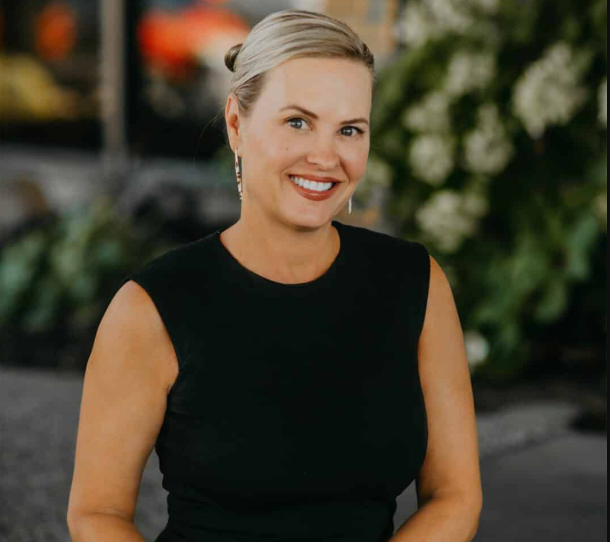
Written by
Founder & CEO, Projected Growth Consulting
Kelly Smith is a med spa business consultant with 20+ years of industry experience and the founder of Projected Growth Consulting. A former 7-figure med spa owner, published author of 5 books, and international speaker, Kelly has helped 6,000+ practices generate over $250 million in additional revenue through proven growth strategies.