Inventory overstock loses value when products expire before they sell.
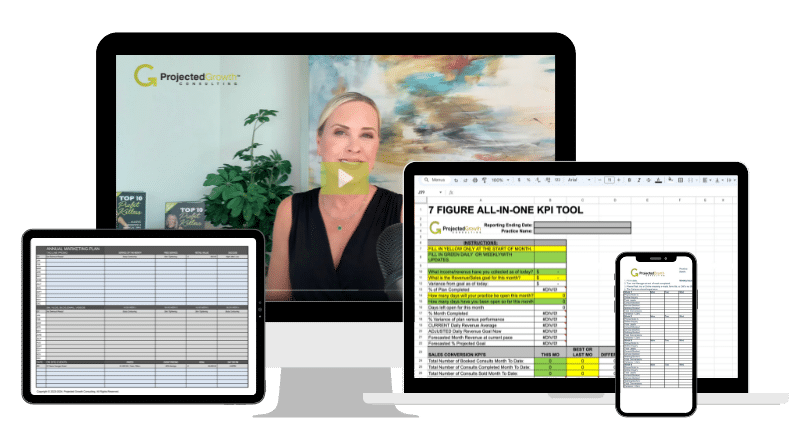
Get practical med spa KPI resources to strengthen your inventory and COGS controls.
These hidden profit killers occur when med spa owners lack systems to track every unit of stock they buy. You need an operations-led strategy to stop the leak and regain control of clinic finances.
Med spa inventory management is the orderly process of tracking, sorting, and improving clinical supplies to cut waste and raise profit for the entire aesthetic clinic. Good systems use ABC analysis to group items by cost value and use rate, ensuring high-price products get oversight and never sit too long on back-room storage shelves. By moving away from manual tracking, owners can prevent common profit killers like overstocking, product expiry, and unrecorded back-bar use that drain clinic cash every single month. According to academic research, sorting inventory with structured plans makes warehouse tasks better and helps practice owners keep their Cost of Goods Sold (COGS) at a low and steady level.
Every bottle of filler and unit of neurotoxin represents a part of your revenue that is either sold or lost. Understanding Why med spa inventory management protects margin is the first step toward building a practice that scales without constant owner intervention. The path begins with
Managing a med spa is a balance between patient care and business math. Many owners focus on sales but forget what they spend. Each box on your shelf is like cash that is not in your bank. If you do not watch your stock, your profit will shrink. Good aesthetic clinic operations turn stock into a tool for growth. When you control your stock, you protect your cash flow. This keeps your practice running well and ready to scale.
Cost of Goods Sold (COGS) is a big cost in a medical spa. It includes the price of tools, toxins, and creams. Many spas face “COGS leakage.” This happens when products go missing or get old. Every bottle of serum that is past its end date is money you can never get back. Waste like this reduces profit and hides the true cost of delivering services.
To stop this, you must track every item from the start. Good Med Spa retail optimization ensures you use your oldest stock first. This “first-in, first-out” way stops items from sitting too long. It also helps you see if stock is being used too fast or taken by staff. Tracking these small parts helps you keep your profit high and your costs low. You can then spend that money on marketing or new staff.
A stockout is more than an empty shelf. It is a missed chance to help a patient and earn money. If a client books a visit and you lack the filler, you lose that sale. You also risk the client going to another spa to get the help they need. This hurts your brand in the long run. It is hard to win back a client once they leave for a rival.
Stockouts often happen when a spa does not have a set way to buy more. You might think you have enough, but a busy week can drain your stock fast. By setting clear reorder points, you can avoid these gaps. This keeps your staff happy. They always have what they need to do their jobs. It also makes sure your patient flow stays smooth and makes money. Clear systems are the best way to keep your Medical Spa business plan on track.
You do not need to buy every product in the same way. Some items have a high cost but are used less. Others are cheap but move fast. Tools like ABC analysis help you group products by their value and use. This allows you to put your time and money where they matter most. It is a key part of smart med spa inventory management.
By using data, you can find the best level for your stock. You do not want too much cash tied up in boxes that sit for months. But you also need enough to stay ready for new patients. Looking at your use rates helps you buy the right amount at the right time. This leads to better cash flow and a stronger business. When you treat your stock like cash, your profit margins can improve. You will find it much easier to pursue your sales goals with discipline.
Great med spa inventory management starts with a solid base. Many owners treat their stock like a closet of tools, but it is a pile of cash. If you do not track each item well, your profit will drop. Clean records help you see where your money goes and how to keep more of it. You can learn more about how to boost your Med Spa retail optimization by fixing these basics first. When your stock data is clean, you can make better choices for your brand.
To grow your spa, you need a set way to name every product. Use the same name for a box of toxins or a vial of filler every time. This stops manual tracking mistakes that lead to bad data. You should also set clear units for each item you buy. This makes sure that your team counts stock the same way during every check. Clear data makes it easy to see what you have on hand at any time. A clean list is the only way to scale your work without stress.
Your team must follow a strict path for every new box that comes in. If one person calls a product a “kit” and another calls it a “vial,” your count will be wrong. This leads to buying too much or running out of what you need. A central list of names keeps everyone on the same page and cuts down on errors.
Not all products have the same value for your spa. You can use a simple sorting system to rank items by how much they cost and how often you use them. This method helps you focus your time on the most vital items in your clinic. Research shows that sorting stock can make your work flow much better. By knowing which items move fast, you can keep the right amount of stock on hand. This keeps you from spending too much on items that just sit on the shelf.
Focus your tightest controls on Group A. These are the items that impact your profit the most. By watching these closely, you stop waste where it hurts your wallet. This plan lets you spend less time on cheap items and more time on the products that drive your sales.
Old or expired products are a big drain on your cash flow. If you do not track lot numbers and dates, you may throw away thousands of dollars in stock. This waste drives up your costs and hurts your bottom line. Better aesthetic clinic operations start with a first-in, first-out rule. This simple plan makes sure that you use older stock before it goes bad. When you track dates well, you save money and keep your clinic safe.
Tracking lot numbers also helps if there is a product recall. You can find the exact items you need to pull from the shelf in seconds. Without this data, you might have to toss your whole stock to stay safe. A solid tracking system protects your patients and your clinic from high risks and lost funds.

A standard plan (SOP) helps your team handle stock without mistakes. It turns med spa inventory management into a simple habit. When you have a clear plan, you spend less time in the storage room. This allows you to focus on your clients and their care. Good systems help you move out of the treatment room so you can scale.
Most med spas have too much of one item and not enough of another. You can use an ABC analysis to group items by cost and how fast they sell. Group A items are your high-cost fillers or toxins. Group B items are mid-priced retail goods. Group C items are low-cost supplies like gauze or gloves. This method keeps your focus on the items that impact your profit the most.
When you know which items are vital, you can order with more care. You will not waste money on stock that sits for months on the shelf. This keeps your cash flow strong and prevents costly waste. A clear sorting plan is the first step toward better control of your money.
Your staff needs a clear list of duties to follow. This removes any doubt about who is in charge of the stock. A good set of inventory management protocols makes your clinic run better. Use these steps to track every product from the back door to the treatment room.
Poor tracking is a hidden profit killer for many med spas. You must connect your aesthetic clinic operations to your money goals. Use your inventory data to find your true cost of goods sold. This data tells you if your profit margins are healthy. If your stock levels stay too high, your cash is stuck on the shelf.
Tracking your stock is a core task that changes your bottom line. Owners who skip this step often see their profits shrink. They struggle with high costs and tracking errors that hurt growth. By using these systems, you take back control of your practice. You can then make better choices based on real data and facts.
A reorder point is the exact level of stock that tells you to buy more. Setting these points correctly is a key part of aesthetic clinic operations. It helps you avoid running out of fillers or skincare products. It also keeps you from tying up too much cash in items that sit on the shelf. Practical reorder points protect your cash flow and keep your practice running smoothly.
To find your reorder point, you must know your lead time. This is the number of days between placing an order and receiving the goods. You also need to know your daily usage rate. Multiply these two numbers to see how much stock you use while you wait for a new shipment. This basic math ensures you have enough product to cover the gap between orders.
Different items have different lead times. A local vendor might deliver in two days, but a specialty laser tip might take two weeks. You should track these times for every major supplier. This data allows you to reduce inventory costs by ordering at just the right moment. Precise timing is better than guessing when to buy more.
A safety buffer is extra stock you keep for emergencies. It protects you if a supplier is late or if you have a sudden rush of patients. Without this buffer, a small delay could force you to cancel high-value treatments. You should set this buffer based on how critical the item is to your daily work. Essential supplies need a larger cushion than optional retail items.
You can use ABC analysis to decide which items need the most focus. This method groups items by their cost and how fast they sell. Fast-moving, high-cost items should have a very clear safety level. High-quality Med Spa retail optimization depends on having top sellers in stock at all times. This prevents missed sales and keeps your profit margins strong.
Fixed reorder points do not work all year. You must adjust your levels for busy seasons or big sales events. For example, you may need more neurotoxins before the holidays. If you do not change your reorder points, you will run out of stock during your busiest weeks. Review your usage data every three months to keep your points accurate as your business grows.
It is also important to watch for trends in patient choices. If a new treatment becomes popular, your usage rates will climb quickly. You should also check for expired products during your regular counts. This helps you find items that are not moving so you can lower their reorder points. Keeping your data fresh ensures your Medical Spa business plan stays on track for long-term success.

Med spa inventory management is more than just counting boxes. It is about using data to protect your profit and scale your team. Without a clear plan, you will lose money to waste and errors. Using cycle counts helps you stay in control of your shelf.
Many owners try to count every item every week. It takes too long and leads to errors. Instead, you can use a method called ABC analysis to focus your time. This system ranks items by their cost and how fast you use them.
A items are high-cost goods that you use often, like toxins or fillers. B items have a mid-range cost and move at a steady pace. C items are low-cost things like gauze or tape that you keep in bulk.
Using these sorting groups helps you spend more time on the products that matter most. You may count your A items every week to keep a close eye on your cash. But you might only check your C items once a month.
This improves your aesthetic clinic operations. It makes the best use of your team’s time and keeps stock at the right levels so you do not overspend on goods that just sit on the shelf.
Old products kill profit. This happens in many med spas. If you buy too much skincare or toxin, you risk losing money. You might lose hundreds of dollars if goods hit their end date before you use them.
For example, when you overstock a popular cream, part of that purchase may expire before you can sell it. This is money down the drain. To stop this, you should follow a First-Expire-First-Out (FEFO) rule.
This means your team puts new stock in the back of the shelf and pulls older stock to the front. Regular checks of these dates help you spot items that are about to go bad. If you see a product is near its end date, you can take action.
You can run a flash sale or use it in a treatment to avoid a total loss. Managing these dates helps keep your costs low. It turns a hidden profit killer into a cost that you can track and control.
Tracking by hand often leads to mistakes that hurt your cash flow. If your team forgets to log a sale or a treatment, your stock count will be wrong. A cycle count is a small, quick check where you count some of your stock.
This helps you find variance. This is the gap between what your computer says you have and what is really on the shelf. These gaps often come from theft, damage, or simple human error.
When you find a gap, you must look into the cause right away. Did a staff member use a vial and not write it down? Was a box of face cream broken when it arrived?
Fixing these issues helps you maintain a solid Medical Spa business plan as you grow. Regular counts make your data more clear. They give you the facts you need to buy only what you must have to keep your spa running well.
A monthly scorecard turns raw data into a clear plan, and it helps you find profit leaks before they grow. For most med spas, high Cost of Goods Sold (COGS) is a major profit killer. You cannot fix what you do not track. A simple sheet helps you see how much cash sits on your shelves, and it shows if your staff uses products correctly. This scorecard is a vital tool for med spa inventory management.
Owners often get stuck in the treatment room, so they do not have time to count boxes every day. A scorecard solves this by giving a fast look at the whole month. It moves the focus from counting to making money. You can see if you bought too much skincare or if a laser tip went missing. This system lets you scale your business with less stress. Using ABC analysis helps you group items by cost. This means you spend more time on the products that cost the most.
Stockouts also hurt your brand, because if a client wants a service and you lack the items, you lose trust. They might go to a different spa. A scorecard tracks these missed sales. This helps you set better reorder points so you never run out. It also keeps your team focused on big goals like aesthetic clinic operations. If your counts are off, you may have a waste problem. Check your data at the end of each month to stay on track. This habit will help you keep your profit margins high.
Use this table to build your first scorecard. Each row helps you find a specific problem in your work flow. You should assign one owner to each task. This ensures the work gets done on time every month.
| KPI | Method | Owner | Review Question | Corrective Action |
|---|---|---|---|---|
| Inventory Value | Sum of stock cost | Manager | Is too much cash tied up? | Stop buying slow items. |
| Monthly Purchases | Cost of new orders | Owner | Are we over budget? | Delay the next order. |
| Usage (COGS) | (Start + Buy) – End | Owner | Is COGS moving outside our internal target? | Check for waste or theft. |
| Expiration Waste | Value of dead stock | Manager | Why did this expire? | Buy less next time. |
| Stockout Count | Out-of-stock items | Nurse | Did we miss a sale? | Raise reorder points. |
| Count Variance | System vs Physical | Manager | Where is the product? | Train staff on logs. |
| Open Purchase Orders | Value of pending POs | Manager | Are these still needed? | Cancel late orders. |
Do not use generic goals for your med spa. Your targets should come from your own past data. Review recent sales and purchasing data to find your norms. When COGS moves outside that internal range, you have a leak to investigate. You may need to update your Medical Spa business plan as your costs change. This keeps your budget true and your profits safe.
Steady habits are key to a good scorecard. You must count your items on the same day every month. If you skip a month, your data will be wrong. This makes it hard to see long-term trends. A steady schedule helps you spot small changes before they become big costs. It also builds a culture of care among your staff. They will know that you value your assets and their time.
You should also track how fast items move. Some products sell in a week while others sit for months. Use these trends to set your reorder levels. This stops you from buying too much at once. It also keeps your cash flow healthy. A well-run scorecard acts like a map for your business. It shows you where you are and where you need to go next.
Last, review your scorecard with your lead staff. They are the ones who use the products every day. Their input can help you find why waste happens. Say, they might tell you that a certain bottle leaks or a pump breaks often. This feedback turns your scorecard into a living tool for growth. It makes each person part of the success of your practice. When all know the numbers, the business grows faster.
A good count is just the first step in med spa inventory management. You must turn those numbers into actions that protect your profit. Many owners get stuck counting items but never look at the data. A monthly review helps you find where money is leaking out of your business. By looking at your stock each month, you can fix small problems before they grow into big losses.
Start your monthly meeting by looking at the gap between your digital records and physical counts. This gap is called a variance. Large variances often point to theft, missed billing, or simple errors in counting. You should also track products that have reached their end date. High waste levels often come from overstocking items that move slowly. Studies show that grouping items by cost and use rate can help you improve how you manage stock.
When you find a variance, do not just fix the number in your system. You need to ask why it happened. Did a staff member forget to log a backbar item? Was a retail sale not entered the right way? Regular audits help you stop these manual tracking mistakes from hurting your bottom line. Focus your time on high-value items first to see the biggest impact on your cash flow.
Data without action is just noise. Once you find the weak spots in your system, give your team clear tasks to fix them. If you have too many expired goods, you might need to change how you order. If counts are always off, you may need a new check-out process for supplies. Setting these tasks ensures that your inventory study leads to real change. This process turns your storage room from a cost center into a source of savings.
Your team should know that inventory is part of their job, not just a chore. When staff see how stock levels affect the business, they take more care with every bottle and box. You can use an inventory scorecard to track these wins over time. This keeps everyone focused on the same goals each month.
Your inventory data should tell a story about your clinic work. High use of a specific filler might mean you need to ask for a better price from the vendor. Low use of a retail line might mean your staff needs more training on how to sell it. By connecting stock data to your key performance indicators, you see the full picture of your practice. This allows you to grow your business with ease.
This monthly rhythm keeps your Cost of Goods Sold under control. When you know your real costs, you can price your services for a healthy margin. Smart management means you spend less time worrying about stock and more time with patients. This level of control sets a busy practice apart from one that makes a high profit.
Many med spas struggle with stock levels that are too high or too low. This leads to waste from old products or missed sales. Manual tracking mistakes are also common. These errors often come from not having live stock data. According to Prospyr, these issues directly hurt your profit. Owners must find these gaps to keep their cash flow high and their shelves neat.
Yes, digital tools help you move away from pen and paper. These systems reduce errors and give you live data on stock levels. Software can also help find the best times to reorder. This keeps your costs low and your service quality high. According to the National Institutes of Health, using tech models can cut drug costs a lot. Using tech allows you to spend more time with patients and less time counting boxes.
Bad tracking is a hidden profit killer for many clinics. Buying too much of one product can lead to big losses if items expire. High cost of goods sold (COGS) often comes from these mistakes. According to Projected Growth Consulting, high COGS and bad tracking are main reasons why med spas fail to grow. Without tight control, you lose money that you could use to expand your shop or hire more staff.
To track stock well, you should count your items on a set schedule. This is often called a cycle count. You can also group items by their cost and how fast they sell. This helps you focus on the most valuable products. According to Terso Solutions, regular counting is a top way to keep control. These systems help you grow your business so you can spend less time in the treatment room.
Skipping your supply costs leads to lost profit from waste and poor stock control. You lose money every day that you do not have a clear tracking system. Every month you wait is more revenue that you can never get back. Your practice may fall behind your local rivals if you do not use these tools to grow. You can gain a clear view of your cash flow and build a more stable business by acting now. Start today to improve your aesthetic clinic operations.
Ready to explore med spa KPI resources? Request a free consultation today to see how our team helps you track your costs, manage your stock, and improve your profit margins with ease.

Written by
Founder & CEO, Projected Growth Consulting
Kelly Smith is a med spa business consultant with 20+ years of industry experience and the founder of Projected Growth Consulting. A former 7-figure med spa owner, published author of 5 books, and international speaker, Kelly has helped 6,000+ practices generate over $250 million in additional revenue through proven growth strategies.