A medical spa that converts under half of its consultations cannot survive rising marketing costs. This low conversion rate wastes expensive patient leads and stalls your practice revenue. Solving this problem needs a clear sales system that your staff can use daily to build trust.
Structured med spa sales training solves this issue by teaching your team a repeatable consultation framework that moves patients from interest to booking. By standardizing your sales process with clinical questionnaires and custom proposals, your treatment coordinators can build authentic relationships and lasting patient trust. This systematic approach, built around a structured consultation script, helps your practice avoid the low conversion rates under fifty percent that stall aesthetic clinics. A disciplined training model also teaches your staff how to discuss pricing with absolute confidence and handle patient objections with care. Implementing these structured clinical protocols allows your clinic to turn basic consultations into a predictable revenue stream and close seventy percent of opportunities.
If your treatment coordinators struggle to convert consultations, you must find and fix the underlying gaps in your clinical approach.
Many med spas fail to grow because they lose clients at the very start. Aesthetic consultation conversion rates below 50% are a main pain point for many med spas and aesthetic clinics. When more than half of your leads walk out without buying, you are losing cash. This gap is often caused by a lack of team prep.
You cannot fix this with more marketing. Instead, you must build a system to guide each guest through their visit. Starting structured med spa sales training is the most direct way to solve this leak. It gives your team a path to follow so they do not have to guess.
When team members lack training, they often feel shy about pricing. They avoid asking for the sale because they fear a “no”. This delay stalls your cash flow and slows practice growth.
Too many clinics rely on one key provider to make every sale. If that person is busy or leaves your clinic, your sales will crash. Structured training shifts your clinic to a team-driven model. This means any team member can guide a client to buy.
Standard systems also build more patient trust. A study published in PubMed shows that using set steps during a consultation leads to more patient satisfaction and long-term loyalty. Standard methods help clients make choices without feeling forced.
A set system keeps client care the same. No matter who does the consultation, the client gets the same great care. This makes your practice easy to scale and ready to expand.
To reach consistent sales, you need a clear blueprint. A high-performing sales process must include five specific steps. These steps are an assessment questionnaire, review of metrics, goal alignment, custom proposal, and structured follow-up. Each step serves to move the client closer to their goal.
The process begins with the assessment form to learn client needs. Next, you review metrics and align your care plan with their goals. You then present a custom proposal with clear pricing. Finally, you use a structured follow-up plan to stay in touch.
Without these steps, your team will fall back on old habits. They might give too many details or rush to pitch treatments. A structured path keeps everyone focused on real patient results.
Many clinic owners think high close rates come from born talent. They search for staff who can talk to anyone. But relying on gut feel is a mistake that keeps your close rates low. When you invest in med spa sales training, you build a system that works every time. You need a process that any team member can run, not a script they must learn by heart.
A top clinic does not leave the patient journey to chance. A study on structured medical consultations shows that a standard process improves trust and patient loyalty. This model helps staff and patients choose treatment together. By setting up this clear path, you turn a hard sales pitch into an ethical medical talk.
To reach a 70% close rate, your team must master Kelly Smith’s five-step framework. This system guides the patient from their first form to their long-term plan. It makes sure every provider on your team gives the same high standard of care. Here are the seven core elements that make this consultation system work.
| Element | Low-Conversion Consultation | 70%+ Consultation System |
|---|---|---|
| Patient intake | No pre-assessment or form | Detailed health and goals questionnaire |
| Metrics review | Provider relies on memory | Staff reviews past spend and treatment history |
| Goal setting | Provider assumes what patient wants | Collaborative goal alignment conversation |
| Value delivery | Features and pricing listed | Educational explanation of treatment benefits |
| Treatment proposal | Single price quote | Custom plan with membership integration |
| Objection response | Defensive or dismissive | Empathetic exploration of concerns |
| Close | Vague “let me know” | Structured next-step commitment |
Once you set up this system in your daily clinic, you can apply it to your marketing events. Many practices struggle to close deals during open houses. But using a structured method changes the dynamic. When you run a structured event-driven conversion strategy, your team can hit conversion rates as high as 75% in a single day.
This system is not about high-pressure selling. Instead, it is about giving patients the clear facts they need to make safe choices. Setting up this standard path ensures your team performs at their best. It makes the entire consultation feel natural for the patient. You will stop guessing why some days are slow and start growing your revenue with confidence.
When a patient raises a concern, it is not a flat rejection. It is a request for more information. Many clinics struggle with low close rates because they treat objections as roadblocks to push past. High-pressure tactics do not work in aesthetic medicine.
They damage client trust and destroy potential long-term loyalty. Elite med spa sales training teaches teams to treat these moments as a natural part of the clinical conversation. Your staff must learn to find the root cause of every patient doubt without causing friction.
Most patient doubts cover four areas. These are price, value, trust, and timing. When teams do not know how to address these barriers, they often freeze or pull back.
A high-empathy approach solves this issue. It focuses on working together to solve problems instead of hard selling. Your staff must act as expert guides.
They should help patients navigate their concerns rather than trying to beat them in an argument. This method keeps the focus on patient care and builds deep trust from the start.
Your team needs exact language to handle common objections. Train your staff to use these simple, direct phrases for each case.
Ethical communication is vital in cash-pay aesthetics. A structured consultation framework helps patients make active choices about their care. It gives the provider a clear pathway to assess treatment risks and benefits side-by-side with the client.
A clear system helps align clinical goals with what the patient expects. When you teach the patient instead of pitching a service, you remove the sales pressure. This clinical approach makes buying a logical next step for the client.
Many clinics invest in med spa sales training but still lose sales because they fail to follow up. Data from The Novak Group shows that 58% of sales reps quit after only one contact attempt. While only 15% of reps follow up five or more times, those top reps bring in 75% of all business. This is why a clear follow-up plan is vital.
Structured follow-up is not just about making a sale; it is part of a trusted care model. A study in PubMed shows that standard care models build trusting bonds between patients and staff. This trust makes patients happy and keeps them coming back. When your team follows up, they show real care, which builds trust.
A structured timeline helps your team touch base with patients at the right times without being pushy. This simple plan ensures that every lead gets steady care.
To run this model, your team must use a CRM system. Staff must log every call, text, and email to ensure no lead is forgotten. Linking your follow-up data to your system for tracking sales performance helps you spot gaps. Good sales team training teaches your staff that follow-up is the key to steady practice growth.
Many practices fail to grow because they do not track their results. In fact, consultation conversion rates below 50% are a major pain point for most med spas. Setting a clear standard for consultations is the first step to fix this issue. A structured medical consultation model builds patient trust. This approach leads to happier patients and long-term loyalty, as documented in this clinical study. When you track the right data, you can spot exactly where your sales process is failing.
To build a strong practice, you must track six key metrics. These numbers show how well your staff performs at each stage.
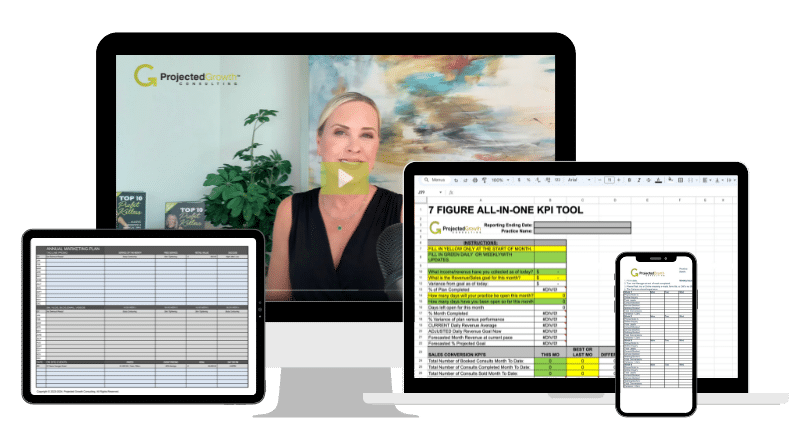
You do not need complex systems to start tracking these numbers. You can build a simple KPI dashboard using tools like Zenoti, PatientNow, or even Google Sheets. The key is to input your data daily. This daily habit prevents errors and keeps your team focused on their goals. For a full guide on setting up your dashboard, read our article on tracking sales performance. A visual dashboard makes performance gaps clear to everyone.
Once you track your metrics, you must connect them to your team training. To keep results consistent, your sales training must align team compensation planning, clear position descriptions, SOPs, and performance metrics. If your team does not know how they are measured, they cannot improve. Give each worker a clear role and show them how their metrics impact their pay. Weekly sales team training ensures that every team member uses the same high-performing methods.
A great team does not happen by chance. It needs a clear structure and a plan. Your sales team training system must cover position descriptions, comp planning, SOPs, and performance metrics to drive steady results. Without this base, new hires will struggle to meet goals, and your sales will stall.
This training must also set standards for how your staff talks to patients. Using a standard review process ensures steady care. Indeed, research shows that a structured medical model in aesthetic visits leads to greater patient satisfaction and long-term loyalty. It turns the visit from a stressful sales pitch into a helpful, ethical chat.
To get these results, you need a set schedule. This cadence guides your team from their first day to their annual review. Follow these five simple steps to build a high-performing team today.
Investing in proper med spa sales training does not just improve team skills. It directly drives practice sales. When you build a clear, ongoing training schedule, your team knows fully what you expect of them on every single shift. Steady training removes guess work and builds a strong work culture.
Standard systems yield fast, proven results. In fact, PGC clients often see huge business growth, with an average 30% increase in 90 days, by using standard systems and sales methods. By setting up this cadence, you secure the same growth path for your practice. You can scale your business with total peace of mind.
Staff training helps by standardizing the patient consultation process. According to Projected Growth Consulting, many med spas face consultation conversion rates below 50 percent. Standardized sales training teaches teams to use a clear assessment, handle objections, and present structured proposals. This process builds trust and helps clinics lift conversion rates.
Front desk sales training focuses on turning inquiries into booked treatments. It covers position descriptions, clear scripts, and performance metrics. According to Projected Growth Consulting, team training must also cover standard operating procedures. This ensures your staff knows how to handle calls, collect client data, and set up consultations.
Standardizing consultations helps by placing patient needs first. Using clear steps helps the provider assess the risks and benefits of each treatment. According to research on PubMed, this structured decision-making process helps patients make informed choices. It builds a trusting relationship and leads to greater patient satisfaction and long-term loyalty.
To improve your sales conversion rate, your team needs structured sales methodologies. Standardized systems ensure that every lead is handled with the same high level of care. According to Projected Growth Consulting, practices that use these systems average a 30 percent increase in sales within 90 days. This growth comes from setting clear goals and tracking performance.
Each week you delay structured training, your team misses key leads and leaves revenue on the table. A poor sales process frustrates your staff and drives new guests to other spas. Without a clear plan, your team cannot close deals or build trust with guests. Setting up a proven sales system today ensures your team can guide guests to buy with ease. Training your team gives them the exact script to handle price questions with confidence. Our clients grow by an average of 30% in their first 90 days with our help.
Ready to grow your med spa? Book a call today to schedule a free strategy call with Kelly Smith.
Written by
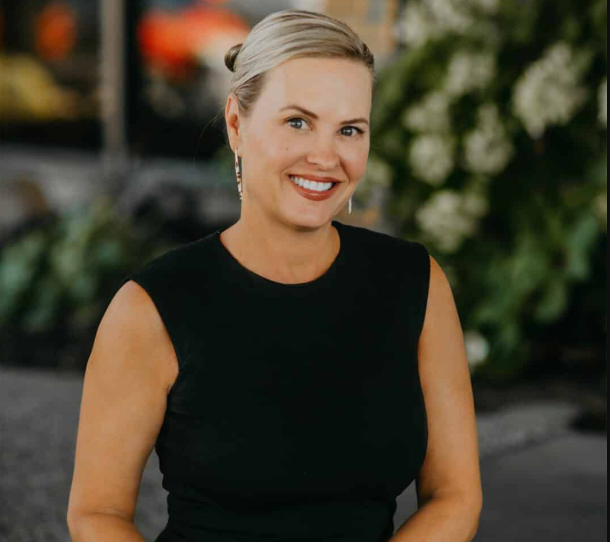
Founder & CEO, Projected Growth Consulting
Kelly Smith is a med spa business consultant with 20+ years of industry experience and the founder of Projected Growth Consulting. A former 7-figure med spa owner, published author of 5 books, and international speaker, Kelly has helped 6,000+ practices generate over $250 million in additional revenue through proven growth strategies.