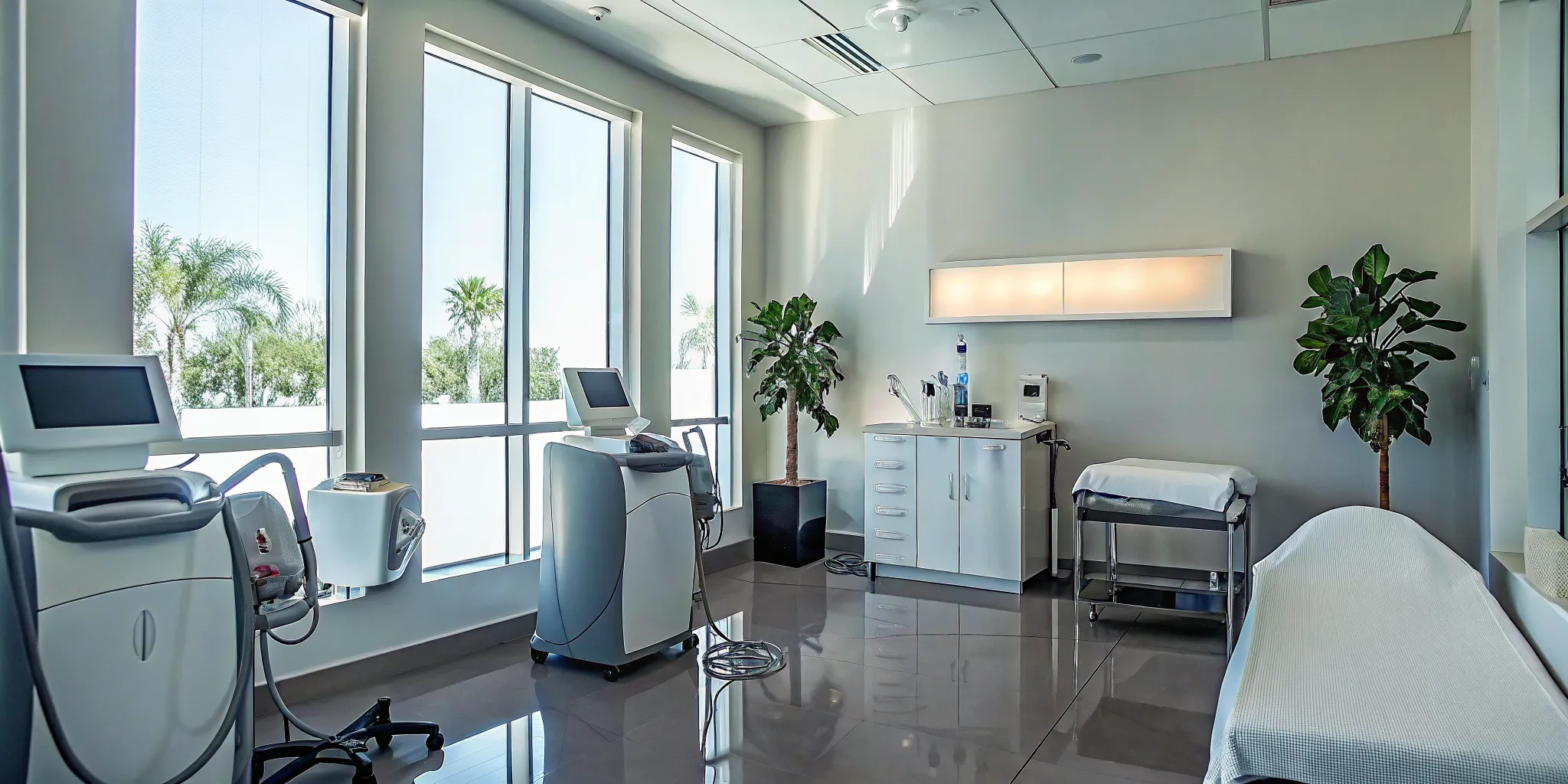
California boards are actively closing medical spas that ignore the corporate practice of medicine rule. This $26 billion industry offers huge growth. But only owners who follow strict state laws can stay open for the long term.
Learning how to open a medical spa in California means forming a professional corporation (PC) owned at least 51 percent by a doctor. The state strictly enforces the corporate practice of medicine rule. Non-physicians cannot own the medical side through an LLC. Most owners use a Management Services Organization (MSO) for office tasks while the PC delivers medical services like Botox and laser treatments.
You must hire a California-licensed doctor as medical director to oversee all clinical work. As stated by the Medical Board of California, patients must get a good faith exam from a trained provider before treatment starts. This setup keeps your med spa legal as the global market grows toward $26.2 billion by 2026.
Navigating these rules is hard. Our How to Open a Med Spa: Startup Checklist helps you avoid traps that lead to state audits. You must understand the specific reasons California’s medical spa laws are different before you sign a lease.
The path begins with understanding.
California stands apart when you look at medical spa laws. The rules are strict. The state follows a rule called the Corporate Practice of Medicine. This rule means that only doctors can own a medical clinic. Because most med spa tasks are medical acts, this rule changes how you set up your shop. If you plan to learn how to open a medical spa in California, you must follow these laws closely.
The state uses this rule to keep patient health first. It stops big firms or non-doctors from making medical choices for profit. The Medical Board of California says a doctor must lead the clinical side. This means a nurse or a business owner cannot own a clinic alone. You cannot just use a “paper” director who never shows up. The state requires the doctor to be active. They must watch over the staff and make sure all care is safe. If the doctor is not involved, the state can shut you down.
One big shock for new owners is the type of business they can start. In the state, non-doctors cannot use an LLC for the medical side of the spa. You must use a Professional Corporation instead. By law, at least 51 percent of that firm must be owned by a doctor. This keeps the medical power in the hands of a trained expert. Business owners can still help, but they cannot own the clinical half. This split is what makes this state so different from others.
The state is not just making rules; it is enforcing them. In 2026, the state Attorney General settled a major case with Carbon Health. The state said their business model crossed the line of CPOM rules. This settlement sent a clear message to all med spas. The state is watching how you set up your firm. New laws like AB 1415 and SB 351 also add new layers of medical spa rules. These laws make it clear that you must have a real medical lead who is licensed in the state.
| Factor | California | Most Other States |
|---|---|---|
| Clinical entity | Professional Corporation (PC) only | LLC or PC allowed |
| Physician ownership | At least 51% of PC must be doctor-owned | Varies; some states allow 0% |
| Business structure | MSO-PC dual-entity required | Single entity often allowed |
| Non-physician ownership | Can own MSO but not PC | Full ownership in some states |
| Medical director | Active supervision required, no paper directors | Varies by state board |
| Enforcement trend | AG actively auditing (2024-2026) | Growing but less aggressive |
This table shows why you cannot use a one-size-fits-all approach. What works in Texas or Florida will not work here. You must build your California practice under the right legal model from the start.
If you do not follow these rules, the risks are high. The Medical Board and the Attorney General can file charges. You could lose your business license or face huge fines. Many owners try to take shortcuts to save money. But here, a shortcut often leads to a legal mess.
You must set up an MSO-PC model from the start. This model lets you run the business while a doctor leads the care. It is the only safe way to stay in business for a long time. You need to make sure your contracts are solid and follow every state code.
Most medical spa services involve the practice of medicine under California law. Because the state strictly enforces the Corporate Practice of Medicine (CPOM) doctrine, non-physicians cannot own a clinical entity. A single business setup, like a standard LLC or sole proprietorship, will not work for the clinical side of your practice. Instead, you must use a dual-entity model to stay compliant while you build a profitable brand.
In California, only a Professional Corporation (PC) can hire medical staff and bill for clinical care. If a business person who is not a doctor tries to own a clinic directly, they risk big fines and shutdown orders. The law protects patients by making sure doctors, not business owners, make medical choices. To bridge this gap, you separate the clinical work from the business side. This split lets you own the business while a doctor owns the medical entity.
The first step is to form a Professional Corporation. According to California Corporations Code § 13401.5(a), at least 51% of the PC must be owned by a licensed physician. Other health professionals, like nurses or physician assistants, can own the other 49%. This entity holds the medical malpractice insurance and signs the work contracts for your staff.
As the business owner, you typically form a Management Services Organization (MSO). This can be a standard LLC or C-Corp. The MSO does not practice medicine. Instead, it owns the real estate, buys the equipment, and handles the marketing. It sells these business services to the PC for a fee. This way, you can build value and control the business growth without stepping into the clinical lane.
If your structure is wrong, you face more than just a fine. The state actively checks med spas for compliance issues. A bad setup can lead to the loss of your license or even criminal charges for the unauthorized practice of medicine. You must work with experts to ensure your medical spa regulations are followed from day one. Do not cut corners on your legal foundation.
Every medical spa in California must have a medical director to lead the clinical side. This person must be a doctor with a valid state license. They stay in charge of all medical work at your spa. Without a licensed doctor in this role, your business cannot run legally in the state. This rule keeps patients safe and makes sure all care meets high state standards.
The Medical Board of California has strict rules for doctors. They do not allow “paper medical directors.” This is when a doctor takes a fee but does no real work for the spa. State law says this is not enough. A director must give real care and check on the staff often. If you use a doctor who is not active, you risk big fines or closing your doors.
Real care means the doctor is part of the work each day. They must set the rules for how staff give treatments to patients. They also need to check that the team follows these steps at all times. This level of care is a key part of medical spa laws in the state. Following these rules helps you build a 7-figure practice that lasts for years.
A medical director does more than just watch the staff. They are in charge of every patient’s safety. They must review how the spa handles new cases and check health records. They also make sure the staff has the right skills for every job they do. This helps the spa avoid mistakes that could hurt someone or lead to a lawsuit. A good leader keeps your risk low as you grow your revenue.
Your director also helps you choose the best tools and training for the team. They guide the staff on what treatments to offer and how to do them well. This help is vital for a profitable and compliant business. When the clinical side is strong, you can focus on the growth of your brand. A good partner in this role makes the daily work much easier for everyone involved.
Finding the right doctor is a major task for any new owner. You need someone who knows the field of beauty and skin care. They should have a clean record with the state board. It is also good if they know how to work with an MSO model. This knowledge helps you set up the right way from day one. A vetted leader is the base of a safe and legal practice.
Take your time to find a leader who shares your goals for the spa. Talk to them about how much time they can give to the team each week. Make sure they are ready to be active and help your staff grow their skills. This choice will affect your success for a long time. Following the right medical spa regulations will help you reach your goal of sustainable growth and high profits.
Registered nurses (RNs) are the core of many medical spas. They give most of the hands-on care your clients see. But as you learn how to open a medical spa in California, you must know the strict limits on what an RN can do. Breaking these rules puts your practice at risk. The state can shut you down for one small error in staff roles.
In California, every patient must have a good faith exam before their first care step. This is a hard legal rule. An RN cannot perform this exam. Only a doctor, a nurse practitioner (NP), or a PA can do it. The Medical Board of California enforces this to ensure a doctor-level check happens before any skin care starts.
A study of 63 medical spas found that 73% of shots were done by non-doctors. This high stat shows why your staff plans must be clear. If an RN gives a shot before an MD, NP, or PA sees the patient, your spa is breaking the law. This is a top cause for fines and lost licenses in the state now. You must have a doctor or nurse on site or via video for every new client.
After a patient gets their first exam, an RN can help. However, they cannot just pick up a syringe. They must follow what the law calls standardized procedures. These are written rules that tell the RN how to do their job. Under B&P Section 2725 and 16 CCR Section 1474, these rules must be clear and signed by the lead doctor. They act as the bridge between the doctor’s orders and the nurse’s hands.
Standardized procedures let an RN do tasks like Botox, fillers, and laser work. Without these written paths, an RN has no power to give medical care. You must keep these papers in your office. You should also update them each year to stay safe. This makes sure you follow all state laws. RNs cannot prescribe drugs or choose which brands to use. They only carry out the plan set during the first exam.
State boards are now hunting for spas that cut corners. The Attorney General and the Board of Registered Nursing are very active. They check for “paper medical directors” who do not really lead. They also look for cases where an RN acts as a doctor. This is called the illegal practice of medicine. It can lead to jail time or big fines for the owner.
Running a clean practice means watching every step your staff takes. You must make sure your RNs work only within their scope. This protects your hard work and your patients. A clear plan for staff roles is the best way to build a 7-figure practice that stays open and grows. If you want to build a safe team, book a call to learn more.
Opening a medical spa in California takes more than just a local business license. You must manage a set of state and city permits that govern how you work and who you treat. Most owners start with a business tax certificate in their home city. But the core of your work rests on professional medical spa laws and state board rules. These rules ensure that medical care is safe and meets high standards.
Since med spa services are the practice of medicine, your clinic must register with the state. This means your professional corporation must follow rules set by the Medical Board of California. The board gives clear guidance on how to run a spa to stay within the law. You should also check that every provider has a valid license from their own board. This includes the Board of Registered Nursing for all staff nurses.
Your physical site needs its own set of checks before you open your doors. You must get a fire department permit and a health department permit for the space. OSHA rules also apply to any site that handles medical waste or sharps. To stay safe, you need a clear plan for how you store and get rid of biohazard waste. Using a medical spa regulations guide can help you track these vital steps.
Federal laws like HIPAA add another layer to your daily work. You must have systems that keep patient data private and secure. This includes how you take notes, store photos, and talk to clients online. Failure to follow these rules can lead to large fines and a loss of trust. You must also ensure your site meets ADA standards for access. California requires multiple licenses and permits for any new site, so you must plan for these costs in your budget.
Opening a medical spa in California needs more than just a talent for beauty. You must build a business that is both safe and follows strict state laws. At Projected Growth Consulting (PGC), we help you set up a strong business from the first day. We have helped over 6,000 practices reach their goals. Our clients have made more than $250 million in total sales by following our path.
Success starts with the right partner. PGC founder Kelly Smith has over 20 years in the medical aesthetics field. As a former owner of a large med spa, she knows the hurdles you face. She has written five books on the trade, such as Top 10 Profit Killers for Plastic Surgeons and Medical Spas. Her deep knowledge helps you avoid the common traps that sink new clinics.
Our Business Startup Program gives you the tools to launch with ease. We provide a custom business plan and full financial plans. You get more than 10 hours of direct coaching and 25 to 50 hours of work from our team. This program covers everything from equipment choice to hiring plans. It is the smart move to make before you try to follow the rules of the Medical Board of California on your own.
A solid plan is your best defense against risk. Many owners fail because they do not understand their numbers or the law. Our team ensures you have a clear roadmap for growth. By learning how to open a med spa with the right base, you protect your investment. We focus on building an asset that lasts. You can also see our guide on how to start a med spa in 2026 to stay ahead of the curve.
Starting a California med spa usually costs between $150,000 and $1,000,000. Your total spend depends on your site location, medical tools, and legal fees. A small shop may start near $200,000, but high-end spots need much more. According to Vagaro, even a small clinic needs $75,000 to $200,000 just for the basics. You should also save enough cash to pay your bills for six months while your patient list grows.
Registered nurses cannot fully own a medical spa in California. State law says a doctor must own at least 51 percent of the medical business. Nurses can own up to 49 percent of that same group. According to Pabau, many nurses choose to start a management company instead. This company handles the business side while a doctor-led group manages clinical care. This setup keeps the spa legal under strict state rules.
Yes, California law needs every med spa to have a medical director who holds a state medical license. This doctor must lead the clinical side and watch over all medical care. You cannot use a ‘paper’ director who just takes a fee and never shows up. According to the Medical Board of California, the doctor must set clear rules for all staff. This ensures that every patient gets safe and proper care from qualified professionals.
A non-physician can start a med spa business by using a management services model. In this setup, you own a company that handles the desk work, marketing, and rent. You then partner with a doctor who owns the medical side of the practice. According to Bay Area Health Law, this MSO plan lets you run a business while following state medical laws.
You can offer mobile Botox in California, but you must still follow all state laws. A doctor or physician assistant must perform a medical exam before the first shot. The nurse who gives the treatment must work under the lead of a licensed doctor. According to the Medical Board of California, you must also have a physical home base for your medical files and supplies to stay legal.
Opening a medical spa in California carries high risks if your business is not legal from day one. Failing to set up your MSO and PC the right way leads to high fees and state fines.
These delays can stall your practice for many months while you fix costly mistakes. You need a solid base now to protect your medical license and grow in this tough market. Working with an expert helps you skip these traps so you can start your new clinic with ease.
Taking the right steps today will save you time and money as you build your brand.
Ready to book? Schedule a consultation to book a free success call to discuss your California med spa startup.

Written by
Founder & CEO, Projected Growth Consulting
Kelly Smith is a med spa business consultant with 20+ years of industry experience and the founder of Projected Growth Consulting. A former 7-figure med spa owner, published author of 5 books, and international speaker, Kelly has helped 6,000+ practices generate over $250 million in additional revenue through proven growth strategies.