Does your marketing spend feel more like a gamble than a strategic investment? You’re not alone. Many medspa owners pour money into social media ads, email campaigns, and local events without a clear way to connect that spending to the number of appointments on the books. This reactive approach leads to wasted resources and a constant feeling of uncertainty. A great medical spa marketing budget template changes all of that. It’s a strategic tool that forces you to connect every dollar to a specific revenue goal, giving you the clarity to make profit-driven decisions. This guide will show you how to use one to stop guessing and start building a predictable growth engine for your practice.
Think of a medspa marketing budget template as a financial roadmap for your practice’s growth. It’s much more than a simple spreadsheet listing expenses. It’s a strategic tool that connects every dollar you spend on marketing directly to a specific revenue goal. This simple shift in perspective moves your marketing from a cost center to a powerful profit driver, ensuring your efforts are always aligned with your financial objectives. Instead of making reactive decisions like, “We should probably be on TikTok,” a budget template forces you to ask, “How much revenue will a TikTok campaign generate, and what will it cost to achieve that?”
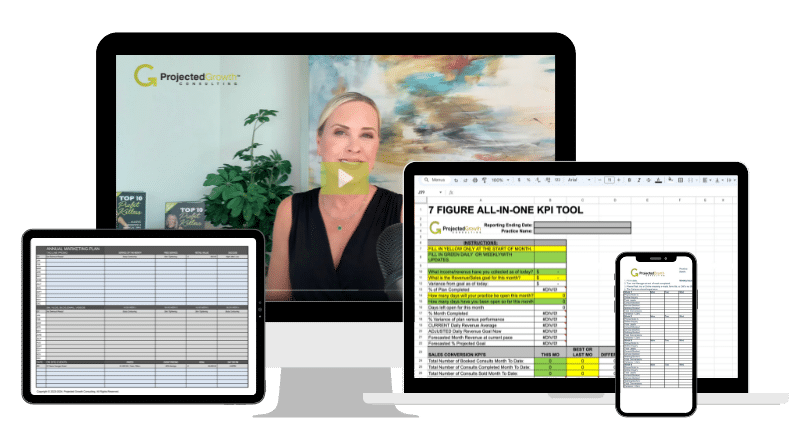
A well-designed template provides a comprehensive framework for your entire marketing strategy. It’s where you’ll outline your revenue and patient goals, allocate funds to specific channels like social media ads or email marketing, and plan your campaigns on a quarterly calendar. It also includes a dashboard for your key performance indicators (KPIs), so you can see exactly what’s working and what isn’t. Our 7-Figure All-In-One KPI Tracking Tool is built to give you this exact visibility. Because every medspa is unique, a good template is also fully customizable, allowing you to adjust your plan based on your specific services, local market, and business stage. It gives you the structure to be strategic and the flexibility to adapt. A strong medical spa consulting strategy connects budget planning to the operating systems that turn campaigns into booked consultations. Pair this template with our digital marketing for medical spas guide for channel-level execution.
One of the most common questions we hear from practice owners is, “How much should I actually be spending on marketing?” While there isn’t a single magic number that fits every medspa, there are clear, industry-standard benchmarks you can use to build a smart budget. Thinking of your marketing spend as a percentage of your revenue is the best way to approach this. It turns marketing from a random expense into a predictable investment in your practice’s growth.
Your ideal percentage will depend on your business stage, competitive landscape, and growth goals. The key is to move away from guessing and start using a data-informed approach. By setting a clear budget, you can make strategic decisions and track your return on investment. A great first step is to gain visibility into your numbers with a KPI tracking tool so you can connect your spending to real results.
If your practice is established and has a steady flow of clients, a good marketing budget to aim for is between 5% and 10% of your total revenue. This investment level is designed to maintain your current market position, keep your brand top-of-mind, and ensure a consistent stream of new patient inquiries. It covers the costs of staying visible and engaging your existing audience. If you operate in a highly competitive area or are looking to aggressively launch a new service, you might consider pushing that budget closer to 15%. This gives you the resources to defend your market share while also funding new growth initiatives, like building a stronger recurring revenue program.
For new medspas, the initial marketing investment needs to be more aggressive. Plan on allocating between 10% and 15% of your projected revenue to marketing during your first one to two years. This higher percentage is crucial for building brand awareness from the ground up. You are essentially buying momentum and market share. This budget will fund the essential activities needed to introduce your practice to the community, attract your first core group of patients, and establish your reputation. Think of it as a foundational investment in your long-term success. As your practice matures and revenue becomes more predictable, you can gradually adjust this percentage down. Our Business Startup Program is designed to help you navigate these early decisions.
Your marketing budget shouldn’t be a static number you set once a year. It should be a dynamic tool that adapts to your practice’s evolving needs and opportunities. Several factors will require you to adjust your spending. For instance, your growth stage is the biggest driver; new spas spend more to acquire customers, while mature spas spend to retain them. Your local market also plays a huge role. If new competitors open up nearby, you may need to increase your budget to maintain visibility. Seasonality is another key factor; plan to invest more ahead of peak seasons like pre-summer or the holidays. Finally, your own goals matter. If you’re planning a big promotional event, you’ll need to allocate specific funds to make it a success.
A smart marketing budget template is more than just a spreadsheet of expenses. It’s a strategic document that connects every dollar you spend to a tangible business outcome. Think of it as the operational roadmap for your practice’s growth. Without a clear structure, it’s easy to spend money on marketing activities that feel productive but don’t actually move the needle on revenue. A comprehensive template should be built around five core components: your revenue goals, channel-specific spending, a campaign calendar, your key performance indicators (KPIs), and a section for review and adjustments. Together, these elements transform your budget from a simple expense tracker into a powerful tool for making informed, profit-driven decisions.
Before you decide where to spend your money, you need to define what success looks like. Your marketing budget should start with clear revenue and patient acquisition goals. A good plan connects every dollar spent to a specific revenue target. Instead of just saying, “we need to be on TikTok,” you should be asking, “how much revenue do we want to generate this quarter, and how many new patients do we need to hit that number?” This goal-first approach provides the “why” behind your spending and gives you a benchmark to measure against. You can define your revenue targets by treatment, provider, or for the practice as a whole, creating a clear destination for your marketing efforts.
Once you have your goals, it’s time to decide how you’ll allocate your funds to achieve them. This is where you break down your total marketing spend by channel. Profitable medspas typically invest 8% to 12% of their gross revenue into marketing, though newer practices may need to spend more to gain traction. Your template should have line items for each channel, such as Google Ads, social media, email marketing, and local SEO. A smart approach is to focus your budget heavily on high-intent channels like Google Ads first, then support those efforts with brand-building and lead-nurturing activities on Facebook and Instagram. This ensures you’re capturing immediate demand while also building a long-term audience.
Timing is everything in the aesthetics industry. Your marketing budget template should include a campaign calendar that aligns your promotions with seasonal demand and patient interests. The medspa business changes with the seasons, so it’s best to plan your promotional calendar quarterly instead of annually. This allows you to be agile and responsive. For example, you can plan for “summer-ready” body contouring campaigns in the spring, back-to-school skincare specials in late summer, and gift card promotions around the holidays. Mapping these campaigns out in your budget ensures you allocate funds for specific initiatives at the times they will be most effective.
A budget is useless without a way to measure its impact. Your template needs a section dedicated to tracking Key Performance Indicators (KPIs) that show whether your investment is paying off. It’s critical to focus on numbers that lead directly to booked appointments and revenue, not vanity metrics like likes or impressions. Important KPIs to track include cost per lead, cost per booked appointment, lead-to-appointment conversion rate, and patient lifetime value. When you track the right metrics, you can see exactly which channels and campaigns are driving real business growth, allowing you to make data-backed decisions about where to invest next.
Finally, a marketing budget should be a living document, not something you create once and file away. Your template must include space for notes from regular performance reviews. A plan is useless if you don’t check it regularly, so set aside time each month to analyze your results. During these reviews, you should check what’s working, move money from less effective tactics to more effective ones, and identify opportunities for improvement. This iterative process of analysis and optimization is what turns a good marketing plan into a great one. When you regularly review your performance, you ensure your budget stays aligned with your goals and that you are always maximizing your return on investment.
Once you know your total marketing budget, the next question is where to spend it. Spreading your budget evenly across every possible channel is a common mistake that dilutes your impact and makes it difficult to see what’s truly working. A smarter approach is to allocate your funds based on specific goals, creating a balanced portfolio of marketing activities. Some channels are excellent for capturing immediate bookings from people ready to buy now, while others are better for building your brand and nurturing long-term patient relationships.
Think of your marketing channels in tiers. The first tier should focus on capturing existing demand, meaning people who are actively searching for the treatments you offer. These are your workhorses for generating immediate revenue. The second tier is about creating future demand and retaining the patients you already have. This is where you build loyalty and ensure your practice has a steady stream of clients over the long haul. By assigning a percentage of your budget to each tier, you create a strategy that delivers both short-term revenue and sustainable growth. This approach ensures you’re not just spending money, but investing it where it will generate the strongest return.
When you need to fill your schedule, focus on channels that capture active demand. A good rule of thumb is to dedicate 40-50% of your marketing budget here. These are your direct booking engines, primarily Google Ads and local search engine optimization (SEO). When someone searches for “Botox near me,” you want your practice to be at the top of the results. These channels put you directly in front of high-intent prospects at the exact moment they are looking to make a purchase. You can measure the direct impact of these campaigns with a good KPI tracking tool, which often shows that Google Ads delivers a higher return than social media for immediate bookings.
While direct bookings are essential, long-term growth comes from building relationships and staying top-of-mind. Plan to allocate around 25-35% of your budget to these efforts. This category includes email marketing, social media content, and patient loyalty programs. These channels allow you to nurture leads who aren’t ready to buy today and encourage repeat business from your existing patients. Investing in a strong CRM and email marketing system helps you automate communication and build a community around your brand. This is how you turn one-time clients into loyal advocates for your practice, which is a core part of our MedSpa Growth Accelerator program.
Your marketing allocation isn’t set in stone; it should evolve with your business. A new medspa needs to invest heavily in building brand awareness and may spend 10-15% of its revenue on marketing. In contrast, an established practice with a strong reputation might spend 5-10% to maintain its market position and focus more on patient retention. It’s also wise to review your budget quarterly rather than just once a year. This allows you to adapt to seasonal trends, double down on what’s working, and pull back on underperforming channels. For new owners, our Business Startup Program provides a framework for creating a budget that aligns with your initial growth phase.
A template is a fantastic starting point, but it’s the thinking you put into it that drives results. A great budget isn’t just about tracking expenses; it’s a strategic roadmap that connects your spending directly to your growth goals. By following a structured process, you can turn your budget from a simple spreadsheet into a powerful decision-making tool. Let’s walk through the five essential steps to make your marketing budget work for your practice.
Before you can decide where you’re going, you need to know where you are. Your revenue baseline is your starting point. A good plan connects every dollar spent to a specific revenue goal, so you need a clear picture of your current performance. Look at your total sales from the last quarter and the last year. This helps you set realistic targets for the coming months. A detailed KPI tracking tool is perfect for this, as it allows you to see exactly where your money is coming from, where it might be leaking, and what needs your attention first. This financial visibility is the foundation of a smart marketing budget.
Once you have your baseline, it’s time to decide what percentage of your revenue to reinvest into marketing. As a general rule, successful medspas typically spend about 5% to 10% of their total revenue on marketing. However, this isn’t a one-size-fits-all number. If your practice is newer or you’re in a highly competitive area, you may need to invest more, somewhere in the 8% to 12% range, to gain traction and build brand awareness. Don’t be afraid to start at the higher end if you’re in a growth phase. The key is to choose a percentage that feels sustainable but is aggressive enough to help you reach your goals.
With your total budget decided, the next step is to allocate it across different marketing channels. The biggest mistake practice owners make is spreading their budget too thin across too many platforms. Instead, focus your resources on the channels that deliver the best results for your specific goals. For many medspas, this means prioritizing platforms like Google Ads for high-intent clients and then dedicating a portion to Facebook and Instagram for brand building and community engagement. If you want to get more strategic, a dedicated course can help you build a social media approach that turns content into actual bookings.
The aesthetics business ebbs and flows with the seasons, and your marketing plan should, too. Think about the services that are most popular at different times of the year. You might want to increase your ad spend for body contouring services in the spring or promote laser treatments in the fall and winter when clients have less sun exposure. Your budget should be flexible enough to accommodate these shifts. Planning for high-production sales events around key holidays or seasons is another great way to create large revenue days. A well-structured events program can become a repeatable system for boosting visibility and sales.
A marketing plan is a living document, not a set-it-and-forget-it file. It’s useless if you don’t check in on it regularly. To make sure your budget is working, schedule time to review your performance. A great habit to build is setting aside 90 minutes on the first Monday of every month to review your marketing metrics. This dedicated time allows you to see what’s working, what’s not, and where you need to make adjustments. This discipline is what separates struggling practices from thriving ones. It’s the kind of operational rhythm we instill in our MedSpa Growth Accelerator clients to ensure they are always making data-driven decisions.
A smart marketing budget is not about how much you spend, but how you spend it. Throwing money at every new marketing trend is a quick way to drain your resources with little to show for it. Instead, the goal is to make strategic investments in channels that deliver a measurable return and contribute to the long-term value of your practice. Think of it as building a diversified portfolio; some investments will provide quick returns, while others will grow steadily over time to become your most valuable assets.
This approach moves you from a reactive mindset, where you’re constantly chasing the next patient, to a proactive one, where you are building a predictable system for growth. Each dollar should have a job, whether it’s capturing immediate demand, nurturing your existing patient base, or building your brand’s authority in the market. The following channels represent some of the smartest investments you can make to ensure your marketing budget works as hard as you do, driving both immediate bookings and sustainable, scalable growth.
Paid advertising is your tool for capturing immediate attention and driving traffic. A good starting point for an established practice is dedicating 5% to 10% of your revenue to marketing, with a strategic split between platforms. Google Ads is essential for capturing high-intent clients who are actively searching for the services you offer. When someone searches “microneedling near me,” you want to be the first result they see. On the other hand, paid social media ads on platforms like Facebook and Instagram help you build brand awareness and create demand. You can use them to showcase your beautiful results, educate potential clients, and run targeted promotions to specific demographics. A balanced approach ensures you’re not only winning today’s clients but also building your brand for tomorrow’s. Our Social Media for the Elective Industry Course can help you turn your content into actual bookings.
While paid ads offer immediate visibility, Search Engine Optimization (SEO) is your long-term play for sustainable, free leads. It can take several months to see results, but a well-executed SEO strategy can become your most powerful patient acquisition channel. The foundation of this strategy is local SEO, which means optimizing your online presence to appear in local search results. Your Google Business Profile is the centerpiece of this effort. A complete and active profile, filled with high-quality photos, service details, and a steady stream of positive patient reviews, builds immense trust and credibility. For practices with smaller budgets, focusing your energy on local SEO and review generation is one of the most cost-effective marketing activities you can undertake.
Your most valuable marketing asset is your existing patient list. It is far more cost-effective to retain a current patient than to acquire a new one. Email marketing is the most direct and affordable way to nurture these relationships. Use it to stay in touch, share educational content, announce new services, and offer exclusive promotions to your loyal followers. This builds community and keeps your practice top-of-mind. To take this a step further, consider creating a membership program. Memberships generate predictable, recurring revenue, increase patient loyalty, and significantly raise the lifetime value of each client. This strategy is a cornerstone of our MedSpa Growth Accelerator program because it transforms your revenue from inconsistent to stable.
In-person or virtual events are a fantastic way to inject energy and a significant revenue spike into your practice. Instead of planning for an entire year, think in quarters. This allows you to create timely promotions that align with seasonal demands, like a “Summer Ready” package or a “Holiday Glow” event. A well-run event does more than just sell treatments; it builds community, showcases your expertise, and gives you a powerful reason to connect with your entire patient list. The key is to treat them as strategic sales opportunities, not just parties. Having a clear plan, a compelling offer, and a system to track your return on investment is critical for success. Our Events Program provides a playbook for running high-impact events that generate six figures in a single day.
Creating a marketing budget is one thing; knowing if it’s actually working is another. Tracking your return on investment (ROI) is how you turn your marketing from a hopeful expense into a predictable growth engine. It’s the only way to know for sure which channels are bringing in new patients, which campaigns are driving revenue, and where your dollars are best spent. Without clear tracking, you’re essentially guessing with your money, and hope is not a strategy for building a seven-figure practice.
A disciplined approach to tracking ROI gives you the confidence to invest more in what works and cut what doesn’t. It helps you connect every dollar you spend to a tangible result, whether that’s a booked appointment or a new membership sign-up. This isn’t about complicated spreadsheets or drowning in data. It’s about focusing on a few key numbers that tell you the true story of your practice’s growth. By monitoring these metrics, you can make smarter decisions that directly impact your bottom line and build a more profitable, scalable practice. This clarity is what separates thriving medspas from those that are just staying busy.
To track your ROI effectively, you need to focus on the right key performance indicators (KPIs). Forget vanity metrics like likes or follows, and instead, concentrate on the numbers that translate directly to revenue. We provide a 7-Figure KPI Tracking Tool to help you get started, but here are the core metrics every medspa owner should watch:
Once you know what to track, you need to establish benchmarks to measure your performance against. A solid marketing plan should connect every dollar spent to a specific revenue goal, giving you a clear standard for success. Your budget should also align with your practice’s capacity. It’s pointless to generate a flood of new leads if your team can’t handle the volume, as this only leads to a poor patient experience and wasted ad spend.
Your benchmarks will be unique to your practice, but they should always be tied to your growth objectives. For example, if your goal is to increase revenue by 20%, your marketing KPIs should reflect the activity needed to hit that target. Our MedSpa Growth Accelerator program helps owners build these exact systems.
Your marketing budget isn’t a “set it and forget it” document. It’s a living plan that requires regular evaluation and adjustment. On a monthly basis, you should review the performance of each marketing channel. Look at your Customer Acquisition Cost (CAC) and Marketing Efficiency Ratio (MER) for social media ads, Google Ads, and email campaigns. If a channel is underperforming, don’t be afraid to reallocate those funds to a strategy that’s delivering better results.
Every quarter, conduct a more in-depth review to ensure your overall budget still aligns with your business goals. Market conditions change, and what worked three months ago might not be the best approach today. This ongoing process of review and adjustment is what separates reactive practices from strategic ones and is a key focus in our Executive Coaching sessions.
A well-structured budget template is a great start, but even the best plans can fail if you fall into common traps. Building a profitable practice isn’t just about what you do; it’s also about what you avoid doing. Many medspa owners find their marketing efforts deliver lackluster results because of a few key missteps in how they plan and manage their spend.
These mistakes often feel like small issues at first, but they can quietly drain your resources and limit your growth potential over time. By recognizing these pitfalls ahead of time, you can create a more resilient, effective, and profitable marketing strategy. Let’s walk through the four most common budgeting mistakes we see and how you can steer clear of them.
It’s tempting to want to be everywhere at once: a little on Facebook, a bit on Google, some for an event, and a sprinkle for local ads. But spreading your budget too thin is a recipe for mediocre results across the board. Instead of making a real impact on one or two channels, you end up making almost no impact on any of them. It’s far better to concentrate your budget on the channels that show real promise and give you the best results first. If you know paid social drives high-quality leads, double down there before you start experimenting with something new. A focused budget is a powerful budget.
So much of marketing focuses on finding new clients that it’s easy to forget the goldmine you’re already sitting on: your existing patient list. It is almost always cheaper and easier to keep a current patient than it is to acquire a new one. Ignoring this group means you’re missing out on valuable repeat business, referrals, and opportunities to increase lifetime value. Your budget should reflect this reality. Dedicate a portion of your marketing spend to retention strategies, like email marketing, exclusive promotions, or a recurring revenue membership that keeps patients engaged and coming back for more.
A marketing budget isn’t a “set it and forget it” document. It’s a strategic tool that needs regular attention to stay effective. A plan is useless if you don’t check it regularly. We recommend setting aside dedicated time each month or, at a minimum, each quarter to review your marketing performance against your goals. Are your campaigns hitting their targets? Is one channel outperforming another? These reviews allow you to make smart, data-driven adjustments, shifting funds away from what isn’t working and into what is. Our 7-Figure KPI Tracking Tool can make this process much simpler.
Does your budget list activities, or does it list outcomes? A common mistake is allocating funds to tactics (e.g., “$1,000 for social media”) without tying that spend to a clear financial goal. A strong marketing plan connects every dollar spent to a specific revenue target. Instead of just listing marketing activities, work backward. Determine how much additional revenue you want to generate and how many new patients you need to achieve that. This approach forces you to think strategically about every dollar and ensures your marketing efforts are directly contributing to your bottom line and overall practice growth.
Your marketing budget isn’t just a list of expenses to control; it’s your strategic plan for growth. The most successful practice owners reframe their budget from a limitation to a tool. Think of it as an investment in your practice’s future, where every dollar is put to work to bring in new patients and increase revenue. When you see marketing as an investment, you stop asking, “How much are we spending?” and start asking, “What return are we getting?” This mindset shift is the first step toward building a practice with predictable, scalable income.
A powerful budget does more than just track spending. A good plan connects every dollar spent to a specific revenue goal. Instead of just allocating funds to “social media,” you allocate funds to a campaign designed to book 20 new consultations. This simple shift turns your budget from a financial document into a powerful accountability tool. It forces you to be strategic about your choices and makes it easier to measure what’s actually working. When every line item has a purpose, you can confidently defend your marketing spend because you know exactly what it’s meant to achieve.
So, where do you start? Successful med spas typically invest about 5-10% of their total revenue back into marketing. If you’re a newer practice focused on building your brand, that number might be closer to 10-15%. These benchmarks aren’t rigid rules, but they give you a solid, industry-tested starting point for creating a budget that supports your ambitions. The aesthetics industry also moves quickly, so your budget needs to keep up. Planning your marketing spend quarterly allows you to respond to seasonal trends, double down on what’s working, and pull back from campaigns that aren’t delivering.
You don’t have to create this from scratch. Using a dedicated marketing plan and budget template can help you organize your goals, channels, and spending in one place. A structured template ensures you’re thinking through every piece of the puzzle, from your high-level revenue targets to the specific campaigns designed to hit them. This turns budgeting from a chore into a strategic exercise that builds a clear roadmap for the months ahead.
I’m just starting out. Should I really spend 15% of my projected revenue on marketing? I know that number can feel intimidating when you’re also managing startup costs, but yes, it’s a critical investment. Think of it less as an expense and more as the fuel required to get your business off the ground. This aggressive initial spending is what builds your brand from scratch, introduces you to the community, and attracts your first essential group of patients. It’s a temporary phase of buying momentum. As your practice becomes more established and revenue grows, you can absolutely scale that percentage back to the 5% to 10% range.
My budget is tight. What’s the most important thing to spend money on first? If you have limited funds, focus on capturing clients who are already looking for you. This means prioritizing channels like Google Ads and local SEO. When someone searches for “Botox near me,” they have a high intent to buy, and you want to be the first option they see. This is the most direct path to getting paying clients in the door. Once you have revenue coming from these high-intent channels, you can then reinvest a portion of it into longer-term brand-building activities like social media content and email marketing.
How often should I be changing my marketing budget? Your budget should be a living document, not something you create once and forget. I recommend a quick review every month to check your key performance indicators. Are your ads performing as expected? Is your cost per lead on track? This allows you to make small adjustments quickly. Then, schedule a more in-depth strategic review every quarter. This is when you’ll plan for seasonal campaigns, reallocate funds based on performance, and ensure your overall spending aligns with your larger revenue goals for the next 90 days.
What’s the single biggest mistake owners make with their marketing budget? The most common mistake is failing to connect spending to a specific revenue goal. Many owners create a budget that’s just a list of activities, like “$500 for Facebook ads,” without defining what that money is supposed to achieve. A strategic budget works backward. It starts with a goal, like “generate $10,000 in new patient revenue,” and then allocates funds to the channels most likely to hit that target. Without this connection, you’re just spending money instead of investing it.
Why is tracking cost per booked appointment more important than tracking likes or followers? Likes and followers feel good, but they don’t pay your team or keep the lights on. They are vanity metrics. Focusing on your cost per booked appointment, however, tells you exactly how much you have to spend to generate real revenue. This single number reveals the true health and efficiency of your marketing. Knowing this metric allows you to make smart business decisions, like investing more in a campaign that delivers appointments for $100 each versus one where they cost $300. It shifts your focus from being popular to being profitable.

Written by
Founder & CEO, Projected Growth Consulting
Kelly Smith is a med spa business consultant with 20+ years of industry experience and the founder of Projected Growth Consulting. A former 7-figure med spa owner, published author of 5 books, and international speaker, Kelly has helped 6,000+ practices generate over $250 million in additional revenue through proven growth strategies.